 Seattle Siding
 West Seattle's Exterior Climate Challenges
West Seattle sits differently than most of the rest of the city. It's a peninsula, largely surrounded by Puget Sound, which means homes here catch weather that inland Seattle neighborhoods don't see in the same way. Salt-laden air off the Sound accelerates corrosion on fasteners, flashing, and any exterior material that isn't built to handle it. Add in driving rain that comes sideways off the water during winter storms, and you've got an exterior envelope that's under more sustained stress than a typical King County house a few miles inland.
Then there's moss. West Seattle's mix of tree cover, marine humidity, and a long, mild, wet season creates ideal moss and algae growing conditions on north-facing siding, roof slopes, and anywhere shade keeps a surface damp for days at a time. Moss isn't just cosmetic — it holds moisture against the material underneath, and over years that moisture retention is what breaks down siding, rots trim, and shortens the life of a roof.
None of this means West Seattle is a bad place to own a home. It means the exterior materials and installation details matter more here than they would somewhere drier and more sheltered. That's the lens we bring to every siding, roofing, window, and deck project in the neighborhood.
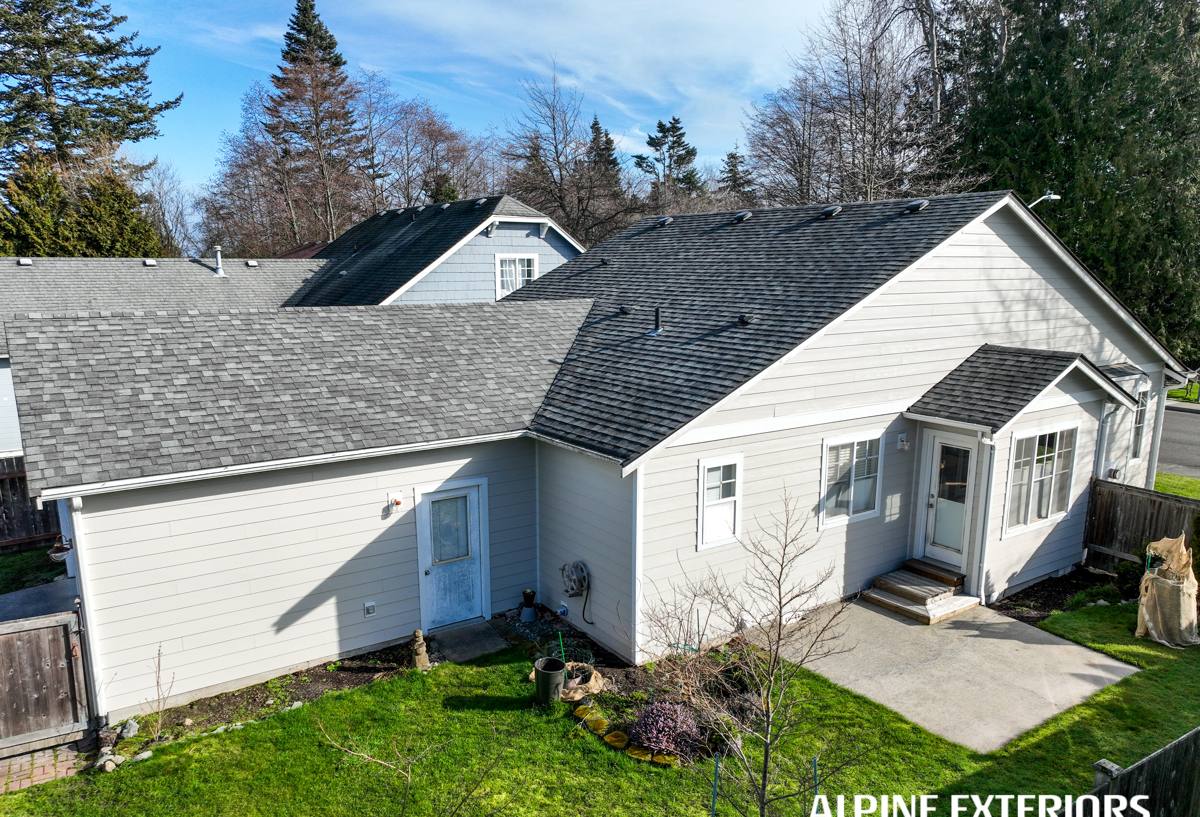
Siding That Holds Up to Salt Air and Rain
We install James Hardie fiber cement siding exclusively, and West Seattle is a good example of why. Fiber cement doesn't absorb moisture the way wood-based products can, it doesn't corrode, and it's engineered to resist the freeze-thaw and wet-dry cycling that's common in a maritime climate. Hardie's HZ5 product line in particular is formulated for regions with more moisture exposure, which fits West Seattle's conditions better than a generic siding spec.
Why We Don't Install Everything on the Market
We get asked fairly often about vinyl, LP SmartSide, and cedar, so it's worth being direct about our reasoning rather than dodging it.
- Vinyl siding is inexpensive and low-maintenance in the sense that it doesn't need painting, but it's a thin plastic product that can warp or crack in temperature swings and offers little protection in a wind-driven rain event — water tends to get behind it rather than being shed by it.
- LP SmartSide is an engineered wood product. It performs reasonably well when installation and caulking are perfect and stay perfect for decades, but it's wood at its core, and wood-based siding is more sensitive to the kind of sustained moisture exposure West Seattle homes deal with. Edge and seam integrity becomes the whole ballgame.
- Cedar and primed spruce look great when new and can be beautiful, but they require an ongoing maintenance commitment — refinishing, caulking, moisture monitoring — that most homeowners underestimate until they're a decade in.
We're not saying these products fail on every house. We're saying that after years of doing exterior work in this climate, we decided we'd rather stand behind one system we trust completely than offer several and hope each one gets installed and maintained perfectly. James Hardie's fiber cement, factory-applied ColorPlus finish, and transferable warranty gave us that confidence.
Roofing for a Moss-Heavy, Wet Climate
Roofs in West Seattle work harder than the sun exposure alone would suggest. Moss growth on shaded or north-facing slopes traps moisture against shingles, and over time that shortens the life of the roofing material and can work its way into underlayment and decking if it's not addressed. Proper ventilation, correctly lapped flashing at every roof-to-wall transition, and valleys detailed to handle real volume during heavy rain events all matter more here than they would in a drier climate.
We look at roofing and siding together rather than as separate trades, because most of the water intrusion problems we find in older West Seattle homes start at the transitions between the two — around chimneys, at roof-wall junctions, and where trim meets rooflines. Getting that flashing detail right is often more important than which shingle brand goes down.
Windows: Sealing Out Wind-Driven Rain
West Seattle's exposure to Puget Sound means wind-driven rain is a real design consideration, not a rare event. Older single-pane or early double-pane windows in the area often show it — fogging between panes, soft trim, or drafts that get noticeably worse in a winter storm. When we replace windows, the flashing and integration with the surrounding siding matters as much as the window unit itself. A good window installed with a poor moisture barrier around it will leak eventually; the window gets blamed, but the installation was the real problem.
For homes we're already re-siding, replacing windows at the same time lets us integrate flashing and water management as one continuous system rather than patching around existing openings — which is usually the better long-term outcome for a house exposed to the kind of weather West Seattle gets off the water.
Signs It May Be Time to Look at Windows
- Visible fogging or condensation between glass panes
- Drafts you can feel near the frame during storms
- Wood trim that's soft, discolored, or showing rot at the sill
- Windows that are difficult to open, close, or lock properly
- A noticeable jump in heating costs without another clear cause
Decks: Built for a Marine Environment
Outdoor living is a big part of why people love West Seattle — the water views and access are part of the draw. But a deck out here takes a beating: salt air accelerates corrosion of fasteners and hardware, and constant damp/dry cycling stresses any wood decking that isn't sealed and maintained on schedule. We build and repair decks with corrosion-resistant fastening hardware and structural details suited to a wet marine climate, and we're upfront about what different decking materials require in terms of upkeep so there aren't surprises two or three years in.
James Hardie vs. Common Alternatives at a Glance
| Factor | James Hardie Fiber Cement | Vinyl | LP SmartSide / Wood-Based | Cedar |
|---|---|---|---|---|
| Moisture resistance | Engineered for wet climates (HZ5) | Sheds water but seams can allow intrusion | Sensitive to sustained moisture | Requires diligent sealing/finishing |
| Combustibility | Non-combustible | Combustible | Combustible | Combustible |
| Maintenance | Low; factory finish | Low but can crack/warp | Moderate; seam and edge caulking upkeep | High; periodic refinishing needed |
| Typical warranty | Long-term, transferable | Varies widely by manufacturer | Varies; installation-sensitive | No manufacturer product warranty |
| Appearance longevity | Holds factory color well | Can fade, chalk over time | Depends on paint upkeep | Grays/weathers unless maintained |
No product is perfect for every budget or every homeowner's priorities, and we're happy to talk through the trade-offs honestly. But for the specific combination of salt air, driving rain, and moss that West Seattle deals with, fiber cement is the material we're willing to put our name behind.
Why a Local Crew Matters in West Seattle
West Seattle has its own quirks that a crew unfamiliar with the neighborhood can miss. Many homes sit on or near bluffs with more direct wind exposure than you'd expect a few blocks inland, which affects how siding and flashing details need to be handled at corners and eaves. Older housing stock — plenty of early-to-mid-century Craftsman and post-war homes — often has original trim details and framing quirks that need to be worked around rather than ignored. And because it's a peninsula with limited crossings to the rest of Seattle, scheduling and access planning matter more than people realize; a crew that knows the area builds that into the timeline instead of guessing.
Permitting also runs through the City of Seattle, and requirements can vary depending on the scope of work and whether a property is in a shoreline or environmentally critical area overlay, which parts of West Seattle can be. A local crew that's pulled permits in this specific jurisdiction moves faster through that process than one working from a checklist for a different city or county.
What the Process Looks Like
- Free on-site assessment of your current siding, roofing, windows, and/or decking
- Honest evaluation of what's actually failing versus what's just cosmetic wear
- A written scope and estimate with material specifics, not vague line items
- Permit handling through the City of Seattle where required
- Installation with attention to flashing, sealing, and transitions — the details that matter most in this climate
- Final walkthrough before we consider the job done
Seasonal Maintenance Checklist for West Seattle Homes
- Check north-facing and shaded siding and roof areas for moss buildup each fall and spring
- Clear gutters and downspouts before the heavy winter rain season starts
- Inspect caulking and sealant around windows and trim annually
- Look for soft or discolored trim near rooflines, window sills, and deck ledger boards
- Rinse salt residue off exterior surfaces periodically if your home has direct exposure to the Sound
- Have deck fasteners and hardware checked for corrosion every couple of years
If you're noticing moss buildup, drafty windows, a deck that's showing its age, or siding that just isn't standing up to the weather anymore, we'd be glad to take a look. We offer free, no-pressure estimates for West Seattle homeowners — come find out what your home actually needs before deciding what to do about it.