 Seattle Siding
 Siding in Fremont: Built for a Neighborhood That Sees Every Season Seattle Has
Fremont sits close to the water, wrapped between Lake Union and the ship canal, with a tree canopy that shades many of its blocks year-round. That combination is part of what makes the neighborhood feel the way it does, but it's also exactly the combination that wears down exterior siding faster than homeowners expect. Damp air off the water, shade that keeps things from drying out, and King County's long gray season all add up to a tough environment for whatever material is on the outside of your house. We've worked on homes throughout Fremont and the surrounding Seattle neighborhoods long enough to know which products hold up here and which ones just look good on the day they're installed.
This page is about what Fremont homes actually face, how we approach siding, roofing, window, and deck work for this specific part of the city, and why we standardized on one siding system instead of offering the usual grab bag of options.
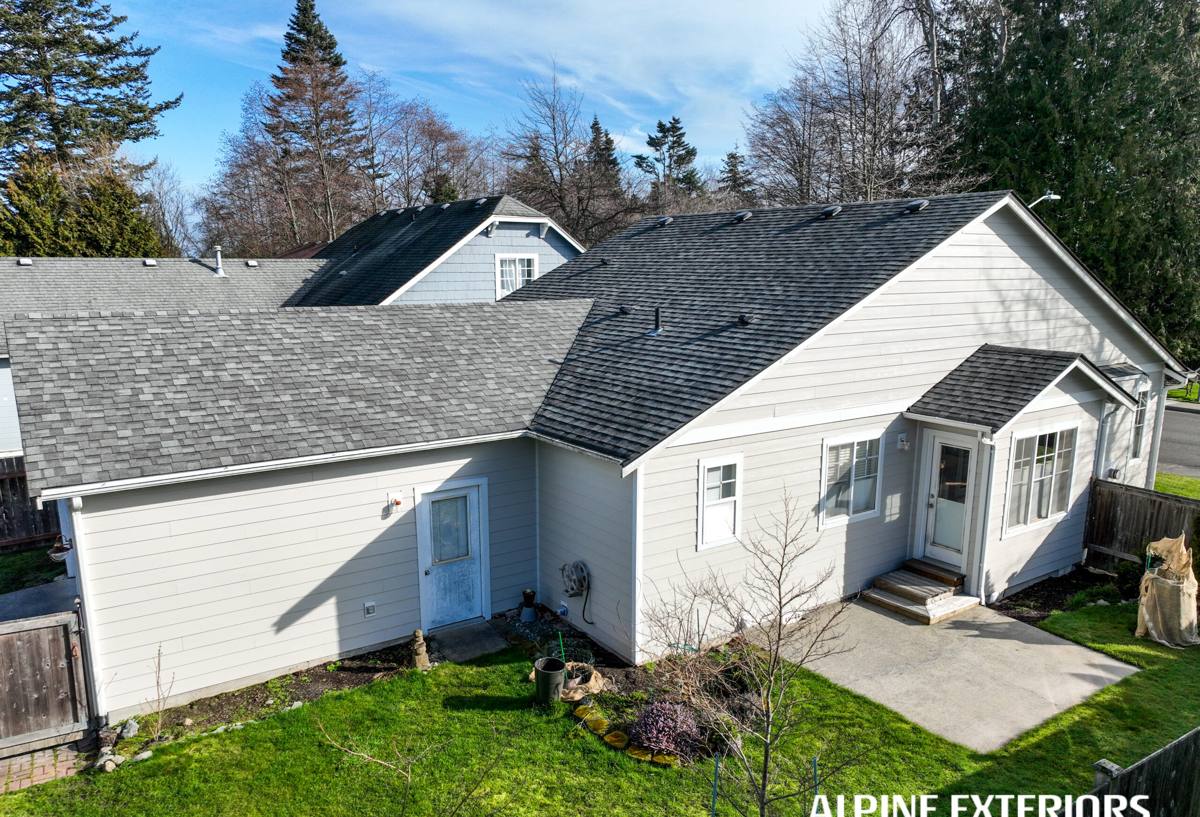
What Fremont's Climate Does to a House Over Time
Salt Air and Moisture Off the Water
Being close to Lake Union and the ship canal means Fremont gets a steady dose of moisture-laden air, and homes nearer the water pick up a mild salt element in that air as well. Over years, that moisture works into seams, fastener points, and any spot where paint or factory finish has started to fail. Materials that absorb water — even a little, even slowly — start to swell, cup, or delaminate long before they look obviously "bad" from the street.
Driving Rain
Seattle rain isn't usually a downpour — it's a long, low-intensity soak that can come sideways in a windstorm. That kind of driving rain finds every gap in flashing, every hairline crack in old paint, and every spot where siding wasn't lapped correctly. It's less dramatic than a hard storm but arguably harder on a house, because it has more days per year to find the weak points.
The Long Moss Season
Shade, moisture, and mild temperatures are ideal for moss and algae growth, and Fremont's tree cover means a lot of homes here deal with it on siding, trim, roofing, and decking for a good chunk of the year. Moss holds moisture against the surface it's growing on, which accelerates rot in wood-based products and can stain or degrade paint finishes on lower-grade siding. A siding product's ability to shed moisture and resist that kind of growth matters more here than in drier parts of the state.
Why We Only Install James Hardie Fiber Cement
We used to install a wider range of siding products. We don't anymore, and the decision came down to what we were seeing on service calls — not marketing. Fiber cement, specifically James Hardie's engineered product line, handles moisture, freeze-thaw cycling, and the Puget Sound region's specific climate stresses better than the alternatives we used to offer.
What We No Longer Recommend, and Why
- Vinyl siding: Inexpensive and low-maintenance in mild, dry climates, but it can warp or crack in temperature swings and doesn't hold up well against long-term moisture exposure at seams and edges.
- Wood-based composites (LP SmartSide, similar products): Engineered wood is still wood at its core, meaning it's vulnerable to moisture intrusion at cut edges and joints if caulking and paint aren't maintained on a strict schedule — a real burden in a climate with as much rain as ours.
- Primed spruce or raw cedar: Beautiful when new, but both require diligent, ongoing maintenance (repainting, resealing, moss treatment) to avoid rot in a wet marine climate. Skip a maintenance cycle or two and the damage can be expensive to reverse.
- Other fiber cement brands (Cemplank, Allura): These are legitimate fiber cement products, but we've standardized on one manufacturer so we can guarantee consistent factory finish quality, warranty terms, and installation specs across every job we do.
What James Hardie Gets Right for This Climate
James Hardie fiber cement is non-combustible, dimensionally stable, and engineered specifically for regional climate conditions through its HZ5 product line, which is built for the Pacific Northwest's moisture and temperature profile. The ColorPlus factory finish process bakes color onto the board under controlled conditions, which resists fading and chipping far better than field-applied paint — a real advantage in a neighborhood where sun exposure varies block to block under a tree canopy. It also carries a strong, transferable warranty, which matters if you ever sell the home.
Siding Options Compared for Fremont Homes
| Factor | James Hardie Fiber Cement | Vinyl | Wood / Engineered Wood |
|---|---|---|---|
| Moisture resistance | Excellent — engineered for wet climates | Moderate — vulnerable at seams | Poor to moderate — needs ongoing sealing |
| Moss/algae resistance | Good, especially with factory finish | Fair, can trap moisture behind panels | Poor — moss accelerates rot |
| Maintenance | Low — occasional wash and caulk check | Low but limited repair options | High — repaint/reseal cycle required |
| Fire resistance | Non-combustible | Melts/deforms under heat | Combustible |
| Typical lifespan (installed to spec) | 30+ years | 20-30 years | 10-20 years without diligent upkeep |
How We Approach a Fremont Siding Project
Assessment First
Every job starts with a real look at what's happening behind the current siding, not just what's visible from the sidewalk. In a moisture-heavy climate like ours, hidden rot at window trim, corners, and lower wall sections is common on older homes, and we won't quote a job without accounting for what repair work might be needed underneath.
Installation to Manufacturer Spec
James Hardie siding performs as advertised only when it's installed correctly — proper clearances, fastener patterns, flashing details, and caulking at penetrations. A lot of the "fiber cement doesn't hold up" stories we hear trace back to installation shortcuts, not the product itself. We install to the manufacturer's specification because that's what protects the warranty and the house.
Beyond Siding: Roofing, Windows, and Decks
Siding doesn't work in isolation. A roof that's shedding granules or has failing flashing will send water down behind even well-installed siding. Old windows leak air and sometimes water at the frame. Decks in a climate like Fremont's face the same moss and moisture pressure as siding does. We handle all four because a house's exterior envelope really is one connected system, and we'd rather flag a related issue up front than have a homeowner deal with it as a surprise later.
Why a Local Crew Matters in a Neighborhood Like Fremont
Fremont has a mix of older bungalows and Craftsman-style homes alongside newer construction, often on lots with mature trees and some grade changes on the hillier streets. A crew that works around King County regularly knows how to plan access on tighter urban lots, understands which permit and inspection processes apply within Seattle, and has a feel for how a specific block's sun and shade pattern will affect a siding color choice or a moss problem down the line. That local familiarity saves time and avoids surprises during the project.
Signs Your Siding Needs Attention
- Visible moss or algae staining that returns quickly after cleaning
- Soft spots or give when you press on siding near the bottom of walls or below windows
- Peeling, bubbling, or chalky paint that keeps needing touch-ups
- Visible gaps or separation at seams, corners, or trim boards
- Warping, cupping, or panels that no longer sit flat against the wall
- A musty smell or moisture staining on interior walls that back up to exterior siding
What Affects Cost for a Fremont Siding Project
Every home is different, but a few factors consistently move the price on siding jobs in this area: the amount of hidden repair work needed once old siding comes off, the home's overall square footage and number of stories, complexity of the roofline and trim detail, and whether windows or other exterior elements are being addressed at the same time. We provide a detailed, written estimate after an in-person assessment rather than a ballpark number over the phone, because guessing on a job like this rarely serves the homeowner well.
Get a Straightforward Estimate
If your Fremont home is showing wear from moss, moisture, or age, we're glad to come take a look and give you an honest read on what's going on and what it would take to fix it right. There's no pressure and no obligation — just a clear estimate from a crew that knows this climate and installs one siding system because we believe in it. Use the form below to request your free estimate.