 Seattle Siding
 Siding on Queen Anne Hill: A Different Set of Problems
Queen Anne sits higher and more exposed than most of Seattle, and that changes what a house needs from its exterior. Homes near the top of the hill catch wind off Puget Sound and Elliott Bay that lower, more sheltered neighborhoods never see. Homes lower on the slopes, especially on the north and west-facing sides, sit in shade longer through the winter and hold moisture against their siding far longer than a south-facing wall a few blocks away. Add in Seattle's marine air and the long, wet stretch from October through May, and you get an exterior that's working harder than it looks like it should be.
We've sided and repaired enough homes on this hill to know the difference a block or two makes. A house on the west slope with open bay exposure ages differently than one tucked into a courtyard on the east side. Our estimates account for that — we look at your specific exposure, not just a generic "Seattle" checklist.
What Seattle's Climate Actually Does to Exterior Siding
Salt Air and Driving Rain
Homes with any real elevation or view exposure on Queen Anne pick up salt-laden air off the Sound. Combined with wind-driven rain that hits siding at an angle instead of falling straight down, this pushes moisture into seams, butt joints, and anywhere caulking or flashing has started to fail. Materials that swell, delaminate, or absorb water at the edges lose ground fastest under this kind of repeated wetting and drying.
The Long Moss Season
Seattle's moss season isn't really a season — on shaded, north-facing walls it can run nearly year-round. Moss and algae hold moisture against the siding surface, which accelerates rot in wood-based products and can stain or degrade cheaper coatings. Homes under mature tree canopy, common throughout Queen Anne's older residential blocks, see this the worst.
Hillside Drainage and Foundation Movement
Steep lots mean water moves fast during heavy rain, and older homes on the hill sometimes show slight settling or shifting over decades. That movement stresses siding seams and trim joints in ways flat-lot homes don't experience. Good installation — proper flashing, expansion allowance, correct fastening — matters more here than in a lot of the city.
Why a Local Crew Matters More on a Hill Like This
Queen Anne's housing stock spans classic craftsman bungalows, early-1900s foundation homes, Tudor-influenced houses, and a good number of mid-century and newer builds mixed in on the steeper parcels. Each era of construction handles siding attachment, trim detailing, and weather barriers a little differently, and a crew that only works from a generic spec sheet will miss those differences.
Access is also a real factor. Steep driveways, narrow lots, and limited street parking on parts of the hill mean staging materials and equipment takes planning that a crew unfamiliar with the neighborhood won't have thought through before showing up. We build that into scheduling and quoting up front so there are no surprises mid-project.
Seattle and King County permitting requirements also apply to most siding replacement work, particularly when it involves water-resistive barrier replacement or structural sheathing repair. A crew that works this area regularly knows the process and doesn't turn it into a delay for you.
Full Exterior Services — Not Just Siding
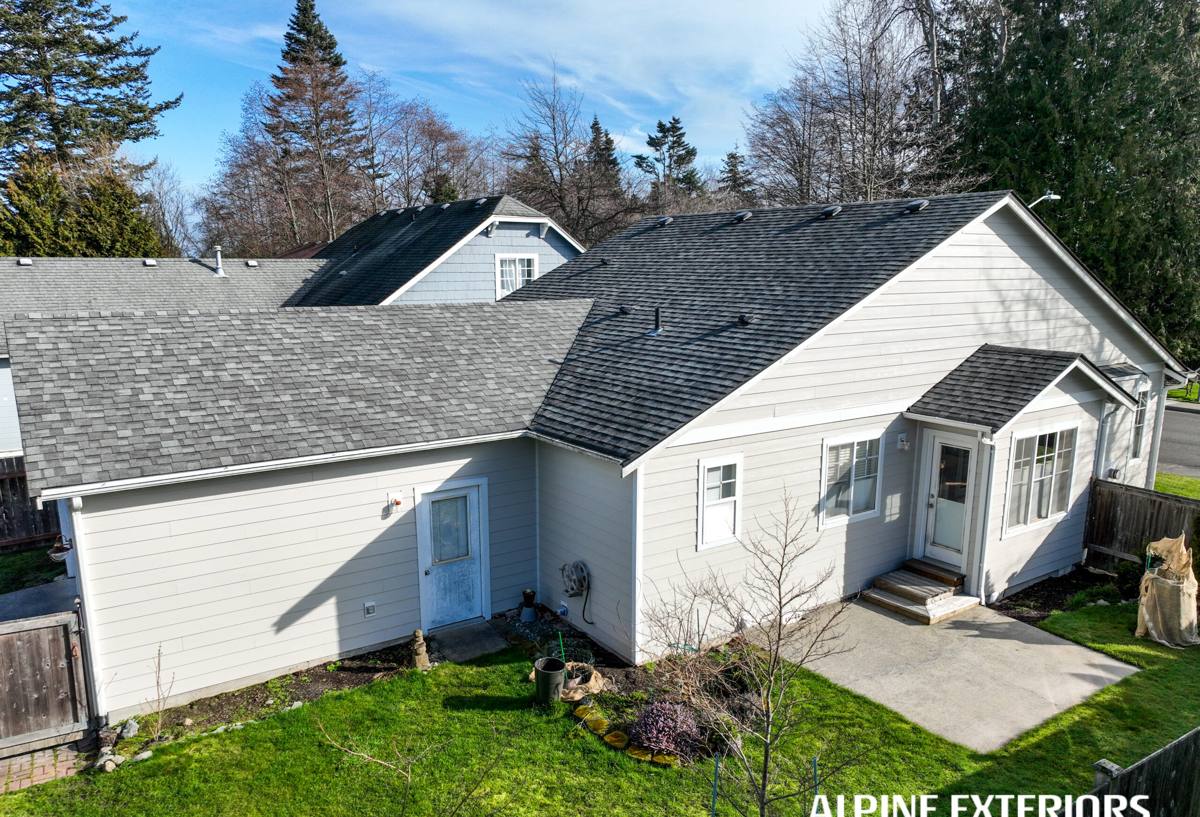
Siding doesn't work in isolation. It ties into your roofline, your window flashing, and often your deck or porch structure. We handle all four so the whole exterior envelope gets treated as one system instead of four separate contractors pointing fingers at each other when something leaks.
- Siding — James Hardie fiber cement installation and replacement, tailored to your home's exposure
- Roofing — replacement and repair, coordinated with siding and flashing work
- Windows — replacement with correct flashing integration into new or existing siding
- Decks — built and repaired to handle Seattle's wet-dry cycle and hillside grading
Why We Only Install James Hardie Fiber Cement
We get asked why we don't offer vinyl, LP SmartSide, cedar, or other fiber cement brands. The honest answer is that we standardized on one product because we got tired of callbacks tied to material problems that had nothing to do with our installation quality.
Vinyl is inexpensive and low-maintenance in mild climates, but it's a thin, flexible material that can warp under heat and crack in cold snaps, and it doesn't hold up as well against Queen Anne's wind-driven rain seams. Cedar and primed spruce look beautiful when new, but they demand a repainting and caulking schedule that most homeowners can't keep up with in a climate this wet — and once moisture gets behind an unmaintained wood panel, rot moves fast. LP SmartSide is a wood-strand product with a real factory treatment, but it's still an engineered wood product at its core, meaning cut edges and any moisture intrusion are more failure-prone than fiber cement. Other fiber cement brands exist, including Cemplank and Allura, and they're chemically similar to Hardie — but Hardie's ColorPlus finish, climate-specific engineering, and installer network is what we've had the most consistent results with over years of Pacific Northwest installs.
None of this means those products are junk. It means we decided we'd rather install one product exceptionally well than spread ourselves across five products we couldn't stand fully behind in this specific climate.
Material Comparison at a Glance
| Material | Moisture Behavior in Wet Climates | Maintenance Burden | Typical Lifespan |
|---|---|---|---|
| James Hardie Fiber Cement | Engineered for wet climates, resists swelling and rot | Low — factory finish, occasional caulk check | 30+ years with proper install |
| Vinyl | Doesn't rot, but can warp or crack at seams under stress | Low, but limited repair options if damaged | 20–30 years |
| Cedar / Primed Wood | Absorbs moisture, vulnerable to rot without upkeep | High — regular painting and sealing required | 15–25 years with diligent maintenance |
| LP SmartSide | Treated engineered wood, sensitive at cut edges and joints | Moderate — coating maintenance over time | 20–30 years |
James Hardie Products for This Climate
Hardie's HZ5 product line is engineered specifically for climates with freeze-thaw cycles and sustained moisture exposure, which fits western Washington's wet, mild winters well. The ColorPlus factory finish is baked on under controlled conditions rather than field-painted, which matters in a region where extended rainy stretches make it hard to get ideal site-painting conditions in the first place. It also comes with a stronger fade and finish warranty than most field-applied paint jobs can match, and it's transferable if you sell the home — a detail buyers on Queen Anne's active resale market often ask about directly.
Fiber cement is also non-combustible, which matters more each year as wildfire smoke and regional fire risk become bigger considerations even in a wet coastal city like Seattle.
How We Approach Installation on Hillside Lots
Correct installation is what actually determines how long siding lasts — the product only performs as well as the install behind it. On Queen Anne's steeper parcels, that means:
- Careful staging and material lifting plans for driveways and lots with limited flat access
- Full inspection of the water-resistive barrier and sheathing before any new siding goes on, since hidden rot from prior wear is common on older hillside homes
- Correct flashing at every window, door, and roofline transition — this is where most siding failures actually start, not in the field of the wall
- Proper fastening patterns and expansion gaps suited to Hardie's engineering specs, not generic fiber cement guidance
- Coordination with roofing and gutter work where drainage above the siding line affects how water sheds off the wall below
What Drives Siding Project Cost in This Area
| Factor | Why It Matters Here |
|---|---|
| Home size and number of stories | More wall area and height affects material and labor time, especially with hillside elevation changes |
| Existing siding removal | Tear-off of old wood or vinyl adds labor and disposal, plus potential sheathing repair once it's exposed |
| Site access | Steep driveways or narrow lots common on the hill can add staging time |
| Trim and architectural detail | Craftsman and older homes often have more trim work, window casings, and detailing than newer builds |
| Moisture or rot repair | Long-shaded, moss-prone walls sometimes reveal sheathing damage once old siding comes off |
Signs Your Queen Anne Home May Need New Siding
- Persistent moss or algae growth that keeps returning after cleaning, especially on north or shaded walls
- Soft or spongy spots when you press on wood siding, particularly near the bottom courses
- Paint that's peeling, bubbling, or failing faster than a normal repaint cycle would suggest
- Visible warping, cracking, or gapping at siding seams and corners
- Rising energy bills that may point to a compromised weather barrier behind the siding
- Water stains or discoloration on interior walls near exterior corners
If any of that sounds familiar, or you're just planning ahead for a home on the hill, we're happy to take a look and walk you through what we'd actually recommend — no pressure, no generic sales pitch. Use the form below to request a free estimate and we'll get back to you with straight answers about your home's exterior.