 Seattle Siding
 Beacon Hill's Climate: What Your Siding Is Actually Up Against
Beacon Hill sits on one of Seattle's higher ridgelines, and that elevation cuts both ways. Homes up here often get better airflow and views than houses down in the valleys, but they also catch more of what King County's weather throws sideways. Wind-driven rain off Puget Sound doesn't fall straight down on a ridge — it hits siding at an angle, working into seams, trim joints, and anywhere a wall assembly wasn't detailed correctly the first time. Add in the faint salt content that rides in on marine air from the Sound, and you've got a slow, steady corrosive load on top of the moisture problem.
Then there's moss. Seattle's damp season runs long, and Beacon Hill's tree cover in older, established blocks means plenty of shaded, slow-to-dry wall sections — north faces, areas tucked under eaves, spots behind shrubs that never quite get direct sun. Moss and algae don't just look bad; they hold moisture against the siding surface for weeks at a time, which is exactly the condition that rots wood-based products and stresses paint film on anything not built to handle it.
None of this is unique to one street or one house. It's the baseline condition for exterior work anywhere on this hill, and it's why the products and details that work fine in a drier climate often underperform here.
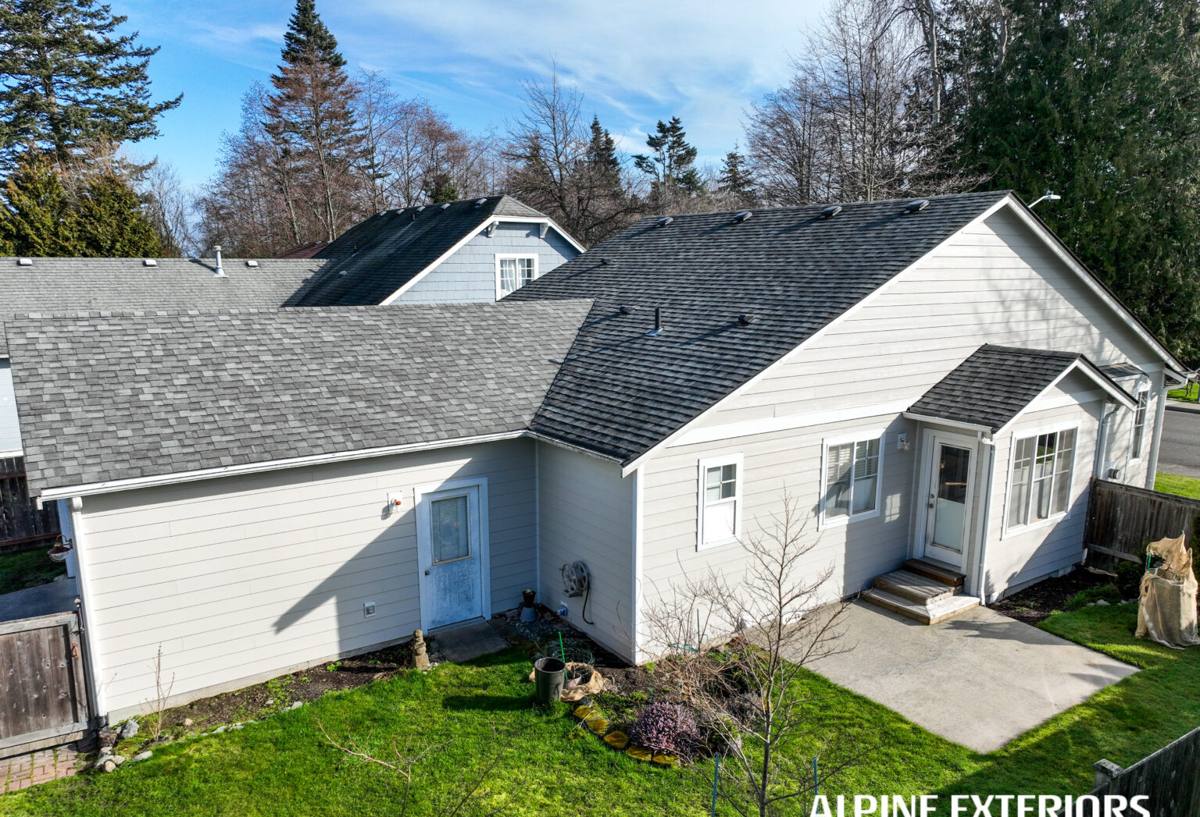
The Mix of Homes on Beacon Hill
Older Bungalows and Craftsman-Era Construction
A lot of Beacon Hill's housing stock dates back to the early-to-mid 20th century — modest bungalows and craftsman-style homes on smaller lots, many with the original wood siding still underneath one or more layers of paint or a later re-side. These homes have usually seen at least one round of exterior work already, and it's common to find moisture damage hiding behind old siding that looked fine from the curb.
Newer and Infill Construction
Alongside the older stock, Beacon Hill has a fair amount of newer construction — infill builds and updated homes with more contemporary massing. These often came with vinyl or engineered wood siding from the builder, chosen for upfront cost rather than long-term performance in this climate. On both older and newer homes, we see the same failure points: unflashed trim, caulk used as a substitute for proper detailing, and siding installed tight to grade with no drainage gap.
Why We Only Install James Hardie Fiber Cement
We made a decision a while back to stop installing several common siding products — vinyl, LP SmartSide, primed spruce, cedar, and other fiber cement brands like Cemplank and Allura — even though all of them have legitimate uses and loyal installers. We install James Hardie exclusively, and on a hill that deals with driving rain and a long moss season, the reasoning is straightforward.
- Non-combustible core: Hardie's fiber cement board doesn't contribute fuel to a fire the way wood-based products can, which matters in dense, older neighborhoods with close lot lines.
- Climate-engineered HZ product lines: Hardie makes region-specific formulations (HZ5, HZ10) tuned for moisture and freeze-thaw exposure rather than a single generic board sold everywhere.
- ColorPlus factory finish: a baked-on finish applied under controlled conditions holds color and resists the chalking and fading that field-applied paint struggles with under years of Puget Sound damp.
- Dimensional stability: fiber cement doesn't swell, cup, or delaminate the way engineered wood products can when they take on repeated moisture, which is the exact stress pattern this climate creates.
- Warranty structure: a strong, transferable manufacturer warranty that holds up over a normal ownership timeline, backed by a product with a long installed track record in wet coastal climates.
We're not going to tell you vinyl or engineered wood siding is worthless — both have their place, and plenty of houses around the country wear them fine. But for the specific combination of driving rain, marine moisture, and moss pressure that Beacon Hill sees, we settled on one product system we can stand behind for the life of the installation, and that's what goes on every house we side.
What a Siding Job Actually Looks Like Here
The board itself is only part of the equation. On a hill exposed to wind-driven rain, the water management behind the siding matters as much as the material in front of it. Our process on a Beacon Hill home typically includes:
- Removing the old siding and inspecting the sheathing underneath for rot, soft spots, or prior water damage before anything new goes up.
- Repairing or replacing any compromised sheathing — this is where hidden problems from years of moisture intrusion usually surface.
- Installing a weather-resistant barrier with correctly lapped and taped seams, so water that gets past the siding has a clear path down and out.
- Flashing every penetration, window, door, and horizontal trim transition — the details that generic installs tend to skip.
- Installing the Hardie boards to manufacturer spec, including proper fastening, clearances at grade, and factory-caulked or backer-rod joints rather than surface caulk as a patch.
Skipping steps in that sequence is how a house ends up with siding that looks new for a couple of years and then starts showing problems right where the details were shortcut.
Beyond Siding: Roofing, Windows, and Decks
Siding doesn't work in isolation — it's one piece of the building envelope. We also handle roofing, windows, and decks, because on a hillside home in this climate, those systems interact. A roof that's shedding water improperly can dump extra volume onto a wall section. Aging windows without proper flashing can leak into the wall cavity right next to brand-new siding and undo the benefit of the re-side. Decks attached to the house create their own set of ledger and flashing details that need to tie into the siding correctly, not just butt up against it.
When we look at a Beacon Hill home for a siding estimate, we're generally looking at the whole envelope — roof condition, window seals, deck attachment points — because a siding-only fix on a house with a leaking roof or failed window flashing is a short-term fix at best.
What Affects the Cost of a Siding Project
Every house is different, but the main cost drivers on a Beacon Hill project tend to fall into a few categories:
| Factor | Why It Matters |
|---|---|
| Existing siding removal and disposal | Multiple old layers or hazardous materials (like old paint) add labor and disposal cost |
| Sheathing repair | Hidden rot found after tear-off requires replacement before new siding goes on |
| House complexity | Steep rooflines, dormers, and multiple trim details increase labor time on a hillside lot |
| Access and lot conditions | Narrow lots, retaining walls, and slope can affect staging and scaffolding needs |
| Board profile and finish selection | Lap width, shingle-style panels, and trim choices affect material cost |
| Scope beyond siding | Bundling window, trim, or deck work into the same project can improve overall efficiency |
We give real numbers during an in-person estimate rather than guessing over the phone — every one of these factors changes with the specific house.
Living With Moss Season: A Practical Maintenance Checklist
Even the right siding product benefits from a little seasonal attention on a hill with heavy tree cover and long damp stretches. A short list that goes a long way:
- Keep gutters clear so water isn't overflowing directly down the wall face during heavy rain events.
- Trim back shrubs and branches touching the siding — contact points stay wet longer and encourage moss growth.
- Rinse shaded, north-facing walls occasionally where moss and algae tend to establish first.
- Check caulking at trim joints and penetrations annually; failed caulk is one of the most common entry points for moisture.
- Walk the foundation line after major storms looking for splash-back staining, which can signal grading or drainage issues near the siding's bottom edge.
Why a Local Crew Matters on This Hill
Beacon Hill's mix of older housing stock, hillside lots, and marine-influenced weather isn't the same set of conditions you'd design for in a drier inland climate. A crew that works across King County regularly sees how these details actually fail over time here — not in a manual, but on real houses a few years after installation. That's the difference between a siding job that's technically finished and one that's actually built for what this neighborhood's weather does to a house year after year.
If you're thinking about siding, roofing, windows, or decks for a Beacon Hill home, we're happy to take a look and walk you through what we're seeing on your specific house. There's no pressure and no cost to get a straight answer — just fill out the form below for a free estimate.