 Seattle Siding
 Siding in Green Lake, Seattle
Green Lake is one of Seattle's most walkable, tree-shaded neighborhoods, and that's part of the charm — mature trees, a lake microclimate, and a mix of older bungalows and newer infill homes packed close together. It's also exactly the kind of setting that wears exterior siding down faster than homeowners expect. Between the lake's added humidity, heavy tree cover that shades siding and slows drying, and Seattle's long stretch of driving rain each fall and winter, Green Lake homes face a steady, cumulative kind of weather stress rather than one big storm event. We've worked on homes throughout this part of King County and see the same patterns show up again and again: moss creeping up north-facing walls, paint failing years ahead of schedule, and trim that's soft to the touch before anyone notices a problem from the street.
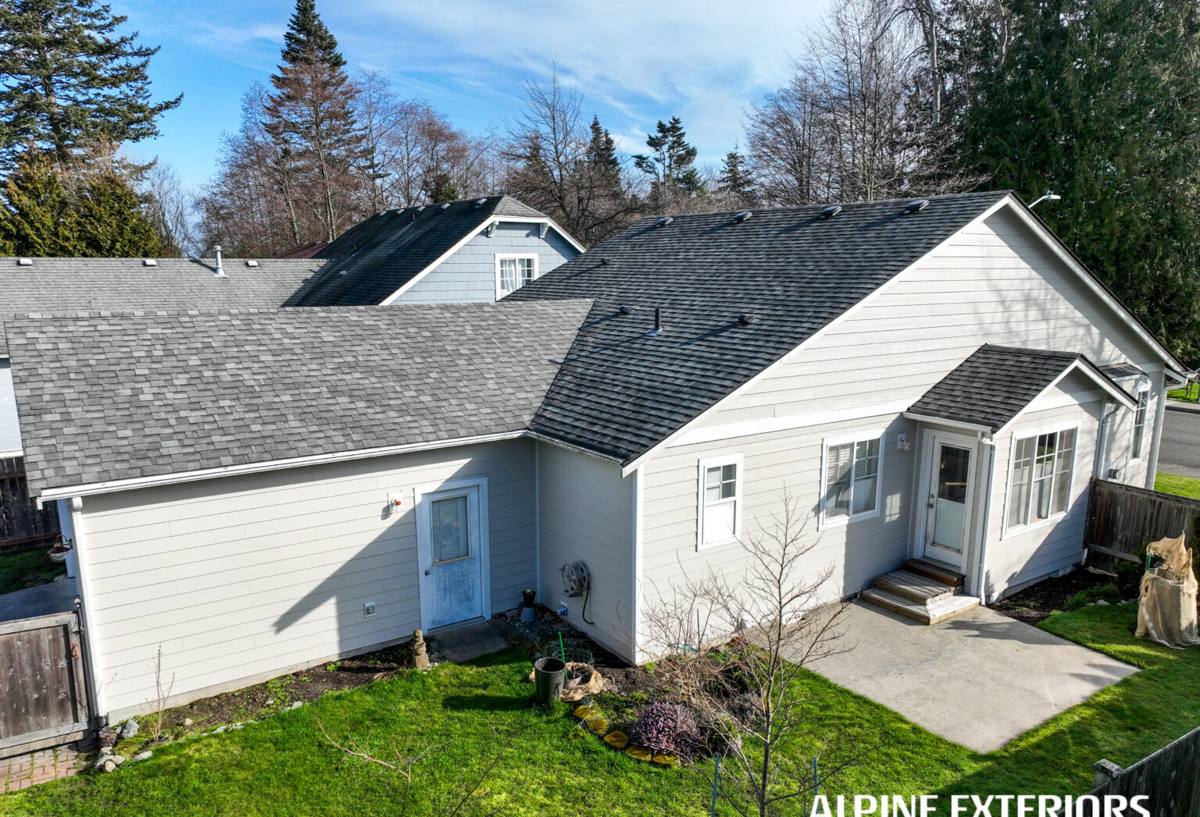
What Green Lake's Climate Does to Siding
Shade, Moisture, and Moss
The lake itself adds humidity to the immediate area, and the neighborhood's tree canopy — a big part of what makes Green Lake desirable — also means siding stays wet longer after rain than it would on a more exposed lot. Moss and algae need exactly that combination: shade plus moisture plus time. Once moss takes hold on a wall, it holds water against the surface almost permanently, which accelerates rot in wood-based products and breaks down paint film on almost anything.
Driving Rain and Wind-Driven Wet Walls
Seattle's rain doesn't usually come straight down — it comes sideways, pushed by wind off Puget Sound and the lake itself. That matters because siding systems are only as good as their weakest lap, seam, or piece of trim. Wind-driven rain finds gaps that vertical rain never would, which is why installation quality and flashing details matter as much as the siding material itself.
Freeze-Thaw Cycling, Occasionally
Green Lake doesn't see extreme cold often, but it does get enough freeze-thaw swings each winter to matter over a 15- or 20-year span. Any moisture that's already trapped in siding, trim, or fascia gets a small mechanical push every time it freezes and expands, which is one more reason chronically damp siding fails faster here than in a drier climate.
Why We Standardized on James Hardie
We install James Hardie fiber cement siding exclusively. We don't install vinyl, LP SmartSide, Cemplank, Allura, primed spruce, or cedar, and that's a deliberate standard, not a limitation of what we're capable of installing. After years of exterior work around Seattle and King County, we've seen which products hold up to this specific climate — persistent moisture, shade, and moss pressure — and which ones need more maintenance, more caulking, and more repair calls than homeowners are usually told upfront.
What Makes Hardie Different Here
- Non-combustible core: Hardie's fiber cement composition doesn't burn, which matters in a region where wildfire smoke seasons have become a normal part of Pacific Northwest summers.
- Engineered for wet climates: Hardie's HZ5 product line is specifically formulated for climates like ours, with moisture and freeze-thaw performance built into the product rather than added on.
- Factory-applied ColorPlus finish: the color and protective topcoat are baked on at the factory under controlled conditions, which holds up better against Green Lake's shade-and-moisture combination than field-applied paint on wood-based siding.
- Doesn't feed moss and rot the way wood fiber can: fiber cement doesn't provide organic material for moss and mildew to root into the way wood or wood-composite substrates can over time.
- Strong transferable warranty: a real, manufacturer-backed warranty that transfers to a new owner if you sell — a meaningful detail in a neighborhood where homes turn over often and resale condition matters.
How We Approach a Green Lake Siding Project
Inspection First
Every project starts with a walk-around of the whole exterior, not just the areas you called about. In Green Lake we pay particular attention to north- and west-facing walls, anywhere trees overhang the roofline, and areas around window and door trim where water tends to collect. We're checking for soft spots, moss buildup, failed caulking, and signs of moisture that's already gotten behind the current siding.
Addressing What's Underneath
Siding failures in this climate are rarely just cosmetic. If we find water intrusion, we address the sheathing and flashing underneath before anything new goes up — installing a new layer of siding over a wet or compromised wall just locks the problem in.
Installation to Spec
James Hardie siding performs the way it's rated to perform only when it's installed to the manufacturer's specifications — correct fastener placement, proper clearances, and flashing details done right the first time. That's the difference between a wall that sheds Seattle's driving rain for decades and one that develops the same moisture problems within a few years.
Pre-Project Checklist for Green Lake Homeowners
- Note which walls stay damp or shaded longest after a rain — that's where problems usually start
- Check for moss or dark streaking on siding, especially near the roofline and under tree cover
- Look at trim and window sills for softness or paint that's bubbling and peeling
- Ask any contractor for their manufacturer certification, not just general experience
- Get a written scope that covers moisture inspection, not just the visible siding swap
Comparing Siding Options for a Green Lake Home
| Factor | James Hardie Fiber Cement | Vinyl | Wood / Primed Spruce |
|---|---|---|---|
| Moss & moisture resistance | Strong — engineered for wet climates | Resists rot but seams can trap moisture | Vulnerable, especially in shaded areas |
| Fire resistance | Non-combustible | Combustible, can melt/warp | Combustible |
| Finish durability | Factory-baked ColorPlus finish | Color molded in, can fade | Needs repainting on a cycle |
| Maintenance | Low — occasional wash and caulk check | Low but prone to cracking with age | Higher — regular repainting and rot checks |
| Typical lifespan (installed to spec) | 30+ years | 20-30 years | 10-20 years depending on exposure |
Roofing, Windows, and Decks While the Exterior Is Open
Siding work is a natural point to look at the rest of a home's exterior envelope. If your roof is nearing the end of its service life, replacing siding and roofing in the same project can simplify scheduling and flashing details where the two systems meet. The same goes for windows — old, leaky, or single-pane windows are one of the biggest sources of the drafts and moisture complaints we hear about in older Green Lake homes, and it's far more efficient to address trim and flashing around windows once rather than twice. Decks in this climate face their own version of the same moss-and-moisture problem siding does, particularly on shaded, tree-covered lots near the lake. We handle all four — siding, roofing, windows, and decks — so a homeowner dealing with multiple aging systems can get one coordinated plan instead of three or four separate contractors working around each other.
Cost Factors for a Green Lake Siding Project
| Factor | Why It Matters Here |
|---|---|
| Home size and wall complexity | More corners, gables, and trim details mean more labor and material |
| Extent of hidden moisture damage | Rot repair to sheathing or framing adds cost but is essential before new siding goes on |
| Access and tree cover | Overhanging trees and tight lots common in Green Lake can affect staging and cleanup |
| Trim and window integration | Coordinating siding with window or trim replacement changes scope and sequencing |
| Product line and color | Hardie's HZ5 line and ColorPlus finish options vary in price by profile and color |
We provide a written, itemized estimate after the inspection rather than a rough number over the phone — every Green Lake property has its own combination of shade, tree cover, and existing wall condition, and that's what actually drives cost.
Why a Local Crew Matters
Green Lake's older housing stock, dense tree cover, and lake-adjacent moisture load mean an exterior contractor needs to know what they're looking at before they price a job. A crew that works across King County regularly sees how differently siding ages on a shaded Green Lake lot versus a sun-exposed one a few miles away, and that experience shows up in the inspection, the material choices, and the installation details that keep water out for good. We're not visiting from out of the area for one job — this is the climate we build every project around.
If you're noticing moss buildup, peeling paint, or soft spots on your home's exterior, we're happy to take a look. Reach out for a free, no-pressure estimate — we'll walk the property, tell you honestly what we find, and lay out your options in plain terms.