 Seattle Siding
 Asphalt Shingle Roofing Built for Beacon Hill's Weather
Beacon Hill sits on one of Seattle's higher ridgelines, which means homes here catch more wind-driven rain off the Puget Sound than properties tucked into lower, more sheltered parts of King County. Add in the tree canopy that shades many of the hill's older streets, and you get the two conditions that wear out a roof fastest: near-constant moisture and long stretches without direct sun to dry things out. That combination is exactly why asphalt shingle roofing needs to be installed differently here than it would be in a drier climate, and it's why so many of the roofs we get called out to inspect on the hill are failing for the same handful of preventable reasons.
This page covers what an asphalt shingle roof actually needs to hold up on Beacon Hill, what a correct installation or repair looks like, and how we approach the job when we're working in this specific neighborhood.
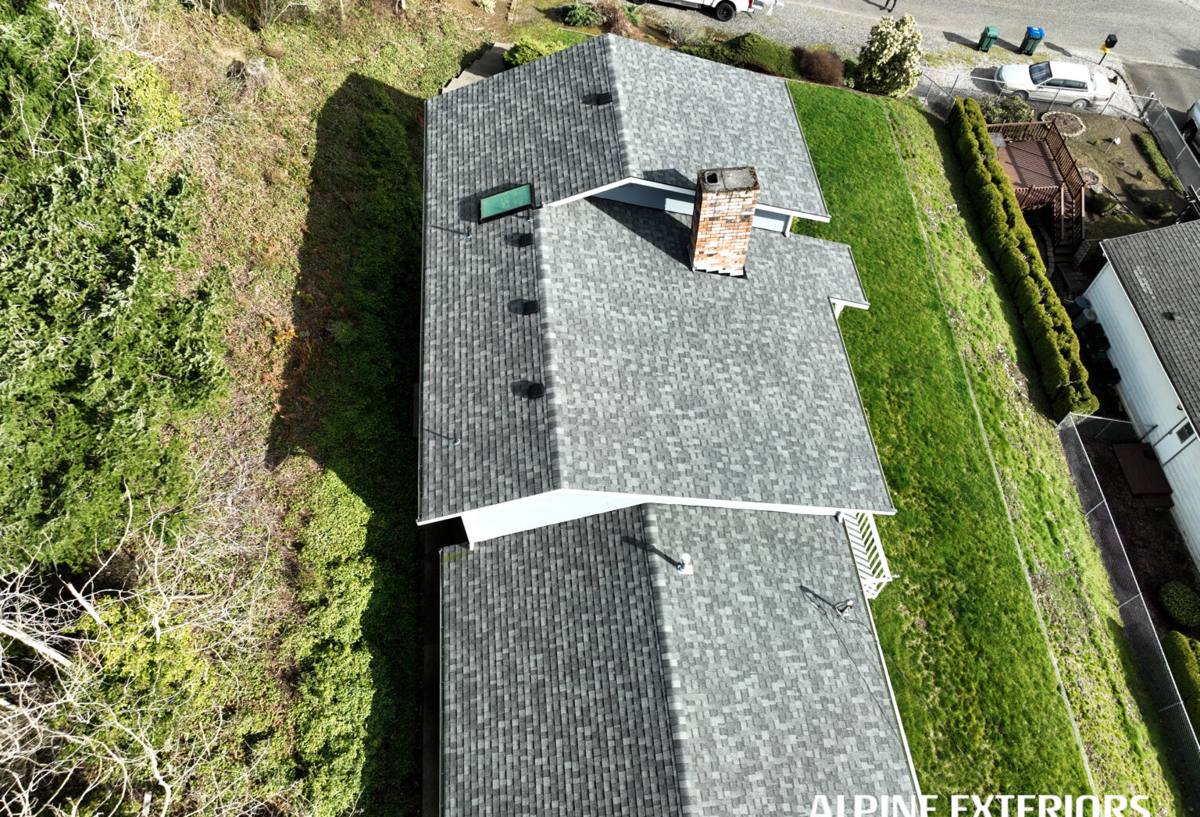
Why Beacon Hill Roofs Wear Differently
Moss and Organic Growth
Shaded slopes and north-facing roof planes on the hill stay damp far longer after a storm than roofs in open, sunnier spots. That extended dampness is exactly what moss, lichen, and algae need to take hold. Once moss roots into a shingle's surface, it lifts the mat, traps moisture underneath, and accelerates granule loss — which is the beginning of the end for an asphalt shingle. A roof that's shedding granules early usually isn't a manufacturing defect; it's moss that's been sitting there for a season or two longer than it should have.
Salt Air and Wind-Driven Rain
Beacon Hill's elevation and proximity to the Sound expose it to salt-laden air and rain that comes in at an angle rather than straight down. Wind-driven rain finds every gap in flashing, every under-nailed shingle, and every spot where an underlayment lap wasn't sealed correctly. Salt air also accelerates corrosion on exposed metal fasteners and flashing over time, which is one more reason we don't cut corners on the metal components of a shingle roof out here.
Long Wet Seasons
Western Washington's roofing season isn't just "rainy months" — for much of the year, roofs on Beacon Hill are damp more often than they're fully dry. That changes how underlayment, ventilation, and edge details need to be handled, because a roof that's designed for occasional rain and long dry spells behaves very differently than one that has to shed moisture almost continuously.
What a Correct Asphalt Shingle Job Involves Here
A shingle roof is only as good as the layers underneath it. On Beacon Hill specifically, we pay close attention to a few details that matter more here than they would in a drier climate:
- Underlayment coverage: Full synthetic underlayment with properly sealed laps, not just felt tacked down as an afterthought — this is the roof's real waterproofing layer.
- Ice and water barrier at vulnerable points: Extra protection at eaves, valleys, and around penetrations where wind-driven rain is most likely to work its way sideways or backward under shingles.
- Ventilation balance: Matched intake and exhaust ventilation so moist attic air doesn't condense against the underside of the roof deck, which rots sheathing from the inside out.
- Flashing at every transition: Chimneys, sidewalls, skylights, and roof-to-wall junctions all need step flashing or counter-flashing that's actually integrated with the shingle courses, not just caulked over.
- Fastening pattern and nail placement: Correct nail count and placement in the manufacturer's specified zone — this is what keeps shingles from lifting in wind and what most warranty denials actually come down to.
- Starter strip and drip edge: Proper starter course and drip edge at eaves and rakes so wind can't get underneath the first row of shingles.
None of this is exotic. It's standard trade practice done correctly and consistently, which is unfortunately not the same as what every roof on the hill has actually received over the years.
Shingle Selection for Shaded, Damp Roof Planes
Most major manufacturers now offer algae-resistant shingles that use copper-containing granules to slow moss and algae growth. On a shaded Beacon Hill lot, we treat this as close to standard rather than an upgrade — the cost difference is modest, and the payoff in reduced maintenance and extended shingle life is real. We'll walk you through the options for your specific roof rather than defaulting to whatever is cheapest on the truck.
Our Process on Beacon Hill Jobs
- On-site inspection: We walk the roof (or use a drone where pitch or access makes that safer) and check the attic from inside, since ventilation and deck condition tell us more than the shingle surface alone.
- Honest scope and estimate: You get a written estimate that separates repair-only options from full replacement, with the reasoning behind each so you can decide with real information.
- Deck assessment before covering it up: Any soft, rotted, or delaminated sheathing gets flagged and replaced before new underlayment goes down — covering bad decking with new shingles just hides a problem.
- Correct layering, in order: Deck repair, ice and water barrier at vulnerable zones, full underlayment, flashing, then shingles — each step inspected before the next goes on.
- Ventilation check and correction: We verify intake and exhaust venting is balanced for the attic's size, adding or adjusting vents where the existing setup falls short.
- Final walk-through: We review the finished roof with you, including any maintenance notes specific to your lot's sun exposure and tree cover.
Repair, Partial Replacement, or Full Replacement?
Not every roof problem on the hill needs a full tear-off. The right call depends on the roof's age, how localized the damage is, and how the rest of the roof is holding up.
| Situation | Typical Approach | What to Watch For |
|---|---|---|
| Isolated leak, roof under 10-12 years old | Targeted repair (flashing, patch, or shingle replacement) | Matching shingle color/style if the roof has weathered noticeably |
| Moss buildup, shingles otherwise intact | Moss removal and treatment, plus ventilation review | Pressure washing can strip granules — this should be done gently or by hand |
| Widespread granule loss, curling, or brittleness | Full replacement | Roof is likely past the point where repairs make economic sense |
| Roof 15+ years old with multiple problem areas | Full replacement | Deck condition should be verified before committing to a repair-only plan |
| Single storm-damage event (wind, falling branch) | Repair, sometimes insurance-assisted | Get it addressed quickly — exposed underlayment doesn't hold up long in this climate |
Cost for asphalt shingle roofing varies quite a bit based on roof size, pitch, number of layers being removed, decking condition, and the shingle line chosen. We'll give you a real number after seeing the roof rather than a rough figure that doesn't hold up once we're on the ladder.
Maintenance That Actually Extends a Beacon Hill Roof's Life
- Keep gutters and downspouts clear — clogged gutters back water up under the shingle edge, especially during heavy fall rain.
- Trim back overhanging branches where practical to reduce shade and debris buildup on the roof surface.
- Have moss addressed early and gently — scraping or pressure washing too aggressively removes protective granules along with the moss.
- Schedule a roof check after any significant windstorm, not just once a year on a fixed schedule.
- Watch for granules collecting in gutters, which usually signals a shingle roof is entering its later years.
Quick Homeowner Checklist
- Look for shingles that appear curled, cracked, or missing after storms
- Check for daylight or water stains in the attic near the roof deck
- Note any dark streaking or moss patches, especially on shaded slopes
- Confirm attic vents aren't blocked by insulation or debris
- Ask any contractor for their approach to flashing and ventilation, not just shingle brand
Why It Matters That We Work This Neighborhood Regularly
A roofing crew that already works Beacon Hill on a regular basis knows which slopes hold moss longest, which older homes tend to have ventilation shortfalls from past additions or remodels, and how the hill's exposure differs block to block. That familiarity means fewer surprises once the tear-off starts and a scope of work that's realistic from the first estimate — not a change order after the roof is already open. We're a Seattle-based crew serving King County, and Beacon Hill's particular mix of elevation, tree cover, and salt-air exposure is territory we know well.
Get a Straightforward Estimate
If your Beacon Hill roof is showing moss, granule loss, or you just want an honest read on how much life it has left, we're happy to take a look. The estimate is free, there's no pressure, and you'll get a clear explanation of what we find — just fill out the form below to get started.