 Seattle Siding
 Windows Built for a Hilltop Neighborhood
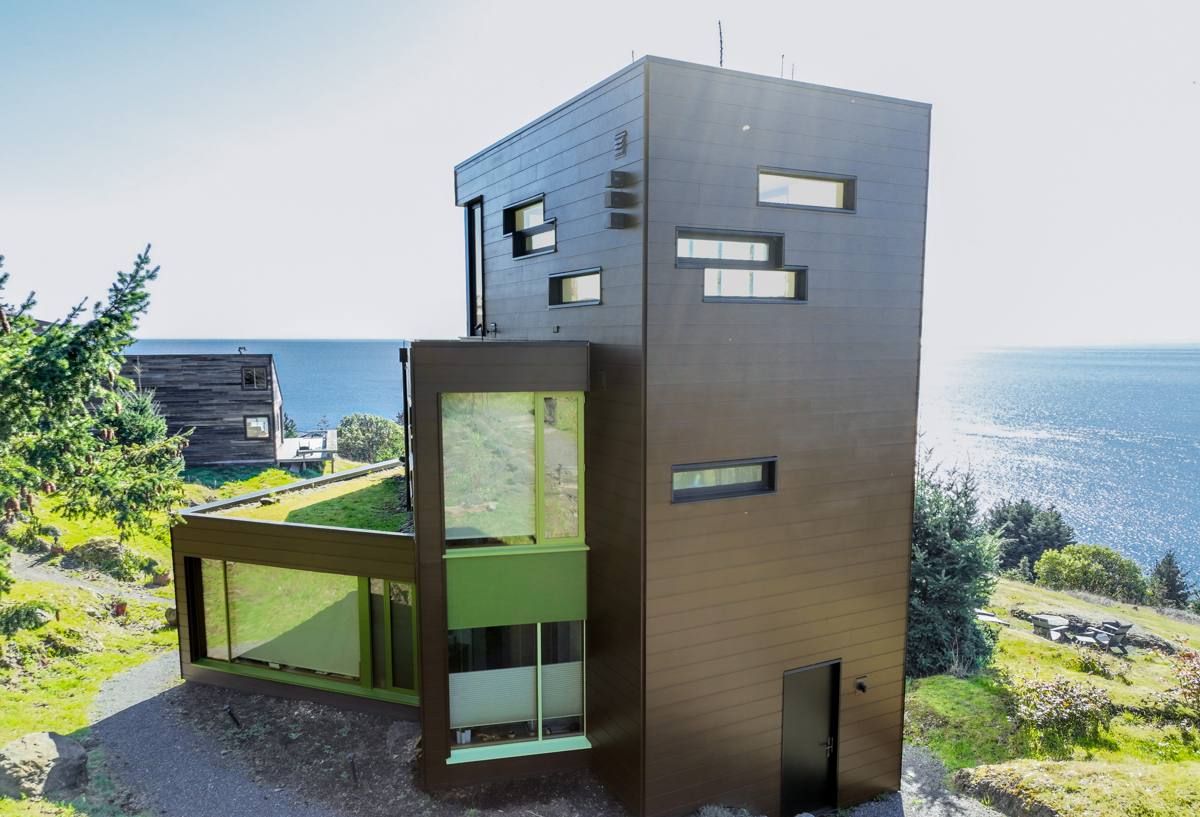
Beacon Hill sits up on a ridge above the Duwamish valley, which means homes here take weather from more directions than houses tucked into a sheltered valley. Wind-driven rain off Puget Sound doesn't just fall straight down in this part of Seattle — it gets pushed sideways into window frames, sills, and trim. Over years, that constant pressure finds every gap in an old installation. If you've noticed fogged glass, soft wood at the sill, or a draft that no amount of caulk seems to fix, the window itself is usually not the only problem. It's how it was installed, and whether it was ever built for King County's weather in the first place.
Custom windows are not about a fancier look, though that's often part of it. In an older neighborhood like Beacon Hill, "custom" usually means matching an opening that isn't quite standard size anymore, correcting a flashing detail that was done wrong decades ago, or fitting a window style that suits a 1920s bungalow instead of whatever was on sale when the house was last remodeled. Done right, it's a permanent fix. Done wrong, it's an expensive way to introduce a new leak.
What This Climate Does to Windows Over Time
Seattle's marine climate is mild, which is part of why people love it here — but mild and dry are not the same thing. King County gets long stretches of low-intensity rain, heavy moisture in the air even on dry days, and short winter daylight that keeps surfaces damp for hours after a storm passes. A few specific things happen to windows under those conditions:
- Moss and algae take hold on horizontal surfaces — sills, bottom rails, and any trim that stays shaded and damp. Once it's established, it holds moisture against the wood or frame far longer than plain rain does.
- Driving rain pushes water sideways under trim and behind cladding at any gap in the flashing, which is why a window can leak in a storm even though it looks bone dry the rest of the year.
- Condensation builds up on the inside face of older or poorly rated glass during cold, damp mornings, and that moisture works its way into the sill and the wall cavity below it if it's not managed.
- Salt-laden air moving in off the Sound accelerates corrosion on lower-grade hardware, screws, and aluminum components, especially on windows that get direct exposure with no overhang protection.
None of this is dramatic in the short term. It's slow, cumulative damage — which is exactly why so many Beacon Hill homes end up with rot at the sill or a soft spot in the trim that the homeowner didn't see coming.
Common Window Issues We See in Beacon Hill Homes
Craftsman and Early Bungalow Homes
Beacon Hill has a good number of older bungalows and early 20th-century homes with original or early-replacement wood windows. These often have real character — true divided lites, deep trim profiles — but the wood sashes and sills have had a long time to absorb moisture. Reglazing or weatherstripping can extend their life for a while, but once rot has reached the frame itself, patching is a short-term fix, not a solution.
Mid-Century Aluminum-Frame Windows
Homes remodeled or built in the decades when aluminum frames were standard tend to have serious condensation problems. Aluminum conducts heat and cold efficiently, which is great for a saucepan and bad for a window frame in a wet climate — it means the inside face of the frame runs cold, moisture from indoor air condenses on it, and that water then sits against the sill and interior trim.
Newer Construction and Recent Remodels
Even newer vinyl windows fail early when the installation skipped proper flashing integration with the siding or house wrap. A good window can still leak if the opening around it wasn't sealed and flashed correctly — this is one of the most common causes of early failure we run into, and it has nothing to do with the window itself.
Choosing the Right Frame Material for This Climate
There's no single "best" window material — the right choice depends on the home's age, your budget, and how exposed the window is to weather. Here's how the common options compare for a wet, moderate climate like King County's:
| Frame Material | Moisture Resistance | Maintenance | Typical Lifespan |
|---|---|---|---|
| Vinyl | Very good — won't rot; seams need proper sealing | Low | 20–30+ years |
| Fiberglass | Excellent — dimensionally stable in wet/dry cycles | Low | 30–40+ years |
| Wood (clad exterior) | Good on the exterior face; interior wood still needs care | Moderate | 20–30+ years with upkeep |
| Aluminum | Poor thermal performance; prone to condensation | Moderate | Varies widely by install quality |
For most Beacon Hill homes, vinyl or fiberglass frames give the best balance of moisture resistance and low upkeep. Wood-clad windows are a reasonable choice when matching the look of an older home matters more than minimizing maintenance, as long as you understand the ongoing care that comes with any exposed wood component. We'll walk through the honest trade-offs for your specific home rather than push whatever happens to be easiest to sell.
What a Correct Installation Actually Involves
The window unit itself is maybe a third of what determines whether the job lasts. The rest is in details most homeowners never see once the trim goes back on. A correct installation includes:
- Removing the old window and checking the framing and sill for hidden rot or water damage before anything new goes in
- Repairing or replacing any damaged framing — never installing a new window over a compromised opening
- Installing sill pan flashing so any water that gets past the window has somewhere to drain, instead of sitting in the frame
- Integrating the window flashing correctly with the house wrap or siding, in the right shingle-lap order, so water sheds outward and downward
- Using the right sealants at the right joints — not caulk everywhere, which can trap moisture instead of releasing it
- Shimming and leveling the unit so it operates properly and doesn't stress the frame over time
- Insulating the gap between the window and the framing without overpacking it, which can bow the frame
- Finishing interior and exterior trim to shed water away from the joint, not toward it
Skip any one of these steps and you can still end up with a leak — even with a top-tier window. This is the part of the job that separates a lasting installation from one that looks fine for a season or two.
Our Process, Start to Finish
- Assessment. We look at each window opening, the surrounding siding and trim, and check for existing rot or drainage problems before recommending anything.
- Product selection. We go over frame material, glass options, and style choices that fit your home's age and your budget — including the honest maintenance trade-offs of each.
- Removal and inspection. Old windows come out carefully, and we inspect the framing underneath before closing anything back up.
- Repair as needed. Any rot, soft framing, or prior flashing mistakes get corrected before the new window goes in — not covered up.
- Installation. Sill pan flashing, proper shimming, correct integration with your siding's weather barrier, and appropriate sealant at each joint.
- Trim and finish. Interior and exterior trim is finished to shed water properly and match the look of the home.
- Walkthrough. We check operation, look at the finished sealing and trim with you, and answer questions before we call it done.
Permits, Codes, and Egress
Window replacement in Seattle can require a permit depending on the scope of work, particularly if the rough opening size is changing or if the work affects a bedroom's egress requirements. Bedroom windows need to meet minimum opening size and sill height rules so they can be used as an emergency exit — this matters most on older homes where a bedroom window may predate current code. If your home falls within a designated historic district, there can be additional review for exterior changes, so it's worth checking before ordering anything custom. We handle this process as part of the job rather than leaving you to sort out city requirements on your own.
Windows and Siding Go Together
Because we're a siding contractor first, we look at window flashing as part of the larger water-management system of your home's exterior, not as an isolated component. A window installed with perfect flashing can still leak if the siding above or beside it isn't lapped correctly, and siding replaced without addressing an existing window leak just seals moisture in behind new material. Handling both under one crew means the flashing details actually connect the way they're supposed to, instead of two separate contractors each assuming the other handled the transition.
Signs It's Time to Look at Your Windows
- Visible fogging or moisture between panes of double-glazed glass
- Soft, discolored, or spongy wood at the sill or bottom trim
- A draft you can feel near a closed, locked window
- Difficulty opening, closing, or locking a window that used to operate smoothly
- Moss or dark staining building up on the sill or trim year over year
- Peeling paint or bubbling finish on interior trim near the window
Why a Crew That Works Beacon Hill Specifically Matters
Beacon Hill's mix of older bungalows, mid-century remodels, and newer infill construction means no two blocks have quite the same window issues. A crew that works this neighborhood regularly has already seen how the hillside exposure, older housing stock, and typical remodel history around here tend to play out — which openings usually have hidden rot, which eras of construction commonly used aluminum frames, and how driving rain off the Sound tends to find gaps that a drier climate would never expose. That familiarity means fewer surprises once a wall is opened up, and a straighter answer about what your specific home actually needs.
Access matters too. Steep lots, narrow streets, and limited parking are common on hillside neighborhoods throughout King County, and a crew that's used to working in these conditions plans for it instead of losing a day figuring out logistics on-site.
If you're weighing a full window replacement or just want an honest look at whether your current windows are worth repairing versus replacing, we're happy to come take a look. The estimate is free, there's no pressure, and you'll get a straight answer about what your home actually needs — just fill out the form below to get started.