 Seattle Siding
 Metal Roofing Built for Rainier Valley's Weather
Rainier Valley sits in a part of Seattle where the roof over your head does real work most of the year. Long stretches of driving rain, humid air moving up from the lowlands, and a moss season that seems to start earlier every fall all put steady pressure on a roof system. Metal roofing handles that pressure better than most materials on the market, but only when it's specified and installed correctly for this climate. A metal roof that's right for a dry inland town isn't automatically right for a neighborhood that sees this much sustained moisture.
We install metal roofing across the Seattle area, and Rainier Valley homes get the same attention to detail as everywhere else we work — panel selection, underlayment, flashing details, and fastening all matched to what this specific part of King County throws at a roof over a 30, 40, or 50-year lifespan.
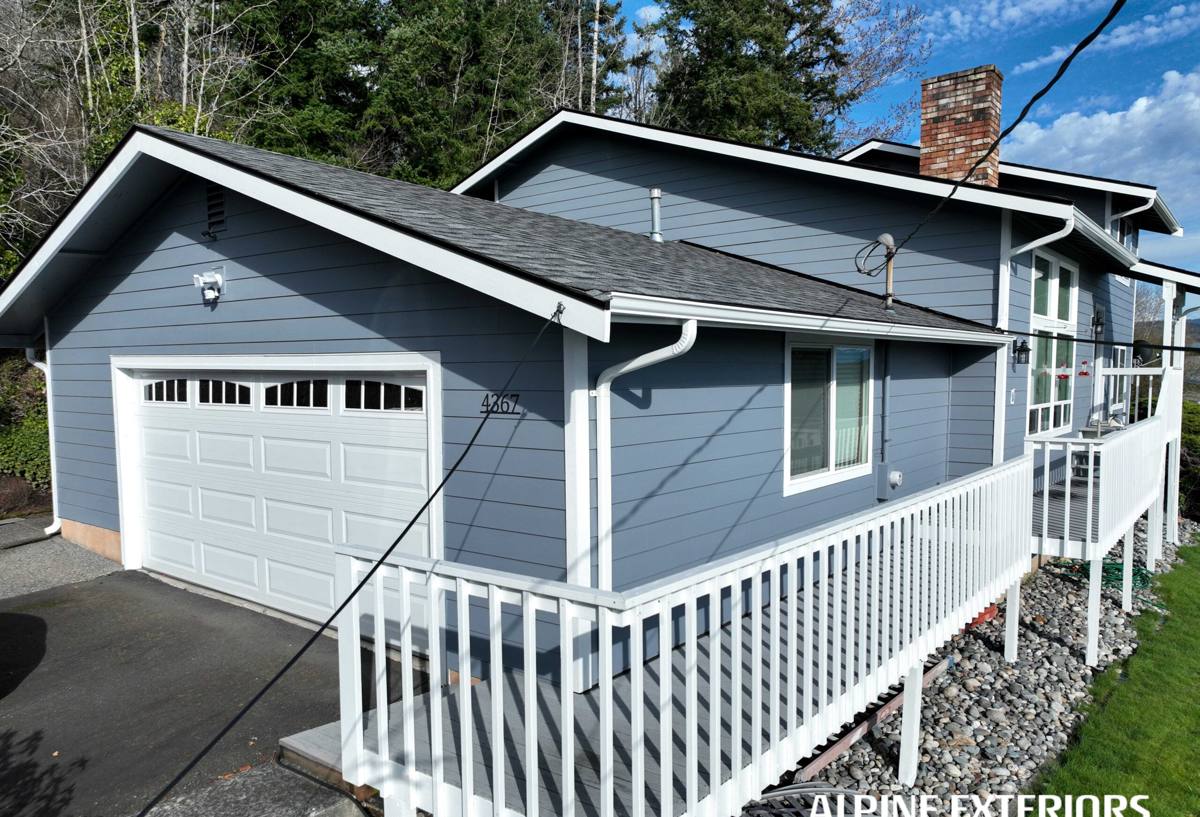
What Rainier Valley Homes Need From a Metal Roof
Three climate factors drive most of the decisions on a Rainier Valley metal roof job:
Driving Rain and Wind-Driven Moisture
Seattle rain isn't usually torrential, but it's persistent and often comes in sideways during winter storms. That means water finds its way under standard shingle laps and around poorly sealed penetrations far more often than in drier climates. Metal roofing, installed with the right seam type and properly lapped flashing, sheds wind-driven rain far more reliably than most other roofing materials — but the seams and flashing details have to be done right, every time, or that advantage disappears.
Salt Air and Corrosion
Rainier Valley isn't waterfront, but Seattle as a whole sits close enough to Puget Sound that salt-laden air reaches inland neighborhoods, especially during onshore weather patterns. Salt air accelerates corrosion on unprotected or poorly coated metal, and it's harder on fasteners and cut edges than on solid painted panel surfaces. This is why coating quality and fastener specification matter more here than they would in a landlocked city.
Moss and Sustained Shade
King County's tree cover and long wet season create ideal conditions for moss growth on roofs, and Rainier Valley's mature trees are no exception. Moss doesn't damage metal roofing the way it damages shingles, but it can still build up in valleys, at panel laps, and around low-slope transitions if a roof isn't detailed to shed debris and dry out between rain events.
What a Correctly Installed Metal Roof Involves
A metal roof is a system, not just a set of panels. The panels themselves are the most visible part, but the components underneath and around them determine whether the roof performs for decades or starts causing problems within a few years.
- A synthetic or self-adhered underlayment rated for the panel type and slope, providing a real secondary water barrier
- Properly sized and lapped flashing at every valley, wall transition, chimney, and roof penetration
- Fasteners and clips specified for the panel's expansion and contraction across Seattle's seasonal temperature swings
- Panel seams and end laps oriented and sealed to shed water in the direction it actually travels on the roof
- Proper ventilation so moisture from inside the house doesn't condense against the underside of the metal
- Edge and eave detailing that keeps wind-driven rain from working backward under the panels
Skipping or rushing any one of these components is usually invisible on installation day and only shows up as a leak, a corrosion streak, or a loose panel a few years later.
Panel Types and Fit for This Neighborhood
Not every metal roofing product is the right fit for every Rainier Valley home. Roof pitch, existing structure, and the look homeowners want all factor into the decision.
| Panel Type | Typical Fit | Key Consideration |
|---|---|---|
| Standing seam | Most roof pitches, especially lower slopes | Concealed fasteners reduce long-term leak points from moisture and freeze-thaw cycling |
| Exposed-fastener panel | Steeper roofs, accessory structures | Lower upfront cost, but fastener gaskets need periodic inspection over time |
| Stone-coated steel | Homes wanting a shingle or tile look | Heavier system; structure should be checked before installation |
| Metal shingle/shake panels | Homes matching a traditional streetscape | Interlocking panels need careful alignment on complex rooflines |
For most Rainier Valley homes, we lean toward standing seam because the concealed fastener design holds up best against this area's rain and temperature cycling with the least long-term maintenance. That said, roof geometry and budget sometimes point toward a different system, and we'll tell you honestly which option fits your specific roof rather than pushing one product for every job.
A Note on Coatings
Panel finish matters as much as panel profile in a climate like this. A quality baked-on paint or coating system resists fading, chalking, and corrosion far longer than a cheaper mill finish, and it's worth the difference in a neighborhood exposed to salt air and year-round moisture. We won't install a bare or minimally coated panel on a residential roof here — it's not a fit for what King County weather does to metal over time, and homeowners end up dealing with corrosion and appearance issues well before the structural life of the panel is used up.
Our Process on a Rainier Valley Metal Roof
1. On-Site Assessment
We walk the roof, check the deck condition, look at existing ventilation, and note every valley, penetration, and transition that will need custom flashing work. This is also when we talk through panel options based on your roof's pitch, exposure, and your goals for the home.
2. Written Scope and Estimate
You get a clear, itemized estimate — panel type, underlayment, flashing plan, and any deck repair or ventilation work called out separately so you know exactly what you're paying for and why.
3. Tear-Off and Deck Inspection
Once the old roofing is off, we inspect the deck for rot or soft spots, which show up more often on older Seattle homes that have had roof leaks in the past. Any repairs are addressed before a single panel goes down.
4. Underlayment and Flashing First
The waterproofing layer and flashing details go in before panels, since these are what actually stop water — the panels are the visible finish, but the layers underneath are what keep Rainier Valley's rain out over the long run.
5. Panel Installation
Panels are installed with attention to consistent seam alignment, correct fastening or clip spacing, and clean terminations at every edge, ridge, and penetration.
6. Final Walkthrough
We walk the finished roof with you, point out the flashing and detail work, and answer any questions about maintenance before we consider the job done.
Maintenance: What a Metal Roof Actually Needs Here
One of the real advantages of metal roofing in this climate is how little ongoing maintenance it requires compared to other materials — but "little" isn't "none." A short annual checklist keeps a Rainier Valley metal roof performing as intended:
- Clear debris and needles from valleys and low-slope areas before the wet season builds up
- Check gutters and downspouts for clogs that can back water up under eave flashing
- Look for any moss buildup in shaded valleys and remove it before it holds moisture against the panel
- Have flashing and sealant at penetrations (vents, chimneys, skylights) inspected every few years
- Watch for scratches or scuffs in the coating after any work on the roof, such as antenna or gutter service, and touch them up promptly to prevent corrosion starting points
Why Local Experience Matters for This Job
Metal roofing installation isn't forgiving of shortcuts, and a crew that hasn't worked much in this climate can get the panels right while still getting the underlayment, flashing, or ventilation wrong — mistakes that only show up after a wet Seattle winter or two. Working regularly in Rainier Valley and the surrounding Seattle neighborhoods means we've seen how local roofs age, where leaks tend to originate on this housing stock, and which details actually matter for King County's rain and moss conditions versus details that are more relevant in drier parts of the country.
That local pattern recognition is hard to get from a crew that mostly works elsewhere and treats every metal roof the same way regardless of climate.
Get a Straight Answer About Your Roof
If you're weighing metal roofing for a home in Rainier Valley, we're glad to take a look and give you an honest read on what your roof needs — no pressure, no inflated claims, just a clear estimate and a straightforward explanation of your options. Use the form below to request a free estimate.