 Seattle Siding
 Roofs on Queen Anne Take a Different Kind of Beating
Sitting on one of the highest points in Seattle, Queen Anne catches weather that flatter, more sheltered parts of King County don't see nearly as much of. Wind off Puget Sound and Elliott Bay carries salt air up the hill, driving rain hits roof slopes at an angle instead of falling straight down, and the mature tree canopy that gives the neighborhood its character also keeps roofs shaded and damp for long stretches of the year. Salt exposure, wind-driven rain, and a long moss season, layered together, wear on roofing materials faster than most homeowners expect.
A roof repair here isn't just patching a leak. It's understanding how a specific roof, on a specific slope, in a specific pocket of Queen Anne's microclimate, is failing — and fixing the actual cause instead of just the visible symptom.
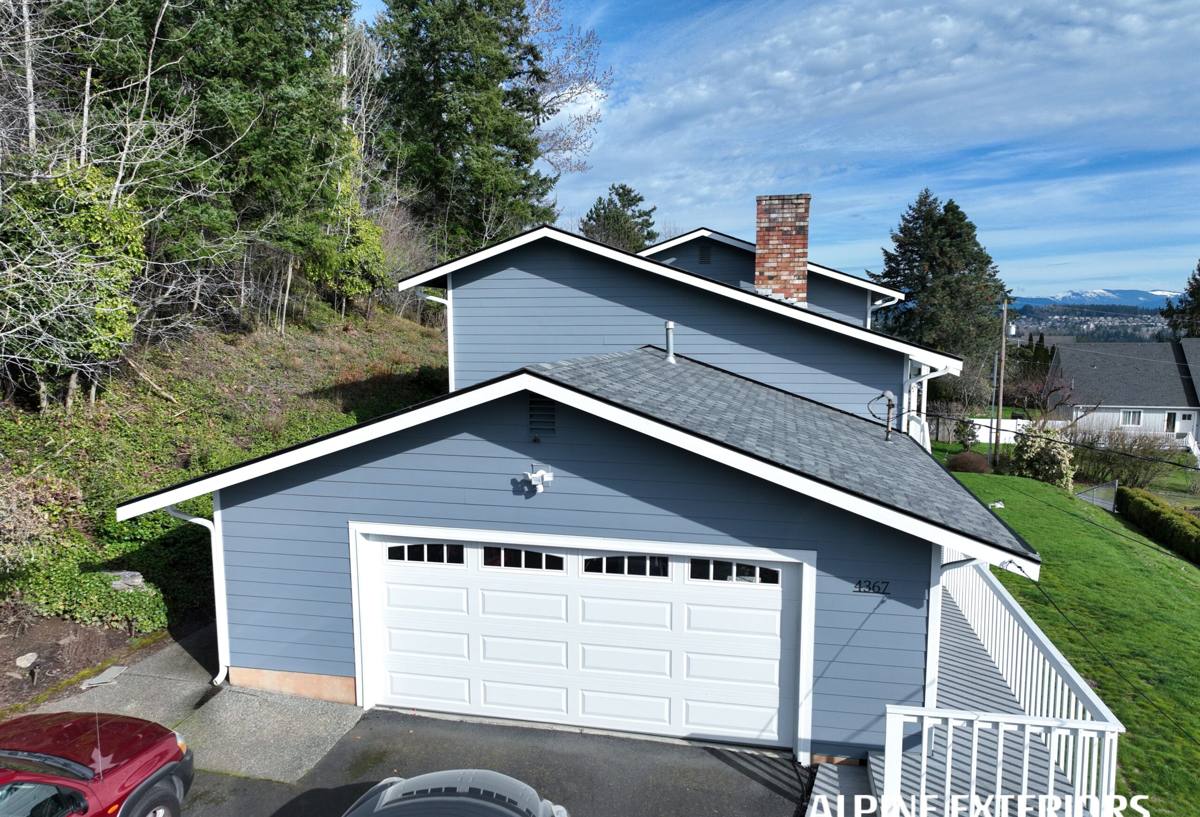
Common Roof Problems We See on Queen Anne Homes
Queen Anne's housing stock spans a wide range — Craftsman bungalows, older Victorians, mid-century homes, and newer infill construction, many on steep or view lots. Each roof type ages differently, but a handful of patterns show up again and again on repair calls in this neighborhood.
Moss and Organic Growth
Shade from mature trees combined with the region's long damp season is close to a perfect recipe for moss. Left alone, moss holds moisture against the roofing surface, lifts shingle edges, and works its way under flashing over time. On older roofs, visible moss growth is often the first sign that a real repair — not just a surface cleaning — is overdue.
Flashing and Valley Leaks
Wind-driven rain doesn't behave like an ordinary rainstorm. It gets pushed sideways and even upward under shingle edges, around chimneys, and into valleys where two roof planes meet. Flashing installed for straight-down rain can still leak in a Queen Anne windstorm if it wasn't lapped and sealed with that wind direction in mind.
Uneven Wear on Exposed Slopes
Homes higher on the hill, or with roof faces that catch the prevailing wind off the water, often show wear at the ridge cap and exposed slopes years before the rest of the roof does. That uneven aging is normal for the area, but it means a repair plan needs to account for the whole roof system, not just the spot where water happens to be showing up inside the house.
What a Correct Roof Repair Actually Involves
A leak inside the house rarely shows up directly below where water is actually getting in — it travels along rafters, sheathing, and underlayment before it finally drips somewhere visible. A repair that only addresses the ceiling stain, without tracing the water back to its real entry point, tends to come back within a season or two, usually during the next hard storm.
Done correctly, a roof repair includes:
- Tracing the leak or damage back to its actual source, not just the visible symptom
- Checking the condition of the underlayment and decking, not just the surface shingles
- Matching replacement materials in type, weight, and where possible, color and age
- Re-flashing any valleys, chimneys, or vents disturbed during the repair
- Confirming ventilation and drainage aren't contributing to the original failure
Skipping any of these steps is how a "quick patch" quietly turns into a repeat service call a year later.
Our Roof Repair Process
We keep the process straightforward, because a homeowner already dealing with a leak doesn't need extra runaround on top of it.
1. On-Site Inspection
We get up on the roof, or use a ladder and camera where pitch or access makes that the safer option, and look at the full roof system rather than just the area where the leak is showing up inside.
2. Honest Diagnosis
We tell you what's actually wrong, what caused it, and whether it's a straightforward repair or a sign of broader wear worth planning around. If moss, debris, or a ventilation issue is contributing, we'll say so directly.
3. Written Estimate
You get a clear scope of work and price before anything starts, so there are no surprise add-ons once the tarp comes off.
4. The Repair Itself
We replace damaged material, re-flash as needed, and match the existing roof as closely as possible so the repair blends in rather than standing out.
5. Cleanup and Walkthrough
We clear debris from the roof and gutters, check drainage near the repair area, and walk you through exactly what was done and why.
Most straightforward repairs are a one-day job once weather allows access; larger jobs involving multiple leak points or deck replacement take longer, and we'll give you a realistic timeline up front rather than an optimistic one.
Repair or Replace? How We Help You Decide
Not every roof problem calls for full replacement, and not every leak can be permanently solved with a patch. The right call depends on the roof's age, how much of it is affected, and how it's held up relative to similar roofs in this climate.
| Factor | Repair Usually Makes Sense | Replacement Worth Considering |
|---|---|---|
| Roof age | Well within expected lifespan for its material | At or past typical service life for the material |
| Extent of damage | Isolated to one area, flashing, or a section of shingles | Multiple areas failing or damage spread across slopes |
| Moss and moisture history | Recent onset, surface-level growth | Long-term moss damage affecting decking or underlayment |
| Material availability | Matching material can still be sourced | Original material discontinued or heavily weathered elsewhere |
| Underlying structure | Decking and rafters sound | Soft spots, rot, or sagging present |
We'll walk you through exactly where your roof falls on that spectrum — our goal is the right fix for the roof in front of us, not the biggest invoice we can write.
Materials We Use and Why
For most Queen Anne repairs, we work with asphalt composition or architectural shingles, along with metal flashing systems built to handle wind-driven rain rather than just straight-down runoff. Where a roof calls for it, we also install self-adhering ice-and-water barrier membrane at valleys, eaves, and around penetrations — extra protection in the exact spots where sideways rain and standing water cause the most trouble.
We're selective about products that look fine on paper but carry known trade-offs in a wet, tree-shaded climate. Certain lightweight underlayments and thin flashing profiles, for example, can meet minimum code while still shortening a repair's real-world lifespan in a neighborhood that gets this much wind and moisture. We'd rather use a slightly more durable material and have the repair actually hold up than come back out in two years for the same leak.
Moss and Debris: An Ongoing Reality on Queen Anne Roofs
Because of the tree cover and the length of the wet season here, moss isn't a one-time problem you solve and forget about. Roofs on shaded lots often need moss treatment or removal every year or two just to keep small issues from becoming repair-level ones. When we're on your roof for a repair, we'll point out simple, practical maintenance — keeping gutters and valleys clear of needles and leaves, for instance — that goes a long way toward stretching the life of the work we just did.
Storm Damage and Insurance Considerations
King County sees its share of windstorms coming off the Sound, and a hard storm can turn a slow, moss-related leak into an urgent one overnight — or cause sudden damage from a falling branch or lifted shingles. If your repair is storm-related, we'll document the damage clearly with photos and a written scope, which makes it easier for you to work with your insurance carrier if you choose to file a claim. We're not an insurance company and won't promise a specific claim outcome, but we can make sure the paperwork reflects what actually happened to your roof.
Why a Crew That Already Works Queen Anne Matters
Queen Anne's terrain and housing stock create practical challenges that a crew unfamiliar with the neighborhood can easily underestimate: steep lots and narrow access points, older roof framing that wasn't built to modern ventilation standards, mature landscaping that limits where a ladder or lift can even go, and rooflines where new material needs to be matched carefully to old rather than replaced wholesale. A crew that regularly works these streets knows to plan for tight staging areas, has a good sense of what older Queen Anne roof decking tends to look like once the surface layer comes off, and knows which repair approaches actually hold up through a full Puget Sound winter versus which ones just look finished on the day the ladder comes down.
That familiarity also means fewer surprises for you along the way. We're not learning the neighborhood's quirks on your roof.
Signs Your Queen Anne Home May Need a Roof Repair
- Water stains or discoloration on ceilings or upper-floor walls
- Visible moss buildup on shingles, especially on shaded, north-facing slopes
- Granules collecting in gutters or at downspout outlets
- Curling, cracked, or missing shingles
- Daylight visible through the roof deck from inside the attic
- Sagging in the roofline or soft spots underfoot during a walk-around inspection
- Rusted, lifted, or separated flashing around chimneys, vents, or valleys
Any one of these on its own might be minor. A few of them together usually means it's worth having someone take a real look before the next windstorm off the Sound finds the weak point for you.
If you're noticing any of these signs, or just want an honest opinion on a roof that's due for a checkup, we're happy to take a look. Reach out for a free, no-pressure estimate using the form below, and we'll give you a straight answer on what your roof actually needs.