 Seattle Siding
 Roofing in Magnolia: A Different Set of Conditions
Magnolia sits on a peninsula bordered by Puget Sound and Elliott Bay, which means homes here take on a mix of weather that inland Seattle neighborhoods don't deal with in the same way. Roofs on the bluffs and along the water-facing slopes get more direct wind, more wind-driven rain, and more airborne salt moisture than roofs a few miles inland. Combine that with King County's long wet season and heavy shade from mature evergreens on many Magnolia lots, and you get a climate that is genuinely hard on roofing material — especially anything that isn't installed with drainage, ventilation, and moss resistance in mind from day one.
A roof replacement in this neighborhood isn't just a materials swap. It's an opportunity to correct whatever weaknesses let the old roof fail early — usually ventilation, flashing, or underlayment that wasn't matched to how much water this area actually sees over a winter.
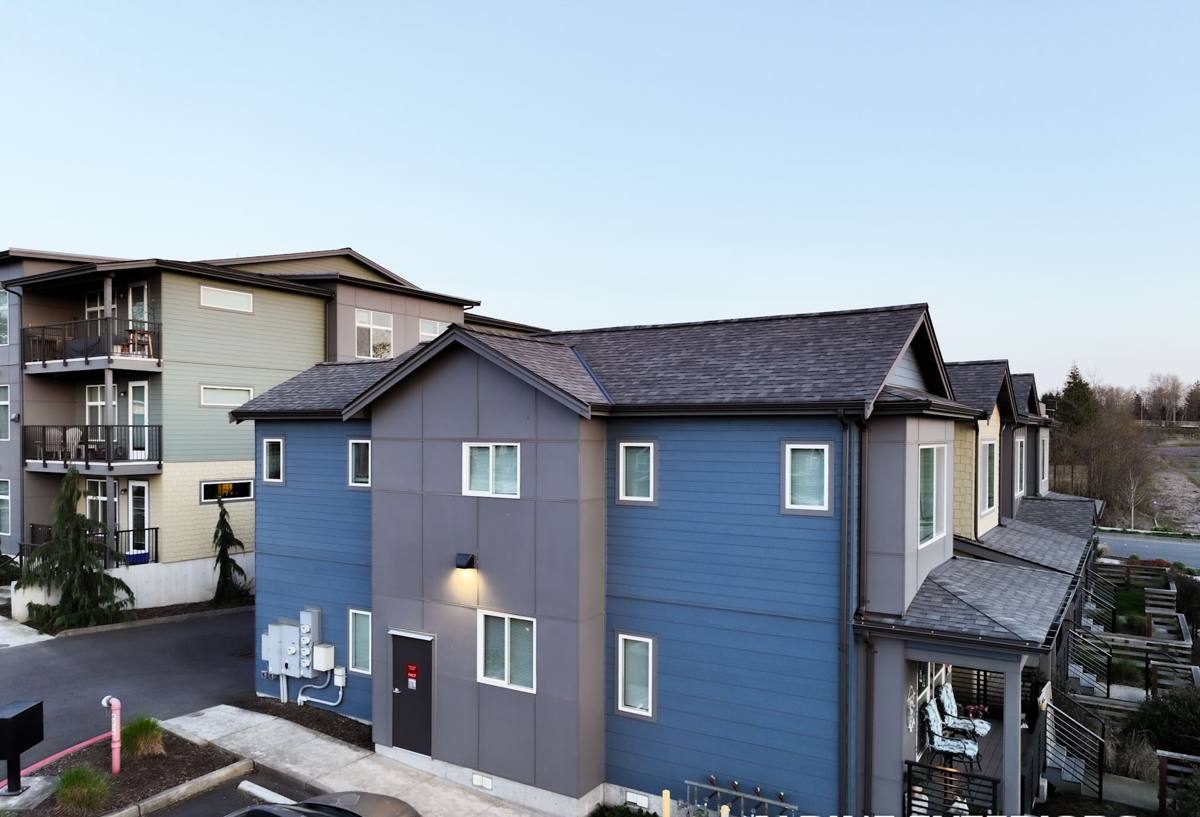
What Seattle's Wet Season Does to a Roof Over Time
Driving Rain and Wind Exposure
Magnolia's exposed positions catch wind off the Sound, which pushes rain sideways into roof edges, valleys, and anywhere flashing meets a wall or chimney. Standard installation details that work fine in a sheltered inland yard can leak here if the underlayment lap, valley metal, or wall flashing wasn't built for wind-driven water.
Salt Air and Metal Fasteners
Homes closer to the water are exposed to a low level of salt in the air, which accelerates corrosion on unprotected metal — fasteners, flashing, and vents included. This is a slow process, but over 15-20 years it matters, and it's one reason material and hardware choice near the water shouldn't be identical to what you'd use further inland.
Moss, Shade, and Standing Moisture
Seattle's long, mild, wet stretch from fall through spring is close to ideal moss-growing weather, and Magnolia's tree cover makes it worse on shaded roof planes. Moss holds moisture against the roofing material, works into shingle laps and granule surfaces, and can lift edges enough to let water underneath. A roof that isn't detailed to shed water quickly and dry out between storms will grow moss faster and wear out sooner, regardless of the material's rated lifespan.
Signs a Magnolia Roof Is Due for Replacement
Repairs make sense for isolated damage. Replacement makes sense once the roof's underlying materials — not just the surface — have aged out. Common signs we see on Magnolia homes include:
- Granule loss heavy enough that you find grit collecting in gutters and downspouts
- Moss or dark algae staining that keeps returning within a season or two of cleaning
- Curling, cracked, or missing shingles, especially on the water- or wind-facing slopes
- Soft spots in the decking when walked, or visible sagging along the roof line
- Daylight visible through the attic sheathing, or water stains on interior ceilings
- Flashing around chimneys, skylights, or dormers that's rusted, lifted, or gapped
- A roof approaching or past 20-25 years old with no major work done
If you're only seeing one or two of these and the roof is otherwise sound, a repair or targeted maintenance visit is usually the more honest recommendation — we'll tell you that directly rather than push a full replacement you don't need yet.
What a Correct Roof Replacement Actually Involves
Tear-Off and Deck Inspection
We remove the existing roofing down to the deck rather than layering over it. That's the only way to actually see the plywood or plank sheathing underneath, which is where moisture damage from long-term leaks tends to hide. Any soft, delaminated, or rotted decking gets replaced before anything new goes down — installing new roofing over a compromised deck just guarantees an earlier failure.
Underlayment Built for Wet Climates
Given how much rain this region sees, we use underlayment systems suited to prolonged wet exposure, with extra attention to eave and valley protection where water concentrates. This layer is what actually keeps a home dry during the weeks the surface material is doing the visible work — it's not an area to cut corners on.
Flashing and Water-Shedding Details
Most roof leaks trace back to flashing, not the field material — chimneys, skylights, sidewalls, valleys, and vent penetrations. On wind-exposed lots we pay particular attention to these details, since driving rain finds gaps that vertical rain never would.
Ventilation
Proper intake and exhaust ventilation keeps the attic temperature and moisture level balanced, which slows condensation buildup, protects the decking from the underside, and helps the roofing material last its full rated life. Under-ventilated attics are a common, fixable reason roofs in this climate age faster than they should.
Material Options for Magnolia's Conditions
There's no single "best" roofing material — the right choice depends on your home's exposure, roof pitch, budget, and how long you plan to stay in the house. Here's how the common options compare for a Magnolia property specifically:
| Material | Typical Lifespan | How It Handles Our Climate | Maintenance Considerations |
|---|---|---|---|
| Asphalt composition shingle | 20-30 years | Solid all-around performer; algae-resistant granule options help with moss-prone shade | Periodic moss/debris removal recommended, especially on shaded planes |
| Standing seam metal | 40-50+ years | Sheds rain and moss very effectively due to smooth, steep-draining surface | Use corrosion-resistant fasteners and coatings near the water; higher upfront cost |
| Cedar shake | 20-30 years with upkeep | Traditional look, but wood is more susceptible to moisture retention and moss in wet shade | Requires regular treatment and moss management; higher long-term maintenance |
| Synthetic/composite shingle | 30-50 years | Resists moisture absorption better than wood; performs consistently in wet, shaded conditions | Lower moss-related maintenance than cedar; verify manufacturer warranty terms |
For heavily shaded, moss-prone sections of a Magnolia roof, we often steer homeowners toward algae-resistant shingle products or metal on the affected planes rather than materials that need frequent moss treatment to perform as designed — it's less about any one product being bad and more about matching material to how much sun and airflow that particular roof plane actually gets.
Our Roof Replacement Process
- On-site inspection. We look at the deck, attic ventilation, flashing points, and overall roof condition before recommending anything — not just the visible shingle wear.
- Written estimate. A clear scope and price range, with material options explained honestly, including trade-offs for your specific exposure and budget.
- Permitting. Roof replacements in Seattle typically require a permit; we handle that process as part of the job.
- Tear-off and disposal. Full removal of old material and responsible disposal, with the property protected throughout.
- Deck repair as needed. Any compromised sheathing is replaced before underlayment goes down.
- Installation. Underlayment, flashing, ventilation components, and the new roofing material installed to manufacturer and code specifications.
- Final walkthrough and cleanup. We inspect the finished work with you and clear the site of debris and fasteners.
Why a Crew That Already Works Magnolia Matters
Magnolia's peninsula layout, hillside lots, and mix of narrow access streets and view-facing homes create real logistical differences from a flat inland job — staging materials, setting up safe access on steep driveways, and working around mature trees all take local familiarity. A crew that's already worked in the neighborhood knows what to expect before showing up, which means fewer surprises and a smoother timeline.
Local experience also means we've seen firsthand how Seattle and King County's wet season and this specific area's wind and moss patterns affect different roofing systems over time — not from a manufacturer's spec sheet, but from replacing and repairing roofs on homes with the same exposure yours has. That's the kind of judgment that shows up in flashing details and material recommendations, not just in a sales pitch.
Cost Factors to Expect
Every roof is priced individually based on size, pitch, material, and the condition of what's underneath, so we won't quote a number without seeing the roof. In general, the factors that move the price on a Magnolia job are:
- Roof size and complexity (number of valleys, dormers, penetrations)
- Pitch and accessibility, including steep-lot staging and safety setup
- Material selection, from standard asphalt shingle up through metal or composite systems
- Extent of deck repair needed once the old roofing is removed
- Ventilation or flashing upgrades required to bring the roof up to current standards
We'd rather walk your roof and give you real numbers than post a range that doesn't reflect your actual house.
Get a Free, No-Pressure Estimate
If your Magnolia roof is showing its age, or you just want an honest read on how much life it has left, we're happy to take a look. The estimate is free, there's no obligation, and we'll tell you straight whether replacement makes sense now or whether a repair will hold you over. Use the form below to get started.