 Seattle Siding
 Siding Repair in Ravenna: Built for Seattle's Wet Side Climate
Ravenna is one of Seattle's older, more established residential pockets — mature trees, tight lot lines, homes that have been standing through decades of Pacific Northwest weather. That combination is exactly what makes siding repair here different from a repair job in a newer, sun-exposed subdivision. Heavy tree canopy means more shade, more standing moisture, and a longer window every year for moss and algae to take hold. Add in King County's driving rain — often coming sideways off Puget Sound during fall and winter storms — and you get siding that stays damp longer than it should, especially on north- and west-facing walls tucked behind landscaping.
None of that means your siding is doomed. It means repairs done in this neighborhood need to account for moisture cycling, not just cosmetic damage. A patch that looks fine on a dry August afternoon can fail by January if it wasn't sealed and flashed correctly for what this area actually throws at a house.
Signs Your Ravenna Home Needs Siding Repair
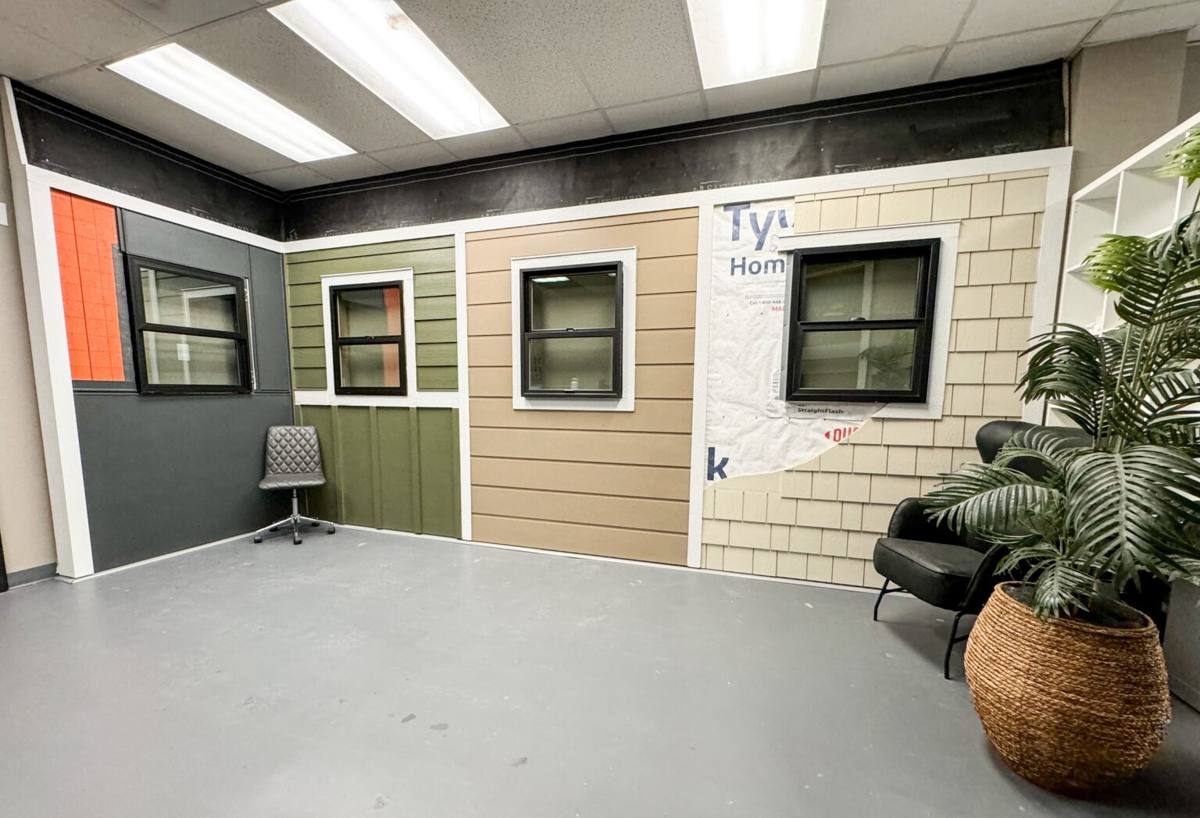
Most siding problems in this neighborhood start small and get ignored because they're easy to write off as cosmetic. By the time they're obvious from the street, moisture has usually already found its way behind the cladding. Walk your exterior and look for:
- Soft or spongy spots when you press on the siding, especially near the bottom courses and around window trim
- Visible green or black staining that keeps coming back within weeks of cleaning
- Cracked, bubbled, or peeling paint that doesn't match the age of the rest of the house
- Gaps opening up at butt joints, corners, or where siding meets trim, windows, and doors
- Warping, buckling, or boards that no longer sit flat against the wall
- A musty smell along interior walls that back up to an exterior siding section
- Caulk that's cracked, shrunk, or pulled away from its joint
Any one of these on its own might be a minor fix. Several together, especially clustered in one shaded or rain-exposed area, usually points to a moisture problem that's been building for a while.
Why Shade, Moss, and Moisture Make Ravenna Repairs a Different Job
Seattle's climate is forgiving on temperature and brutal on moisture management. Ravenna's tree-lined streets add another layer: dense canopy keeps siding from drying out fully between rain events, and organic debris — leaves, needles, seed pods — collects in gutters and against lower siding courses where it holds water against the wall. That's the setup that grows moss, and moss does more than look bad. It holds moisture directly against the siding surface and, on wood-based products, creates a slow-motion path for rot to start underneath.
Salt-laden air moving in off the Sound doesn't help either — it accelerates the breakdown of caulking, fasteners, and any exposed edge on siding that isn't fully sealed. A repair crew that hasn't dealt with this combination day in and day out can miss it entirely, patching the visible damage while leaving the underlying moisture path untouched.
Why This Matters for Repair, Not Just Replacement
A well-executed repair on a shaded, moisture-prone wall has to do more than fill a hole or swap a board. It needs correct flashing and drainage behind the new material, a moisture check on the sheathing underneath before anything gets closed up, and a caulking and sealing approach that accounts for the wall's actual sun exposure — not a one-size-fits-all fix.
What a Correct Siding Repair Actually Involves
A siding repair that holds up in this climate is a sequence, not a single step. Skipping any part of it is how a "fixed" wall ends up with the same problem two winters later.
- Diagnose the cause, not just the symptom. Damaged siding is often a downstream effect of a leak, poor flashing, or trapped moisture somewhere else in the wall assembly. Repairing the visible board without finding the source just delays the next failure.
- Check what's behind the siding. Once damaged material is removed, the sheathing and house wrap underneath get inspected for soft spots, staining, or active rot before anything new goes back on.
- Address the moisture path. That can mean correcting flashing at a window or door, adding a drip cap, or improving drainage at a butt joint — whatever let water in the first time needs to be fixed, not just covered.
- Match the material correctly. New siding needs to match the profile, reveal, and thickness of what's already on the wall so it doesn't create a new water trap at the seam.
- Seal and finish to spec. Proper fastener placement, gapping, and caulking at every joint — done to the manufacturer's actual installation requirements, not just "close enough."
Repair or Replace? How We Make the Call
Not every damaged section needs a full re-side, and not every homeowner who calls about "a repair" actually has a repair-sized problem. We look at scope, cause, and how much of the wall's moisture barrier is still intact.
| Situation | Usually a Repair | Usually Points to Replacement |
|---|---|---|
| Damage location | Isolated to one or two boards or a single wall section | Spread across multiple walls or elevations |
| Underlying sheathing | Dry, solid, no rot found on inspection | Soft, stained, or actively rotting in multiple spots |
| Cause of damage | Single identifiable event (impact damage, one failed flashing point) | Long-term systemic moisture intrusion or original installation errors |
| Age and condition of remaining siding | Siding elsewhere is sound and well-adhered | Remaining siding is also nearing end of service life |
| Material match | Same product/profile still available or easily matched | Discontinued product or no reasonable color/profile match |
We'll always tell you honestly which category your house falls into. There's no benefit to us talking a homeowner into a full re-side when a targeted repair will genuinely hold — and no benefit to patching a wall that's going to keep failing.
Our Process for Ravenna Siding Repair Jobs
Because we already work regularly in this part of Seattle, our process starts with a real understanding of how the neighborhood's tree cover and lot layout affect an individual house, not a generic checklist.
- On-site assessment — we walk the affected area, check moisture readings where damage is suspected, and identify the actual cause before quoting anything
- Straightforward written estimate — scope, materials, and what we found underneath, explained in plain terms
- Scheduling around Seattle's rain windows — repair work that opens up the wall assembly needs a dry stretch to do right, and we plan around that rather than rushing it into a wet forecast
- Repair with matched, code-correct materials — including proper flashing and drainage corrections, not just a cosmetic patch
- Cleanup and a final walkthrough — so you can see exactly what was done and why
Why James Hardie Fiber Cement Holds Up Better on Repaired Walls
We install and repair exclusively with James Hardie fiber cement siding, and in a climate like Seattle's, that choice matters as much for repairs as it does for full installs. Fiber cement doesn't absorb and swell with moisture the way wood-based or wood-composite products can, which means a properly installed Hardie repair section isn't creating a soft spot that rots from the inside the way an unsealed wood patch can. It's also non-combustible and holds its factory-applied ColorPlus finish far longer under UV and moisture exposure than field-applied paint, which matters when you're trying to blend a repaired section into siding that's been up for years.
That said, an honest note on matching: even with the same product line, a repaired section may show a slight difference from older, weathered siding until the whole wall ages evenly, or until a full paint refresh is done. We'll always tell you upfront what kind of match to expect rather than overpromising a seamless blend on a partial repair.
Why a Crew That Already Works in Ravenna Matters
Siding repair isn't just a materials question — it's a judgment call about what's actually going on behind the wall, and that judgment gets sharper with repetition in a specific place. A crew that regularly works Ravenna's older housing stock has already seen how this neighborhood's shade patterns, drainage quirks, and moisture exposure play out on real houses, not just in general Seattle terms. That translates into faster, more accurate diagnosis on-site: knowing which wall orientations tend to hold moisture, which original installation shortcuts show up repeatedly in homes of a certain age, and where a "small" repair is actually masking a bigger issue.
It also means less guesswork for you. A local crew can usually get eyes on the damage sooner, give you a realistic timeline that accounts for weather, and stand behind the work because they're not driving in from across the region for a one-off job.
Get a Free, No-Pressure Estimate
If you're seeing soft spots, staining, or gaps in your Ravenna home's siding, it's worth getting a straight answer on what's actually happening before it turns into a bigger repair. Fill out the form below for a free estimate — we'll take a look, tell you honestly whether you're looking at a targeted repair or something more, and give you a clear, no-pressure quote either way.