 Seattle Siding
 Why West Seattle Roofs Take a Different Kind of Beating
West Seattle sits out on a peninsula, with a lot of its housing stock perched on bluffs and slopes that face Puget Sound directly. That position is part of what makes the neighborhood beautiful, and it's also why roofs here tend to show storm wear faster than roofs a few miles inland. Wind coming off the water doesn't just blow — it gusts and shifts direction, working at shingle edges and flashing seams from angles a roof on a sheltered inland lot rarely sees. Add in salt-laden air, which slowly attacks exposed metal fasteners and flashing, and you've got a roof system that's under more mechanical and chemical stress than most homeowners realize.
Then there's the rain. Seattle's fall and winter storms aren't usually the dramatic, short-burst kind — they're long, driving, sideways rain events that can push water up under shingle tabs and around flashing that would hold fine in a straight-down downpour. And because so many West Seattle streets still have mature tree canopy, a lot of roofs here spend a good part of the year shaded and damp, which is exactly what moss needs to take hold. Wind damage and a long moss season aren't separate problems — a roof weakened by one is more vulnerable to the other.
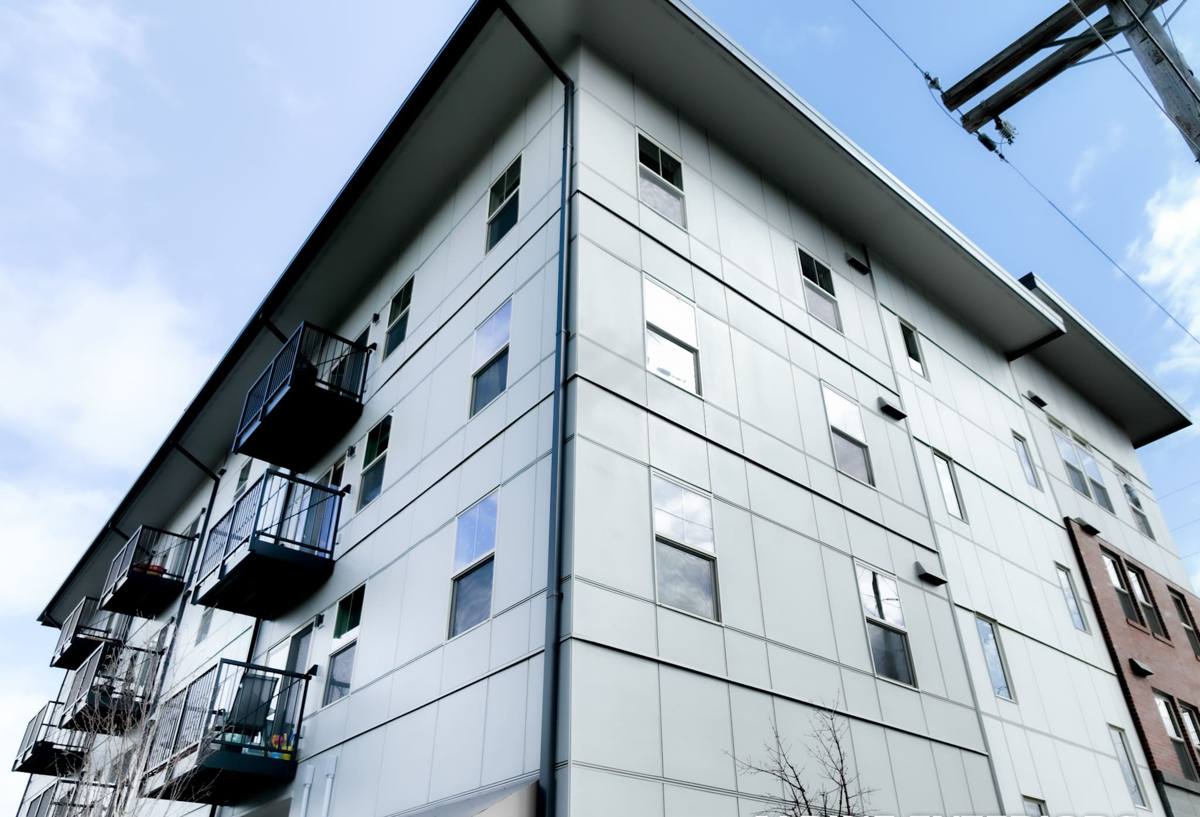
What Storm Damage Actually Looks Like on a Roof
Not every problem after a windstorm is dramatic. Some of it is obvious from the ground; a lot of it isn't. Here's what we're typically looking for when we inspect a West Seattle roof after a storm:
- Shingles that are lifted, cracked, creased, or missing outright
- Granule loss from wind-driven rain, which shows up as bare or shiny patches on asphalt shingles
- Flashing pulled loose or bent around chimneys, skylights, and roof vents
- Damaged or displaced ridge cap shingles along the roof's peak
- Dents or punctures from falling branches or wind-blown debris
- Gutters pulled away from the fascia, or clogged with storm debris, causing water to back up under the roof edge
Damage That's Easy to Miss
The damage that causes the most trouble later is often the kind you can't see from the driveway. Underlayment can get soaked without a single shingle looking out of place. Decking can go soft under a section of roof that appears fine on the surface. And moss that's been sitting on a roof through a long wet season holds moisture against the shingle surface, which accelerates rot at the exact spots where storm-driven rain is already trying to get in. That's why an honest inspection means someone actually getting up on the roof, not just eyeballing it from the yard.
How We Handle a Storm Damage Repair
Our process is straightforward, and we walk you through each step so there are no surprises:
- Inspection. We check the roof from the ground and up close, looking at shingles, flashing, ridge lines, vents, and the gutter system together — not just the spot you noticed the leak.
- Documentation. We photograph what we find. This matters whether you're filing an insurance claim or just want a clear record of the damage and the fix.
- Temporary protection. If there's active water intrusion, stopping further damage comes first — tarping or covering exposed areas before we ever talk about the permanent fix.
- A plain-English repair plan. We tell you what's damaged, what caused it, what needs to be repaired versus replaced, and why — no pressure, no upsell for its own sake.
- The repair itself. Matching materials where possible, correcting flashing and fastener issues (not just replacing shingles and calling it done), and checking that the surrounding roof area wasn't compromised too.
- Final check. We look at drainage, ventilation, and the areas most prone to future moss growth before we consider the job finished.
Repair or Replace? What Actually Decides It
Not every storm-damaged roof needs a full replacement, and not every roof is a good candidate for another round of patching. Here's how we think through it:
| Factor | Repair Usually Makes Sense | Replacement Usually Makes Sense |
|---|---|---|
| Extent of damage | Isolated to one section or a few spots | Spread across multiple slopes or the whole roof |
| Roof age | Well within its expected service life | Already near or past its expected lifespan |
| Decking condition | Solid, no soft spots found | Soft, delaminated, or rotted in multiple areas |
| Repair history | First or second repair on this roof | Repeated repairs to the same areas over the years |
| Moss and moisture pattern | Limited moss, good ventilation | Heavy, long-term moss growth with underlying wood damage |
We'll always give you our honest read on which side of that line your roof falls on, including the cases where a repair genuinely is the right call and a replacement would be overkill.
Materials and Standards for Coastal, Wet-Climate Exposure
Where a roof sits and what it's exposed to should shape the materials used to fix it. For homes with real salt air exposure, we pay close attention to fastener and flashing material — hardware that corrodes quickly under coastal conditions leads to repeat failures, so we favor corrosion-resistant options over the cheapest available fastener. We're also careful about mixing incompatible metals in flashing work, since certain metal combinations can accelerate corrosion when they're in contact with each other and exposed to moisture over time.
Underlayment quality matters more here than in drier climates, because it's genuinely your second line of defense during the kind of driving, sideways rain West Seattle gets. And when moss has been part of the problem, we look at ventilation and airflow across the roof deck as part of the fix — not just scraping moss off and replacing a shingle, but addressing the damp, shaded conditions that let it take hold in the first place. These aren't upsells; they're the standard we hold ourselves to so you're not calling us back for the same problem in two years.
Insurance and Storm Claims: What to Know Going In
Storm damage claims are common in this region, but insurers do look closely at the difference between sudden storm damage and gradual wear, neglect, or long-term moss deterioration — the latter typically isn't covered the same way. That's part of why documentation matters so much. A clear, dated set of photos and an itemized written estimate makes the claims process smoother, whatever company you're working with.
We're happy to provide that kind of documentation and a written scope of work you can hand to your adjuster. What we won't do is tell you to file a claim you don't need, or inflate a scope to chase a bigger payout — that approach tends to cause problems for homeowners down the line, not solve them.
After a Storm: A Practical Checklist
- Do walk the yard and look for shingle pieces, granules in the gutters, or debris that fell from the roof
- Do check ceilings and attic spaces for new water stains, especially after several days of steady rain
- Do take photos of anything visible from the ground before cleanup starts
- Don't get on the roof yourself, especially on wet or moss-covered surfaces — this is when most storm-related injuries happen
- Don't ignore a small stain assuming it will dry out on its own — slow leaks often mean ongoing damage to decking and insulation
- Don't sign anything or pay in full before a written scope of work is in hand
Why It Matters That We Already Work in West Seattle
West Seattle's peninsula geography means access, permitting expectations, and even typical roof age and construction can differ block by block from other parts of the city and King County. A crew that's already familiar with the neighborhood knows which streets tend to have heavier tree cover and a longer moss season, which areas sit more exposed to wind off the Sound, and what kind of roofing was common when a lot of the local housing stock was built. That local familiarity means fewer surprises during inspection and a repair plan that accounts for conditions specific to your part of the peninsula, not a generic approach borrowed from a very different climate.
It also means a faster response after a storm. When wind and rain roll through and multiple homes need attention at once, being already established in the area — rather than dispatching a crew across the city — makes a real difference in how quickly a damaged roof gets covered and repaired.
If you've had storm damage to your West Seattle roof, or you're not sure whether what you're seeing is storm-related or just wear from a long wet season, we're glad to take a look. Reach out for a free, no-pressure estimate using the form below.