 Seattle Siding
 Asphalt Shingle Roofs in Rainier Valley Work Harder Than They Look
Rainier Valley is one of Seattle's older, established neighborhoods, with a housing stock that ranges from early-1900s bungalows to mid-century ramblers to newer infill construction. Whatever the age of the house, the roof over it is dealing with the same thing every roof in this part of King County deals with: months of steady rain, heavy tree cover on many lots, and a marine climate that never really dries out completely between storms. Asphalt shingle roofing is still the most common choice here for good reason — it's proven, it's repairable, and when it's installed correctly it holds up well against everything this climate throws at it. The catch is that word "correctly." A shingle roof that's installed to a bare-minimum standard will look fine for a year or two and then start showing problems that a properly built one wouldn't have for a decade or more.
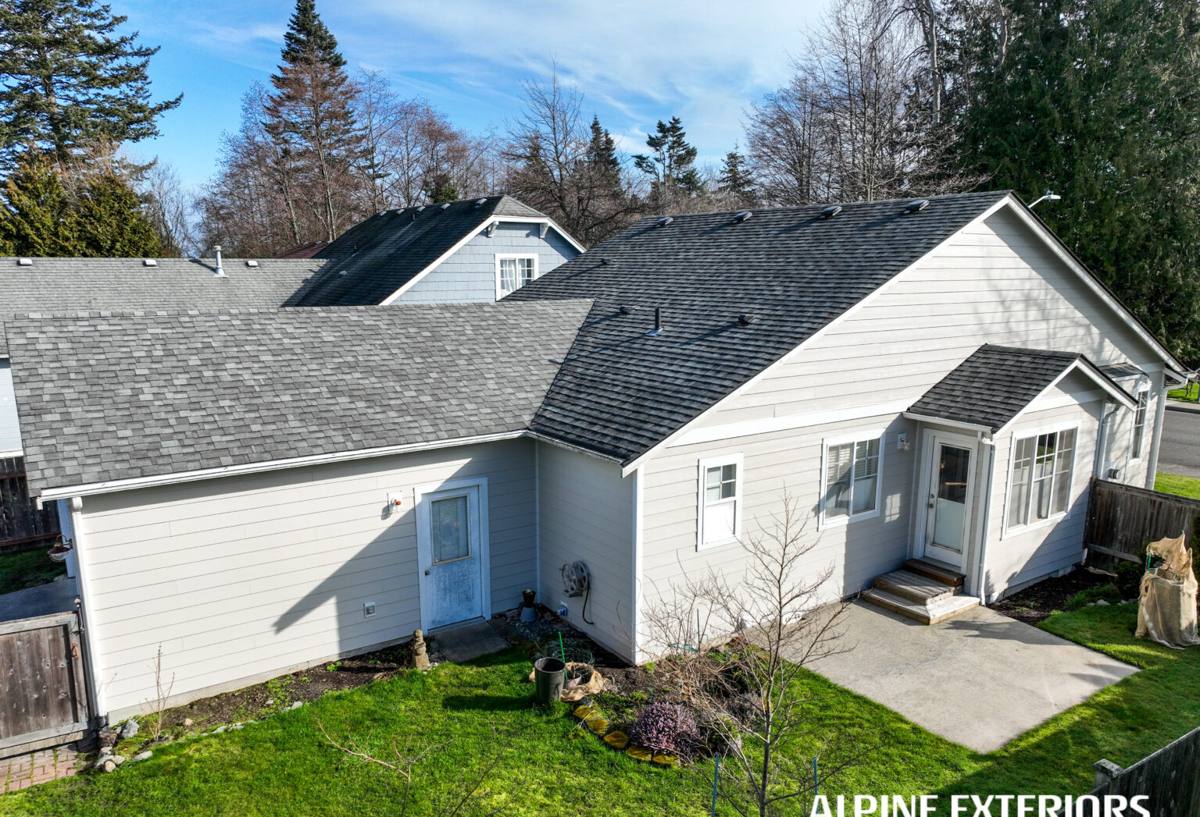
What Seattle's Climate Actually Does to a Shingle Roof
It helps to understand the specific stresses a Rainier Valley roof is under, because they shape almost every decision in a correct installation.
Driving Rain and Wind-Driven Moisture
Seattle doesn't get the heaviest total rainfall in the country, but it gets a lot of long, low-intensity rain events, often pushed sideways by wind off the Sound. That kind of weather finds every weak point in a roof system — a poorly lapped flashing detail, an under-sized valley, a nail that missed its target. Wind-driven rain doesn't just fall on a roof, it works its way sideways and upward under edges that aren't properly sealed.
Salt Air and Marine Exposure
Being close to Puget Sound means the air carries a fine salt content that settles on every exterior surface in the region, roofs included. Over years, that salt content accelerates the breakdown of unprotected metal flashing and fasteners, which is why the metal components of a roof matter just as much as the shingles themselves.
Moss, Shade, and a Long Wet Season
Rainier Valley's mature tree canopy is part of what makes the neighborhood pleasant to live in, but shaded, north-facing roof slopes stay damp for weeks at a stretch during the wet season. That's exactly the condition moss and algae need to take hold. Once moss establishes itself on a shingle roof, it holds moisture directly against the shingle surface, lifts shingle edges as it grows, and can work its way under tabs and flashing over time.
Temperature Swings and Freeze-Thaw
Seattle's winters aren't brutally cold, but the region does get enough freeze-thaw cycling — especially overnight lows followed by daytime warming — to stress any water that's already found its way into a roof assembly. A roof that's shedding water properly barely notices this. A roof with existing moisture problems gets worse, faster.
What a Correct Asphalt Shingle Job Actually Involves
A shingle roof is a system, not a single product. Every layer matters, and skipping or shortcutting any one of them is where most premature roof failures in this climate start.
- Deck inspection and repair: the plywood or OSB sheathing underneath has to be sound before anything goes on top of it — soft, rotted, or delaminated decking gets replaced, not covered.
- Ice-and-water membrane at vulnerable areas: eaves, valleys, and roof-to-wall transitions get a self-adhering waterproof membrane, not just standard felt, because these are where wind-driven rain and ice damming (on the rare cold snap) cause the most damage.
- Synthetic underlayment across the field: a durable, water-resistant layer under the shingles is the roof's backup line of defense if any shingle ever gets compromised.
- Drip edge and rake edge metal: properly installed metal edging directs water off the roof instead of letting it wick back under the shingle edge or into the fascia.
- Step and valley flashing: every place a roof meets a wall, chimney, or another roof plane needs correctly lapped metal flashing, not just extra layers of shingle or sealant.
- Balanced ventilation: intake at the eaves and exhaust at the ridge, sized to move air through the attic so moisture doesn't condense against the underside of the deck.
- Correct nailing pattern: the right number of nails, in the right location on each shingle, driven flush (not overdriven or underdriven) — this single detail affects wind resistance and warranty validity more than almost anything else.
- Ridge cap shingles: a dedicated ridge product, not field shingles bent over the ridge, for a clean finish and long-term seal.
Skip any one of these and the shingles on top can still look good from the ground while the roof underneath is quietly taking on water.
Signs a Rainier Valley Roof Needs Attention
Because most of a roof's real work happens out of sight, homeowners usually notice a problem through indirect signs rather than an obvious leak.
- Dark streaking or green-black growth on shaded slopes, especially facing north or under tree cover
- Granules collecting in gutters or at downspout outlets
- Shingle edges that look curled, cupped, or lifted rather than lying flat
- Moss visibly bridging between shingle courses, especially near valleys
- Soft or spongy spots when walking the roof (should only be checked by a professional)
- Water stains on interior ceilings, especially near chimneys, skylights, or where roof planes meet
- Daylight visible through the attic roof deck at eave or ridge lines
- A roof approaching or past 20 years old with no recent inspection
None of these guarantee a full replacement is needed — some are simple maintenance items — but all of them are worth a professional look before the next wet season arrives.
How Our Process Works
1. On-Site Assessment
We start with a walk of the roof itself, not just a look from the ground. That includes checking the attic from inside where possible, since ventilation and moisture problems usually show up there before they're visible on the exterior.
2. Honest Scope and Written Estimate
We tell homeowners plainly whether they're looking at a repair, a partial re-roof, or a full replacement, and what's driving that recommendation. If a repair will reasonably hold for several more years, we say so — a full tear-off isn't always the right answer.
3. Tear-Off and Deck Inspection
For full replacements, we remove existing roofing down to the deck so it can be properly inspected and repaired, rather than layering new shingles over old ones or over hidden damage.
4. System Installation
Underlayment, ice-and-water membrane, flashing, ventilation components, and shingles go on in that order, with each layer inspected before the next goes over it.
5. Final Walkthrough
We walk the finished roof and the site with the homeowner, covering what was done, what to expect over the first year, and any maintenance recommendations specific to the house.
Choosing the Right Shingle for This Climate
Not every asphalt shingle product performs the same way under Seattle's specific mix of rain, shade, and moss pressure. The table below is a general comparison to help frame the conversation — actual product lines and warranty terms vary by manufacturer.
| Shingle Type | Typical Lifespan | Algae/Moss Resistance | Best Fit |
|---|---|---|---|
| 3-Tab | 15–20 years | Limited unless treated | Budget-conscious re-roofs on simpler rooflines |
| Architectural (Laminate) | 25–30+ years | Moderate to good, especially with algae-resistant granules | Most Rainier Valley homes — good balance of durability and cost |
| Algae-Resistant Specialty Lines | 25–30+ years | Best available in asphalt category | Heavily shaded lots or north-facing slopes prone to moss |
For most homes in this neighborhood, especially those with mature trees nearby, we lean toward architectural shingles with algae-resistant granules. The extra upfront cost is modest compared to the labor cost of dealing with moss removal and premature replacement down the line.
What Drives the Cost of a Shingle Roof Here
| Factor | Why It Matters |
|---|---|
| Roof pitch and complexity | Steeper roofs and more valleys, hips, and penetrations take longer to flash correctly and increase safety setup time |
| Deck condition | Rot or delamination found during tear-off means sheathing repair or replacement before shingles go on |
| Layers of existing roofing | Multiple old layers add tear-off time and disposal cost |
| Ventilation upgrades needed | Older homes often need added intake or exhaust vents to meet current airflow standards |
| Access and site conditions | Narrow lots, tree cover, or steep driveways affect staging and material handling |
| Shingle line chosen | 3-tab, standard architectural, and specialty algae-resistant products carry different material costs |
We walk through these factors on-site so the estimate reflects the actual roof, not a generic square-footage number.
Moss Prevention and Ongoing Maintenance
A correctly installed roof still benefits from basic upkeep in a climate like this one. Zinc or copper control strips near the ridge release trace metal ions with each rain, which discourages new moss growth over time. Keeping gutters clear prevents water from backing up under the lower courses of shingle. Trimming back overhanging branches reduces both shade and the amount of debris that collects on the roof surface and holds moisture. Existing moss should be treated gently — soft washing rather than aggressive pressure washing or scraping, which can strip granules and shorten shingle life.
Why Hiring a Crew That Already Works Rainier Valley Matters
Roofing permits, inspection requirements, and typical construction details vary enough across King County that local familiarity actually shows up in the finished work. A crew that regularly works in Rainier Valley already understands the housing stock in the neighborhood — the common roof framing approaches from different building eras, the ventilation retrofits older homes tend to need, and the moss pressure that shaded lots face. That familiarity means fewer surprises during tear-off, more accurate estimates up front, and a crew that isn't learning the neighborhood on the homeowner's dime. It also means faster response for follow-up questions or minor post-installation adjustments, since the crew isn't driving in from far outside the area.
If your roof is showing any of the signs above, or it's simply been a long time since it was last inspected, we're happy to take a look. Seattle Siding Company offers free, no-pressure estimates for asphalt shingle roofing work in Rainier Valley — use the form below to get started.