 Seattle Siding
 Composite Decking Designed for Beacon Hill's Conditions
Beacon Hill sits up on a ridge above the rest of Seattle, and that elevation brings its own mix of weather: exposed stretches that take the full brunt of driving rain off the Sound, and shaded, tree-covered lots where moisture lingers for days after a storm passes. Add in King County's long wet season, and a deck here is under near-constant moisture stress for eight or nine months of the year. Composite decking, installed correctly, is one of the few decking systems built to shrug that off without the yearly maintenance cycle a wood deck demands.
This page covers what composite decking actually needs to hold up on a Beacon Hill property, what a correct installation looks like, and how our process works from first estimate to finished deck.
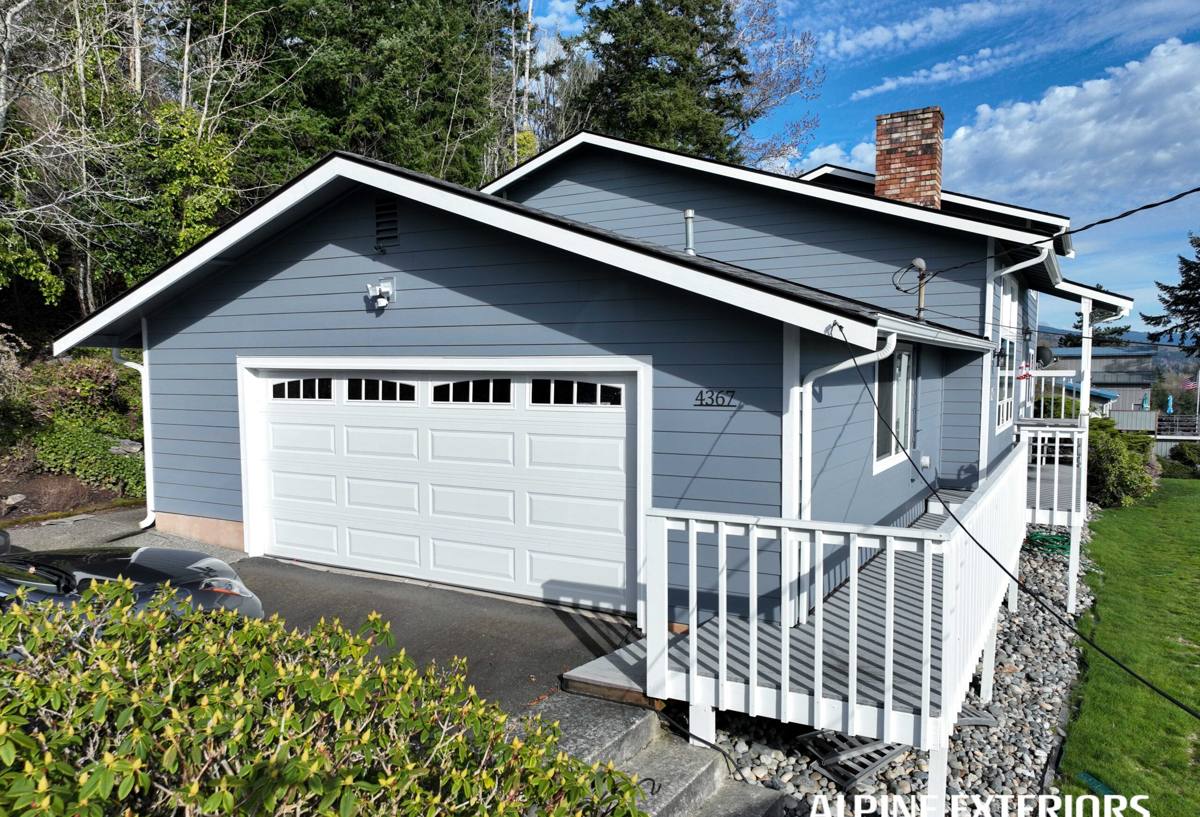
Why Beacon Hill's Weather Is Hard on Decking
Three things work against any deck up here, and they compound each other:
- Driving rain. Seattle's rain rarely falls straight down — wind off the Sound pushes it sideways, which drives water into board gaps, fastener holes, and any spot where flashing or framing is even slightly off.
- Extended moss and algae season. Shaded lots and mature tree canopy — common on parts of Beacon Hill — keep deck surfaces damp long after the rain stops. That damp, shaded environment is exactly what moss and algae need to establish, and once they take hold on a porous surface they're difficult to fully remove.
- Salt-tinged marine air. Elevation and proximity to Puget Sound mean fasteners, brackets, and any exposed metal hardware are exposed to a mild but persistent corrosive environment over the life of a deck.
None of this is unique to Beacon Hill, but the combination of shade pockets, elevation exposure, and a wet climate that doesn't let up is a specific set of conditions a deck has to be built for — not just built.
Why Composite Holds Up Better Than Wood Here
We install both wood and composite decking, and we're upfront with clients about the trade-offs rather than pushing one product. For a lot with real shade or limited sun exposure to dry things out, composite is usually the better long-term fit. Here's the honest comparison:
| Factor | Wood Decking | Composite Decking |
|---|---|---|
| Moss/algae resistance | Porous surface stains and holds moisture; needs regular cleaning and re-sealing | Capped boards resist moisture absorption; surface cleans off rather than staining in |
| Annual maintenance | Sealing or staining every 1-2 years in this climate | Periodic washing; no sealing or staining required |
| Upfront cost | Lower material cost | Higher material cost |
| Fastener/hardware exposure | Same corrosion risk regardless of decking material | Same corrosion risk regardless of decking material |
| Lifespan in shaded, wet conditions | Shortened without diligent upkeep | Manufacturer warranties typically 25-50 years with normal use |
| Appearance over time | Natural, but grays and weathers unevenly without upkeep | Consistent color retention; some fading is still normal over many years |
Composite isn't maintenance-free — it still needs periodic cleaning, and the substructure underneath still needs to be built correctly. But it removes the yearly sealing cycle that a lot of Beacon Hill homeowners on shaded lots simply don't have time to keep up with.
What a Correct Composite Deck Installation Involves
The Substructure Matters More Than the Boards
Composite decking is often marketed on the surface product, but the framing underneath is what determines whether the deck performs in this climate. Joists, ledger boards, and posts need proper flashing and moisture barriers regardless of what decking material sits on top — composite boards don't compensate for a substructure that's trapping water against untreated framing.
Spacing and Drainage
Board gapping has to account for our climate's humidity swings, and the framing below needs enough airflow to let moisture escape rather than pool. On shaded Beacon Hill lots especially, we pay close attention to drainage paths under the deck so water doesn't sit against joists or posts through the wet months.
Fasteners and Flashing
Given the salt-tinged air at elevation, we use corrosion-resistant fasteners and hidden fastening systems rated for coastal exposure, and we flash every ledger connection to the house properly. This is the detail that separates a deck that lasts decades from one that develops soft spots or rot at the house connection within a few years.
Structural Sizing for Grade and Slope
Beacon Hill has more grade changes and sloped lots than a lot of Seattle neighborhoods. Post heights, footing depth, and lateral bracing all need to be engineered for the specific slope of your lot rather than built off a flat-lot standard plan.
Choosing the Right Composite Board for a Shaded, Damp Lot
Capped vs. Uncapped Composite
Capped composite boards have a protective outer shell that resists moisture absorption and staining — this is what we recommend for shaded or tree-covered Beacon Hill properties, since it's the layer that keeps organic growth from working into the board itself. Uncapped composite is more absorbent and, on a damp lot, is more prone to moss and mildew taking hold over time.
Color and Heat Considerations
Darker composite boards can run noticeably hotter in direct summer sun, but on many Beacon Hill lots with partial shade, that's less of a factor than on fully exposed decks. We'll talk through your specific sun exposure before recommending a color line.
Grip and Surface Texture
A textured or grooved board surface sheds water faster and stays less slick than smooth-faced composite — worth prioritizing on any deck that sits in shade for part of the day, since that's exactly where slick surfaces become a real slip hazard during our wet months.
Our Process, Start to Finish
- Free on-site estimate. We walk your lot, assess sun/shade exposure, drainage, grade, and existing structure, and talk through composite options that fit your specific conditions.
- Design and material selection. We help you choose board style, color, and railing system, and provide a clear written quote before any work begins.
- Permitting. Most deck work in Seattle requires a permit depending on height and size — we handle the permit process so you don't have to navigate King County and city requirements yourself.
- Demo and substructure build. Old decking is removed, framing is inspected or rebuilt, and all ledger and post connections are properly flashed before any composite goes down.
- Composite installation. Boards are installed with correct spacing, hidden or approved fastening systems, and attention to drainage underneath.
- Final walkthrough. We review the finished deck with you, cover basic care, and make sure everything meets code before we call the job done.
Maintenance: What "Low-Maintenance" Actually Means Here
Composite decking cuts out sealing and staining, but it isn't zero-maintenance in a climate like ours. A realistic seasonal routine looks like this:
- Sweep debris (leaves, needles, seed pods) off the deck regularly, especially in fall — trapped organic matter is what feeds moss growth on any surface
- Wash the deck with soap and water (or a manufacturer-approved composite cleaner) once or twice a year, more often on shaded sections
- Keep gutters and downspouts near the deck clear so runoff isn't draining directly onto the deck surface
- Check railing hardware and fasteners annually for corrosion, given our marine-influenced air
- Trim back overhanging branches where possible to reduce shade and debris buildup on persistently damp sections
- Address any moss as soon as it appears rather than letting it establish — early removal is far easier than a deep clean later
Cost Factors for a Beacon Hill Composite Deck
Every deck is different, but these are the main variables that move the price:
| Factor | Impact on Cost |
|---|---|
| Deck size and shape | Larger footprints and multi-level or curved layouts increase material and labor |
| Composite board tier | Capped, higher-end lines cost more upfront but generally need less long-term upkeep |
| Substructure condition | Rebuilding rotted or undersized framing adds cost but is not optional for a safe deck |
| Grade and slope | Sloped Beacon Hill lots often need deeper footings or additional post height, adding cost |
| Railing system | Composite, cable, or glass railing all price differently than standard wood rail |
| Permit requirements | Higher decks or those near property lines may need engineering review, adding time and cost |
We'll give you a specific, itemized number for your property rather than a generic estimate — every Beacon Hill lot we look at has a slightly different grade, exposure, and structural starting point.
Why Hire a Crew That Already Works This Neighborhood
Beacon Hill's mix of older homes, sloped lots, and mature tree cover means a deck built here needs decisions a generic decking crew might not think to make — where to prioritize drainage, which sections need capped board versus where standard composite is fine, and how to frame for a lot that isn't flat. We're familiar with Seattle's permitting process and King County code requirements, and we've built decks on the kind of terrain and tree cover that's common on this hill, not just on flat suburban lots. That local familiarity shows up in fewer surprises during the build and a deck that's actually sized and framed for your specific property.
If you're considering composite decking for your Beacon Hill home, we're happy to walk your property and give you an honest, no-pressure estimate — just fill out the form below and we'll get in touch.