 Seattle Siding
 Beacon Hill's Climate Is Harder on Decks Than It Looks
Beacon Hill sits on a ridge with views toward downtown Seattle and Puget Sound, and that exposure cuts both ways. The same elevation and openness that make the views worthwhile also means decks here take a steady beating from moisture-laden air, driving rain that comes in sideways during winter storms, and a long moss season that can run from October well into spring. Add in the salt-tinged air that drifts up from the Sound, and you have a combination that speeds up corrosion on fasteners, encourages algae and moss growth on horizontal surfaces, and keeps wood damp for longer stretches than most homeowners expect.
None of that means a deck can't last for decades in this neighborhood. It means the deck has to be built with this specific climate in mind from the footings up, not treated like it was built in a dry inland climate and hoping for the best.
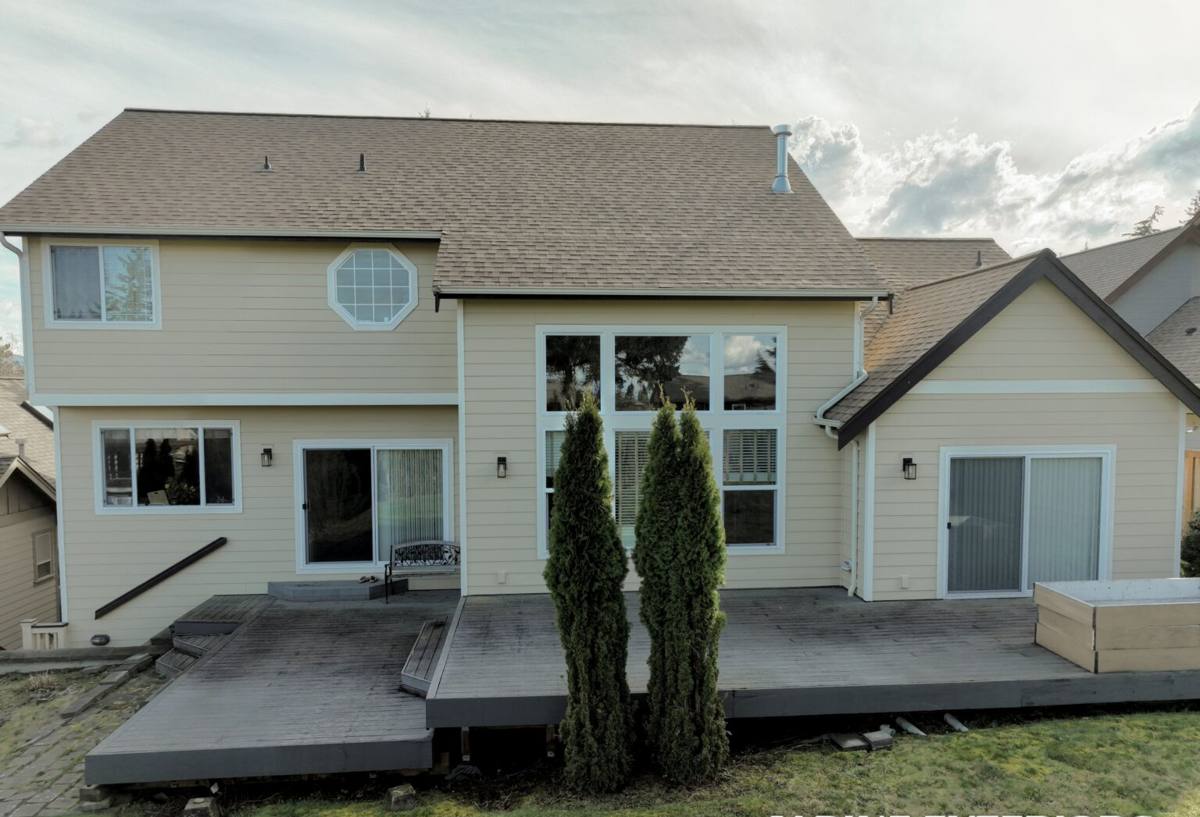
What Beacon Hill Homes Actually Need From a Deck
A deck built for this part of King County needs to manage water first and look good second. That priority order shows up in a few concrete ways:
- Positive drainage away from the house on every deck, not just ones directly over living space
- Gapping and spacing between boards wide enough to let water and debris pass through instead of pooling
- Corrosion-resistant fasteners and hardware rated for coastal-adjacent exposure, not standard interior-grade hardware
- Ledger board flashing detailed to keep water from tracking back into the house framing
- A decking material chosen with moss and algae growth in mind, not just color and price
Skip any one of these and the deck will still look fine the first year or two. The problems show up later, as soft spots, rust streaks, or a slick, moss-covered surface that's genuinely dangerous to walk on in wet weather.
Beacon Hill's Terrain Adds a Layer of Complexity
Beacon Hill has a fair number of sloped and terraced lots, which means a lot of local decks aren't simple ground-level platforms — they're elevated structures with taller support posts, sometimes stepped multi-level designs to work with the grade. Taller decks need more attention to bracing, post connections, and guardrail requirements, and they're also more exposed to wind-driven rain because there's less of the house or landscaping blocking it. A deck design that works fine on a flat lot in a sheltered yard doesn't automatically translate to a sloped Beacon Hill lot facing open exposure.
Choosing the Right Decking Material for This Climate
There's no single "best" decking material — the right choice depends on how much maintenance a homeowner actually wants to do versus what they're willing to pay upfront. Here's how the common options compare specifically against Seattle's wet, moss-prone conditions:
| Material | Moss/Algae Resistance | Maintenance Needed | Typical Lifespan Here |
|---|---|---|---|
| Pressure-treated lumber | Low — needs regular cleaning and sealing | Annual cleaning, re-sealing every 1-2 years | 10-15 years with upkeep |
| Cedar | Moderate — natural oils help but fade over time | Cleaning and oil/stain every 1-2 years | 15-20 years with upkeep |
| Composite decking | Good — capped composites resist staining well | Periodic washing, no sealing required | 25-30 years |
| PVC decking | Best — fully synthetic, doesn't absorb moisture | Occasional washing | 25-30+ years |
We're upfront with homeowners that pressure-treated wood costs less to install but asks for more of your time every year — moss and algae find a foothold quickly on untreated or under-maintained wood surfaces in this climate. Composite and PVC products cost more upfront but hold up better against the specific conditions Beacon Hill sees, which is why we recommend them more often than not once a homeowner understands the trade-off. It's a maintenance-versus-upfront-cost decision, not a right-or-wrong one.
Framing and Structural Details That Matter Here
The framing underneath a deck does more work than most homeowners realize, especially in a climate this wet. A few details we treat as non-negotiable on every Beacon Hill project:
Footings and Frost Depth
Footings need to be sized and set to the depth required by King County code for the soil and load conditions on the specific lot. Sloped lots often need engineered footing designs rather than a standard spec, particularly for taller decks.
Joist Protection
Joist tape or an equivalent moisture barrier on top of the joists keeps standing water from soaking into the wood at the exact spot where fasteners penetrate — one of the most common places we find hidden rot on older decks in this area.
Hardware Grade
Structural connectors, screws, and post bases all need to be rated for exterior, corrosion-prone environments. This matters more here than in drier parts of the state, given the extended damp season and proximity to salt air.
Managing Moss and Drainage Long-Term
Moss isn't just cosmetic — a moss-covered deck surface gets slick and holds moisture against the decking material, which shortens its life no matter what it's made of. The fix isn't more frequent power-washing after the fact; it's designing the deck so moss has a harder time establishing itself in the first place. That means adequate board spacing, a decking material with a tighter, less porous surface where budget allows, and enough airflow underneath the deck structure so the space beneath stays drier between rain events. On lower decks with limited clearance, we also pay attention to grading underneath so water isn't simply collecting and sitting under the structure all winter.
How We Approach a Beacon Hill Deck Project
- On-site assessment — we look at the lot's grade, sun and shade exposure, drainage patterns, and how the deck will tie into the existing structure.
- Design and material selection — sized and detailed for the specific site, with material recommendations based on your maintenance preferences and budget, not a one-size-fits-all default.
- Permitting — we handle the permit process with the City of Seattle so the structure is documented and inspected correctly, which also protects you at resale.
- Construction — footings, framing, flashing, and decking installed in sequence with attention to the moisture-management details above.
- Final walkthrough — we go over the finished deck with you, including what maintenance it will and won't need going forward.
Why Local Experience on Beacon Hill Actually Matters
A crew that's worked on Beacon Hill before already knows what the sloped lots typically require, has a working relationship with Seattle's permitting process, and has seen firsthand how the neighborhood's exposure to rain, moss, and salt air affects different materials over time. That's different from general deck-building experience gained somewhere drier or flatter. It shows up in small decisions — how a footing is engineered for a particular slope, which fastener grade actually holds up here, how a ledger gets flashed against a specific siding type — that add up to whether a deck is still solid in fifteen years or needs major repair in five.
What Drives the Cost of a Beacon Hill Deck
| Factor | Why It Matters Here |
|---|---|
| Lot slope and deck height | Taller, terraced decks need more framing, bracing, and engineered footings |
| Decking material | Wood costs less upfront; composite/PVC cost more but need far less upkeep against moss and rain |
| Access to the build site | Tight or sloped side-yard access can add labor time for material and equipment staging |
| Railing and guardrail requirements | Taller decks trigger stricter code requirements for guardrails and stair railings |
| Permitting complexity | Engineered footing plans for sloped lots take longer to review than a standard flat-lot permit |
Rather than quote a broad range that doesn't mean much without seeing the lot, we walk each site in person before giving a number — the slope, exposure, and existing structure all factor into what a correct build actually costs.
Simple Maintenance That Extends a Deck's Life Here
Whatever material you choose, a little seasonal attention goes a long way in this climate:
- Sweep debris off the deck surface regularly in fall, when falling leaves trap moisture against the boards
- Clean visible moss or algae before it spreads, using a deck-safe cleaner rather than a pressure washer on close range, which can damage board surfaces
- Check that gaps between boards stay clear so water keeps draining through properly
- Inspect fasteners and hardware yearly for rust or corrosion, especially on older decks
- Reseal wood decking on the schedule recommended for that specific product — don't wait until it's visibly gray or dry
- Confirm the area underneath the deck has airflow and isn't trapping standing water after storms
If you're planning a new deck or replacing one that hasn't held up to Beacon Hill's weather, we're happy to walk the site and give you a straightforward, no-pressure estimate — just fill out the form below.