 Seattle Siding
 Board & Batten in a Neighborhood Built on Character
Wallingford is one of those Seattle neighborhoods where the housing stock tells a story — early-1900s craftsman bungalows and foursquares sit alongside remodels and newer infill construction, often on narrow lots with mature street trees overhead. Board and batten siding shows up a lot in this mix, whether it's a full facade on a modern build, an accent on a gable end, or a clean update on a garage or addition. The vertical lines read as both traditional and contemporary, which is part of why it works so well here.
But board and batten is not a siding style you can install the same way everywhere. In a dry climate, the seams between boards and battens are a minor detail. In Seattle, where the weather comes off Puget Sound with real intent, those seams are where a siding job either holds up for decades or starts failing in five years.
What Seattle's Climate Does to Vertical Siding
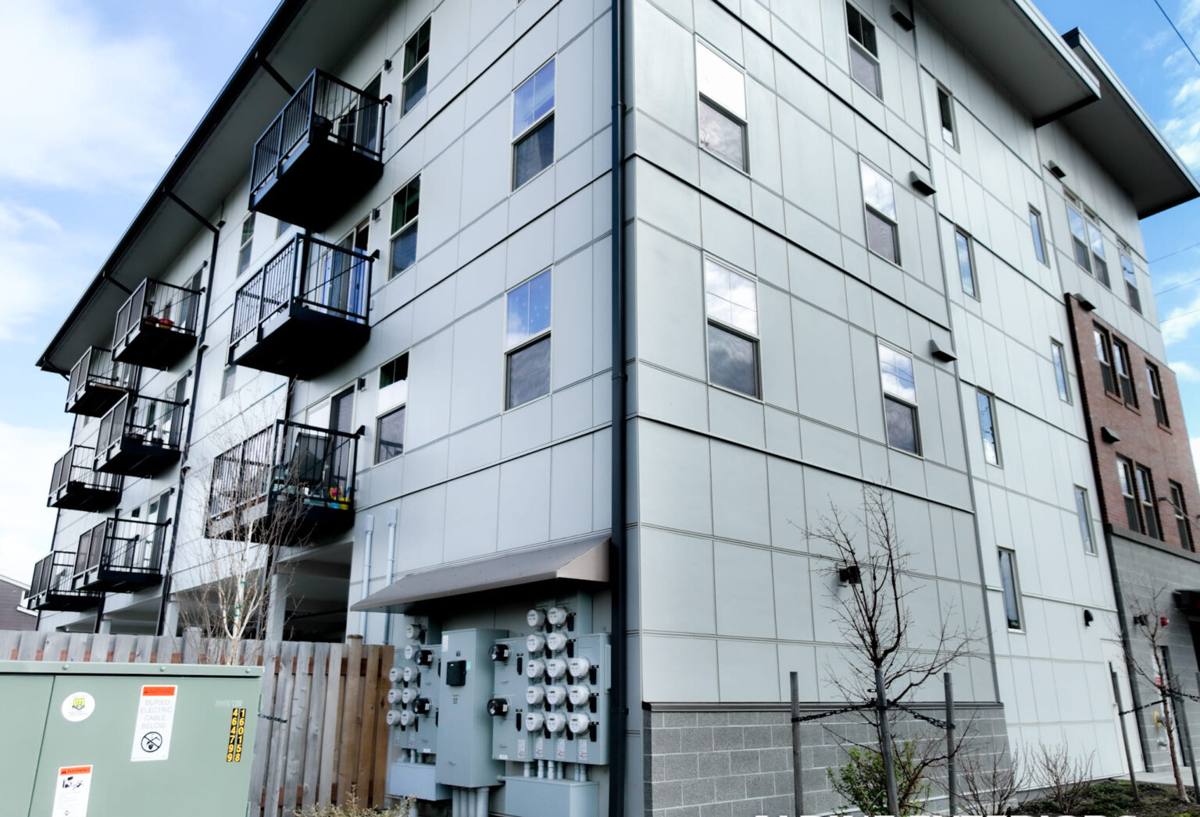
King County doesn't get extreme heat or hard freezes, but it makes up for that with sustained, driving rain, salt-laden air moving in off the Sound, and a moss season that can run most of the year on shaded or north-facing walls. Wallingford's tree canopy, which is part of what gives the neighborhood its character, also means more shade, more standing moisture, and more organic debris landing on siding and trim.
Board and batten siding has more vertical seams per square foot than horizontal lap siding, and every one of those seams is a place where water can get behind the cladding if it's not detailed correctly. Add wind-driven rain and constant damp instead of quick freeze-thaw cycles, and the failure pattern in this climate is usually slow, hidden moisture intrusion — swelling, soft trim, or paint failure at the seams — rather than sudden cracking. That's exactly why the product and the installation detail matter more here than in a drier region.
The James Hardie Board & Batten System We Install
How the System Is Built
We install James Hardie fiber cement exclusively, and for board and batten that means a Hardie panel product with vertical battens over the seams, engineered as a system rather than assembled from mismatched parts. Fiber cement doesn't absorb and swell the way wood-based or wood-composite products can, which matters directly on a wall that stays damp for long stretches of the year.
Factory Finish vs. Field-Painted Board
Where it fits the project, we use Hardie's ColorPlus factory finish — a baked-on finish applied under controlled conditions, with touch-up product matched for the rare field repair. That's a meaningfully different starting point than a board that gets primed and painted on site, where coverage and cure time depend on the weather the day the crew is working. In a climate where painting windows are limited by rain, a factory finish removes a lot of that variability. Hardie's siding is also manufactured in engineered HZ product lines matched to specific climate zones, including the wetter Pacific Northwest, rather than a single generic formulation sold everywhere.
What a Correct Board & Batten Installation Involves
Rainscreen and Drainage Plane
Behind the siding, there needs to be a drainage plane and, ideally, a rainscreen gap that lets any water that does get past the cladding drain and dry out instead of sitting against the sheathing. This is arguably the single most important detail on a board and batten job in a wet climate, and it's also the detail that's easiest for a crew to skip because it doesn't show once the siding is up.
Flashing at Windows, Trim, and Transitions
Every window, door, roofline, and horizontal trim transition needs proper flashing that directs water out and away from the wall assembly, not just caulk covering a gap. On board and batten specifically, the transition from vertical siding to horizontal trim boards (at the base, around windows, under eaves) is where a lot of amateur installs go wrong.
Fastening and Batten Spacing
Fastener placement, spacing, and depth are specified by the manufacturer for a reason — over-driven or under-driven fasteners, or battens spaced to hide a framing mistake instead of following layout, both shorten the life of the job. Batten width and spacing should also be planned before installation starts, not adjusted board by board as the crew goes.
Caulking Standards
Caulk is a backup, not a primary water management strategy. It's used at specific joints with the correct sealant for fiber cement, not as a way to paper over a gap that shouldn't be there.
Board & Batten vs. Other Siding Options for Wallingford Homes
Homeowners comparing board and batten materials for a Wallingford project generally weigh these factors:
| Material | Moisture Behavior | Moss/Algae Resistance | Maintenance | Fire Rating |
|---|---|---|---|---|
| James Hardie fiber cement | Does not absorb and swell; engineered for wet climates | Factory finish resists staining better than raw wood | Periodic washing; no repainting for years with ColorPlus | Non-combustible |
| Cedar board & batten | Absorbs moisture; prone to cupping/swelling if not maintained | Susceptible to moss and mildew without regular treatment | Regular staining/sealing required | Combustible |
| Vinyl board & batten | Doesn't absorb water, but seams and panels can trap moisture behind them | Can stain and discolor in shaded, damp areas | Low, but limited repair options if damaged | Combustible, can deform in heat |
| LP SmartSide (engineered wood) | Treated wood strand product; edges are the vulnerable point if not sealed and maintained | Moderate; depends on finish and upkeep | Field-painted finish needs monitoring over time | Combustible |
We don't install cedar, vinyl, or LP SmartSide board and batten. Each has real strengths — cedar's appearance, vinyl's low upfront cost, LP's engineered strength — but in a climate defined by sustained moisture and moss, we've standardized on fiber cement because it holds up with the least maintenance burden over the longest stretch of time, and because James Hardie's warranty is built around that expectation.
Our Process, Start to Finish
- On-site inspection and estimate. We look at existing siding condition, sheathing, trim, and any moisture damage before quoting the job, not after starting it.
- Tear-off and sheathing check. Old siding comes off and we inspect the wall assembly underneath for rot or existing moisture damage before anything new goes on.
- Weather barrier and drainage plane installation. This step happens before a single piece of visible siding is installed, and it's the part of the job you never see again once it's finished.
- Board and batten installation to manufacturer spec. Panels, battens, flashing, and fasteners installed per James Hardie's published installation requirements.
- Trim, caulking, and touch-up. Final detailing at seams, corners, and transitions.
- Final walkthrough. We review the finished work with the homeowner before calling the job complete.
Maintenance Checklist for Board & Batten in a Marine Climate
A correctly installed Hardie board and batten system is low-maintenance, not no-maintenance. In Wallingford's shaded, damp conditions, a little seasonal attention goes a long way:
- Rinse siding annually, and more often on shaded or north-facing walls where moss and algae build up fastest
- Keep gutters clear so overflow doesn't run down the wall behind the siding
- Trim back tree branches and shrubs that keep a wall surface damp and shaded
- Check caulk lines at windows and trim transitions every year or two for cracking or separation
- Watch for any soft spots at the base of walls or near ground-level trim, a sign moisture is getting trapped
- Repaint or touch up field-finished trim boards before the finish visibly fails, not after
Why Hire a Crew That Already Works in Wallingford
Every Seattle neighborhood has its own quirks, and Wallingford's narrow lots, older framing, mature landscaping, and mix of building ages all affect how a siding job actually goes — from staging materials on a tight lot to knowing what's likely hiding behind the existing siding on a house of a certain age. A crew that's worked in the neighborhood before isn't guessing at any of that. They also already know how King County's rain patterns and Wallingford's tree cover affect sequencing and drying time, which matters more for a wet-applied product like caulk and finish work than most homeowners realize.
If you're weighing board and batten siding for a home in Wallingford, we're happy to take a look and walk you through what a correct installation involves for your specific house. Reach out for a free, no-pressure estimate — there's a form right below to get started.