 Seattle Siding
 Building Decks That Actually Hold Up in Magnolia
Magnolia sits close to Puget Sound, and that proximity cuts both ways. The water views that make this neighborhood desirable also mean homes here take on more salt-laden air, more wind-driven rain, and a longer stretch of damp, shaded months than you'd find further inland in King County. A deck built without those conditions in mind doesn't fail dramatically — it fails slowly, through soft spots, loosening rails, and a green film that never quite goes away no matter how often you sweep it off.
We build decks for homes throughout Seattle, and Magnolia properties get treated differently from the start. The framing choices, fastener grade, and decking material we'd recommend for a dry, sunny lot east of the mountains aren't the same ones we'd use here. This page covers what actually matters when you're putting a new deck on a Magnolia home — not generic deck-building advice, but the specifics that come from working this exact climate.
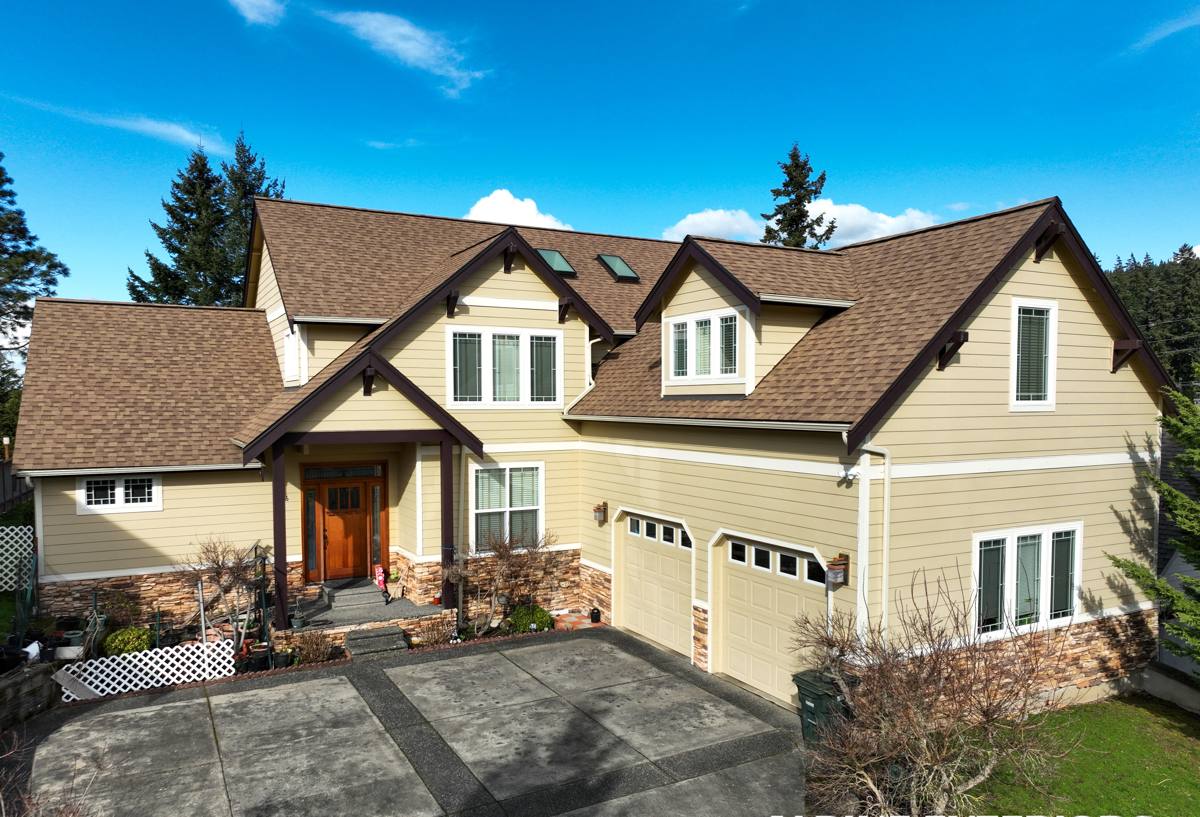
What Seattle's Marine Climate Does to a Deck
Three things drive almost every deck problem we see in this part of the city:
- Salt air: Even homes set back from the water pick up airborne salt on breezy days. It accelerates corrosion on any hardware that isn't rated for it — screws, joist hangers, bolts, and railing brackets all take the hit first.
- Driving rain: Storms here don't just fall straight down; wind pushes rain sideways and up under rail caps, ledger flashing, and stair stringers. Water finds gaps that would stay dry in a calmer climate.
- A long moss and algae season: Cool, shaded, damp conditions can stretch from fall through late spring. Any deck surface that holds moisture — tight-grained wood, poorly sloped boards, areas shaded by trees or the house itself — grows moss and gets slick and green if it isn't detailed to shed water and dry out.
None of this means a deck can't last in Magnolia. It means the deck has to be built assuming these conditions are normal, not occasional.
What a Correctly Built Deck Needs Here
Framing and Substructure
The framing is where most long-term deck failures actually start, even though it's the part homeowners never see once the boards go down. We use pressure-treated lumber rated for ground contact where it's near soil or persistently damp, and we pay close attention to airflow underneath the deck — a structure that can't breathe stays wet longer after every rain, which is exactly what drives rot in a climate like this.
Fasteners and Hardware
Standard galvanized fasteners corrode faster near salt air than most homeowners expect. We use stainless steel or high-grade coated fasteners and connectors rated for coastal and treated-lumber use, especially at joist hangers, ledger bolts, and any hardware exposed to weather. This is one of the cheapest upgrades on a deck build relative to what it prevents — hardware failure at a ledger connection or stair stringer is a safety issue, not just a cosmetic one.
Ledger Attachment and Flashing
Where a deck attaches to the house, proper flashing is non-negotiable. A poorly flashed ledger board is one of the most common sources of hidden water intrusion into the house framing itself — not just the deck. We flash every ledger connection to shed water away from the structure, not just seal it and hope.
Drainage and Slope
Deck boards need a slight, consistent slope away from the house so water runs off instead of pooling. Gaps between boards matter too — too tight and moisture sits, too wide and it becomes a maintenance and safety issue. Getting this balance right is part of what separates a deck that sheds moss for twenty years from one that needs pressure washing every few months.
Choosing the Right Decking Material
There's no single "best" decking material — there's the right material for your budget, your home's style, and how much upkeep you're willing to do. Here's how the common options actually compare in a climate like Magnolia's:
| Material | How It Handles Moss/Rain | Maintenance | Typical Lifespan |
|---|---|---|---|
| Pressure-treated wood | Needs regular sealing to resist moisture and staining; can trap algae in the grain if neglected | Annual cleaning and re-sealing recommended | 15-20 years with upkeep |
| Cedar | Naturally rot-resistant but still needs finish maintenance in this climate; grays without it | Periodic cleaning and oil/sealant | 15-25 years with upkeep |
| Composite decking | Sheds water well; textured caps resist slickness better than smooth wood when specified correctly | Occasional washing, no sealing or staining | 25-30+ years |
| PVC decking | Fully synthetic, doesn't absorb moisture, very resistant to moss staining | Lowest maintenance of the group | 25-30+ years |
We install all of these materials and won't push you toward the one with the highest margin. Real wood decks give you a warmth and price point composite can't match, but they demand a maintenance commitment. If you want to spend your weekends doing something other than re-sealing a deck every year, composite or PVC is worth the higher upfront cost. We'll walk through the honest trade-offs for your specific project rather than a one-size answer.
Designing Around Magnolia's Lots
Magnolia has a good number of elevated and view-oriented lots, along with mature tree cover in many areas. Both of those affect deck design:
Elevated or sloped lots often call for taller substructures, additional footings, and sometimes engineered support depending on grade and soil conditions. We evaluate the slope and access before quoting so there are no surprises once excavation starts. Homes with tree cover nearby get extra attention to shading and drainage — the shadier a deck stays, the longer it holds moisture and the more moss-resistant detailing matters in the material and board spacing choices.
If your goal is a deck that takes advantage of a Puget Sound or territorial view, layout and railing choice matter as much as the decking itself. Cable or glass rail systems preserve sightlines but need hardware that's rated for the marine air discussed above — this is another spot where cutting corners on hardware grade shows up early.
Our Process for a Magnolia Deck Build
- On-site assessment: We look at grade, existing structure (if replacing a deck), sun/shade exposure, and how water currently moves across the lot.
- Design and material selection: We talk through material trade-offs honestly, based on your budget and how much maintenance you want to take on.
- Permitting: Most new decks and many deck replacements in Seattle require a permit through the city. We handle the permit process as part of the job so you're not navigating it alone.
- Build: Framing, flashing, and fastener choices are handled to the marine-climate standard described above — not scaled down to cut cost.
- Final walkthrough: We go over care and maintenance specific to the material you chose, including what to watch for during moss season.
Permits and Code in Seattle
Seattle's building code has specific requirements around deck framing, guardrail height, footing depth, and ledger attachment, and King County adds its own considerations depending on your lot's grade and soil. Decks above a certain height or attached to the house typically need a permit and inspection. Skipping this step is a common corner-cutting move on lower-cost deck jobs, and it can come back to bite you at resale or with an insurance claim if something goes wrong. We pull the required permits and build to code as standard practice, not an upsell.
Keeping Your Deck Ahead of Moss Season
Whatever material you choose, a little seasonal attention goes a long way in this climate. A basic maintenance rhythm for a Magnolia deck looks like this:
- Sweep debris and standing leaves off the deck regularly in fall — trapped organic matter is what feeds moss growth
- Rinse or wash the surface a couple of times a year, more often in shaded areas
- For wood decking, re-seal on the schedule recommended for your specific product, typically every 1-2 years
- Check railing hardware annually for corrosion, especially on homes closer to the water
- Confirm gutters and downspouts near the deck are directing water away, not onto the deck surface
- Address any soft or discolored boards early — moisture damage spreads faster once it starts
Why It Matters to Hire a Crew That Already Works in Magnolia
A deck contractor who mostly builds in drier parts of the country, or who treats every job with the same generic spec, will often under-build for what this climate actually does to a structure over time. Working regularly in Seattle and King County neighborhoods like Magnolia means we've already seen how different framing, fastener, and material choices hold up here — and which ones don't. That experience shows up in details you won't notice on day one, like flashing choices and hardware grade, but that determine whether your deck is still solid in fifteen years or needs major repair in five.
If you're planning a new deck or replacing one that's showing its age, we're happy to take a look and give you a straightforward assessment — no pressure, no inflated scope. Use the form below to request a free estimate, and we'll go over what your specific lot and budget call for.