 Seattle Siding
 Why Queen Anne's Climate Is Hard on Windows
Queen Anne sits high above the rest of Seattle, with long views over Elliott Bay and Puget Sound from many of its blocks. That elevation and exposure are part of what makes the neighborhood desirable, but they're also exactly what makes window openings work harder than they do in more sheltered parts of King County. Homes up on the hill catch wind-driven rain that gets pushed sideways into frames and trim, salt-tinged air off the Sound that slowly attacks metal hardware and fasteners, and a wet season that can stretch for months without a real drying window. Add in the moss and algae growth that thrives in the Pacific Northwest's damp, shaded microclimates, and you have an environment where a poorly sealed or aging window doesn't just look tired — it becomes a slow entry point for water into the wall assembly around it.
None of this means Queen Anne homes need anything exotic. It means the details that get skipped on a rushed job — proper flashing, correct sealant, a frame material suited to constant moisture cycling — matter more here than they would somewhere drier. Custom windows done right account for all of it from the start.
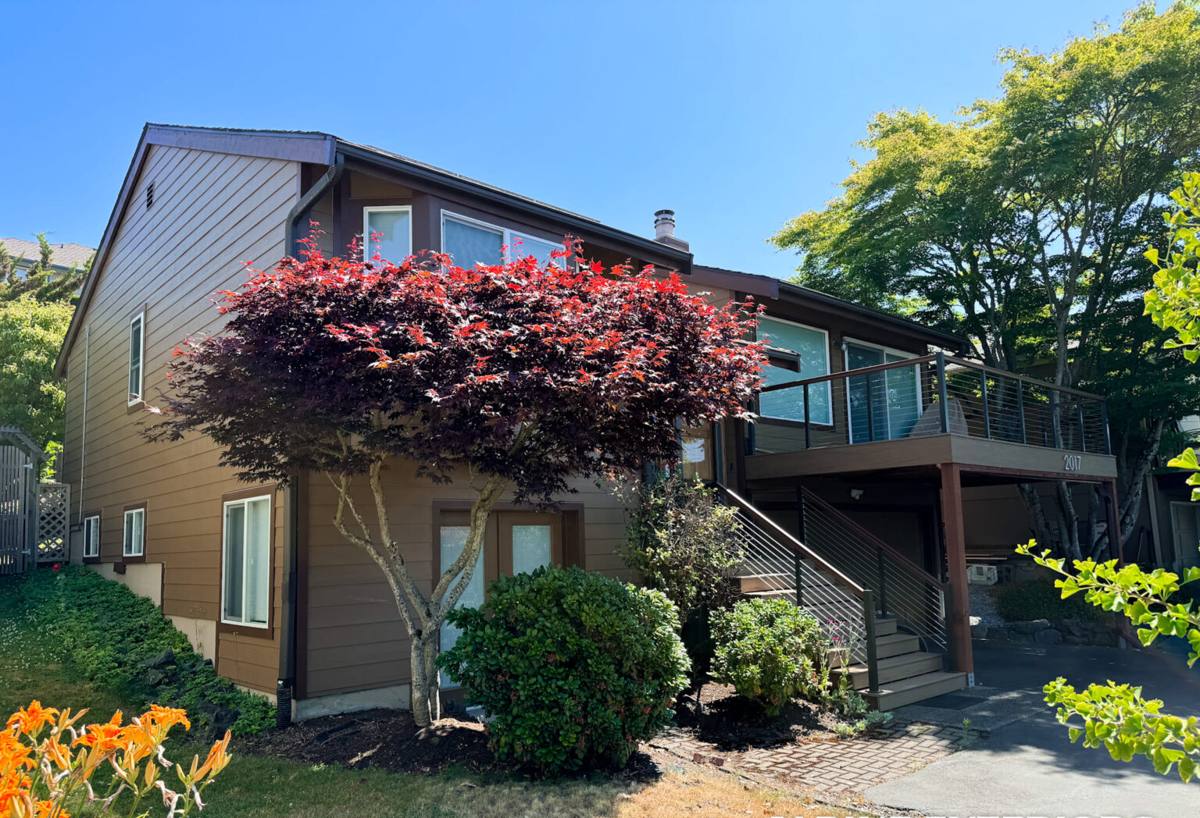
What "Custom" Actually Means Here
Custom doesn't mean expensive for its own sake. It means the window is built and installed to match the actual opening and the actual house, rather than forcing a stock size into a rough opening and papering over the gaps. Queen Anne's housing stock spans early-1900s craftsman and foursquare homes, Tudor-influenced houses from the 1920s and '30s, mid-century remodels, and newer infill construction — and each of those has different rough opening dimensions, trim profiles, and wall depths. A one-size approach almost always means compromises: shims, extra caulk, or a window that looks slightly wrong from the street.
Matching Sightlines and Trim on Older Homes
On an older Queen Anne house, we measure the existing opening, sash proportions, and exterior trim before recommending anything. The goal is a window that reads correctly with the home's original character — matching sightlines, muntin patterns where applicable, and trim reveal — rather than a modern window that technically fits but looks out of place next to original siding and casing.
Frame Material Options
Frame material is one of the biggest decisions, and it should be driven by exposure and maintenance tolerance, not just upfront cost.
| Material | How it handles PNW moisture | Maintenance | Typical fit |
|---|---|---|---|
| Vinyl | Won't rot; seams and welds need to be well-made to stay watertight over decades | Low | Budget-conscious replacements, rear or side elevations |
| Fiberglass | Very stable in wet/dry and hot/cold cycling; holds paint and seals well | Low-moderate | Street-facing homes, higher wind/rain exposure spots on the hill |
| Wood-clad | Exterior clad in vinyl/aluminum protects the wood; interior wood needs the cladding to stay intact | Moderate | Historic-character homes wanting real wood interiors |
| Aluminum | Durable but conducts cold and needs a thermal break to avoid condensation | Low | Modern/contemporary remodels |
The Moisture Problem Isn't the Window — It's the Opening
Most window failures we see in Seattle aren't the glass or the sash. They're water getting behind the frame through the rough opening and sitting there, because the opening wasn't flashed and sealed correctly during installation — sometimes decades ago, sometimes on a recent job done fast. Once water gets past the exterior surface, it can sit against sheathing and framing for a long time before anyone notices, especially in a climate where things rarely get a chance to fully dry out between rain events.
Flashing and Water Management Details
A correct installation builds in redundancy: a sloped sill pan so any water that gets past the window drains back out instead of pooling, flashing tape integrated with the home's weather-resistive barrier in the right shingle-lap order (so water always sheds outward, never into a seam), and sealant used only where it belongs — not as a substitute for proper flashing. As a siding contractor, this is territory we're in constantly, because window openings and siding systems have to work together as one water-management plane, not two separate trades that happen to meet at the same wall.
How Our Process Works
We keep the process straightforward and don't skip steps to save a day on the schedule.
- On-site assessment of each opening, including a look at the surrounding siding, trim, and any signs of past water intrusion.
- Precise measurement and material selection based on exposure, home style, and your priorities (energy performance, appearance, budget).
- Removal of the old window with a check of the sheathing and framing underneath before anything new goes in.
- Repair of any rot or damage found — this gets addressed and documented, not covered up.
- Installation with sill pan flashing, properly lapped weather-resistive barrier integration, and manufacturer-specified fastening.
- Interior and exterior trim finish work to match the surrounding materials.
- Final walkthrough and operation check on every window installed.
Signs Your Windows Need Attention
Homeowners on the hill often notice comfort or draft issues before they notice actual damage. Watch for:
- Visible moss or dark staining building up on sills or the siding directly below a window
- Fogging or a hazy film between panes of double-glazed glass — a sign the seal has failed
- Windows that are difficult to open, close, or lock, or that have started to sag in the frame
- Noticeable drafts or a cold feeling near the frame even when the window is fully closed
- Soft or spongy trim or sill wood when pressed
- A jump in heating costs without any other explanation
- Paint that keeps peeling or bubbling on the exterior trim around the frame
Any one of these on its own isn't necessarily an emergency, but a couple together — especially staining plus a soft sill — usually means water has already gotten into the wall assembly and it's worth having someone look before it's replaced anyway during a future remodel.
Energy Performance in a Marine Climate
Seattle's climate is mild compared to much of the country, so the energy conversation here is less about extreme cold and more about consistent comfort and condensation control through a long, damp winter. Double-pane glass with a low-E coating is the practical standard for most Queen Anne replacements — it cuts heat loss, reduces UV fading on interior furnishings, and helps keep interior glass surfaces from sweating during cold, humid stretches. Argon-filled units add a modest efficiency bump. For homes with more western or waterfront-facing exposure, a coating tuned to cut solar heat gain can help with the afternoon sun off the water without darkening the glass noticeably.
U-factor and condensation resistance matter more day-to-day here than the solar heat gain numbers that dominate window shopping in sunnier climates — that's a King County-specific way to think about the spec sheet, not a national default.
Why Local Experience on Queen Anne Specifically Matters
Queen Anne isn't a flat, uniform grid — it's a hill with real variation in wind exposure, sun angle, and drainage from block to block, and the housing stock ranges from century-old homes to recent construction. A crew that regularly works this neighborhood already has a feel for which elevations take the worst weather, how older Queen Anne trim details are typically built, and how to sequence a window replacement around siding, gutters, and drainage that's already in place. That local pattern recognition shows up in fewer surprises once a wall is opened up, and in trim and flashing work that actually matches what's already on the house.
What Affects Cost
Every job is different, but the main variables that move the price on a Queen Anne window project are consistent:
| Factor | Why it matters |
|---|---|
| Frame material | Vinyl is typically the most affordable; wood-clad and premium fiberglass cost more |
| Number and size of openings | Larger or custom-shaped windows (arched, oversized) take more material and labor |
| Condition of the existing opening | Rot repair or reframing adds time before the new window can go in |
| Access and elevation | Upper-floor or steep-hill access on Queen Anne's terrain can require staging or lift equipment |
| Trim and finish work | Matching historic trim profiles takes more skill and time than standard trim |
| Glass package | Low-E coatings, argon fill, and solar control glass each add incrementally to cost |
Keeping New Windows Performing for the Long Run
A correctly installed custom window shouldn't need much attention, but the Seattle climate rewards a little routine care: rinsing sills and tracks periodically to keep moss and organic buildup from taking hold, checking exterior caulking lines once a year for cracking or gaps, and making sure gutters and downspouts near window openings stay clear so water isn't sheeting down across the glass and frame during heavy rain. None of this is complicated, but skipping it is how a well-installed window ends up looking neglected within a few wet seasons.
If you're noticing drafts, moisture staining, or windows that just don't operate the way they used to, we're happy to take a look and walk you through honest options for your specific home. Reach out for a free, no-pressure estimate using the form below.