 Seattle Siding
 Why Columbia City Decks Wear Out Faster Than People Expect
Columbia City sits in one of Seattle's older, tree-shaded neighborhoods, and that character comes with a trade-off for anything built outdoors. Decks here spend months at a time under a fine, persistent drizzle, then get shaded by mature trees that keep boards from ever fully drying out. Add in the salt-tinged marine air that rolls through the Puget Sound region and King County's long, gray moss season, and you have a near-perfect setup for slow structural decay that isn't always visible from the surface.
Most deck problems we see in this part of Seattle aren't dramatic collapses — they're gradual. A ledger board that's been trapping moisture against the house for three winters. Joist hangers that have rusted enough to lose their grip strength. A support post base that's been sitting in standing water at grade. None of it looks urgent from the top of the deck, which is exactly why so many repairs get put off until a board finally gives way underfoot.
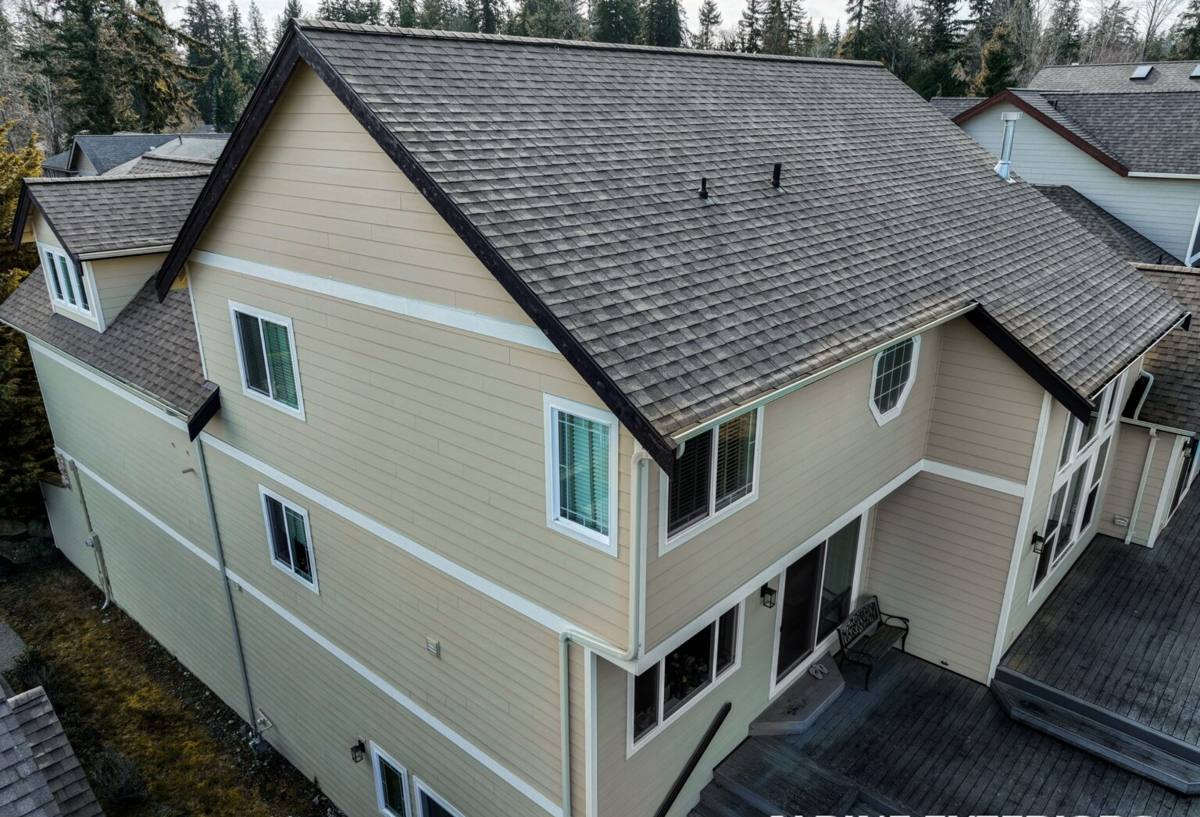
Signs Your Deck Needs Repair, Not Just a Cleaning
A pressure wash and a fresh coat of stain can make an old deck look presentable again, but cosmetic work doesn't fix what's happening underneath. Homeowners in Columbia City should treat any of the following as a repair conversation, not a maintenance one:
- Soft, spongy, or springy spots when you walk across the decking
- Green or black staining that keeps coming back within weeks of cleaning
- Visible gaps or separation where the deck meets the house (the ledger board)
- Rust streaks running down from screws, nails, or joist hangers
- A railing that wiggles or flexes when you lean on it
- Stair stringers that feel uneven or slightly bouncy
- Standing water that doesn't drain within an hour or two after rain stops
Any one of these on its own might be minor. Two or three together usually mean moisture has been working on the structure for a while, and it's worth having someone look underneath rather than just at the walking surface.
What a Correct Deck Repair Actually Involves
A lot of "deck repair" in this region amounts to swapping a few obviously rotten boards and calling it done. That fixes what you can see, but it skips the parts of the deck that actually keep it safe. A thorough repair looks at the whole system:
The Ledger Connection
This is the board that bolts the deck to your house, and in a climate like ours it's the single most common failure point. If the flashing behind it has failed, water has likely been getting into the rim joist and the house framing behind it — not just the deck. We check this connection closely on every repair, because a rotten ledger is a structural problem, not a cosmetic one.
Joists, Beams, and Hardware
Joist hangers, structural screws, and post connectors are only as good as the metal they're made of. Standard galvanized hardware can corrode faster than the wood around it when it's constantly wet, which is common with today's ACQ-treated lumber. We look for rust, pitting, and loose fasteners, and we replace hardware with connectors rated for the treated lumber and moisture exposure typical of Seattle decks.
Posts, Footings, and Drainage
Posts that sit directly on soil, or footings that were never poured to the right depth, tend to hold moisture right where the wood is weakest. Part of a real repair is checking how water moves under and around the deck, and correcting drainage issues so the fix doesn't just rot out again in a few years.
Guardrails and Stairs
Railings and stairs take the most abuse and carry the most liability if they fail. We check post attachment, baluster spacing, and rail height against current code, not just against how the deck was originally built — a lot of older Columbia City decks were built before today's guardrail standards.
Repair vs. Rebuild: How We Decide
Not every deck problem needs a full rebuild, and not every deck is worth patching. We base the recommendation on what we find in the structure, not on the age of the deck alone.
| Situation | Typical Approach | Rough Cost Factor |
|---|---|---|
| A few rotten boards, structure otherwise sound | Board and hardware replacement | Lower — smallest scope |
| Failing ledger flashing, rest of frame intact | Ledger repair with proper flashing detail | Moderate — labor-intensive but targeted |
| Multiple rotten joists or a compromised beam | Partial structural rebuild | Higher — framing plus decking |
| Undersized footings, widespread rot, outdated railings | Full deck rebuild | Highest — closer to new-deck pricing |
As a broad guideline, straightforward board and hardware repairs on a typical residential deck often land in the low thousands of dollars, while structural work involving framing or footings climbs from there. We'll always give you the actual number for your deck after an inspection — we don't quote sight unseen, because two decks that look similar from the yard can have very different problems underneath.
Our Deck Repair Process
- Inspection. We walk the deck, check underneath, and test the ledger, posts, and railings by hand — not just a visual look from a distance.
- Written scope. You get a clear explanation of what's failing, why, and what it will take to fix it correctly — including anything we think can reasonably wait.
- Repair or rebuild. We replace framing, hardware, and decking to current structural standards, not just to match what was there before.
- Flashing and drainage correction. Any repair touching the ledger or a support post includes fixing the water management detail that caused the problem in the first place.
- Final walkthrough. We check the deck with you before we consider the job finished — railings, stairs, and decking all get a hands-on test.
Decking Material: What Holds Up in This Climate
When we're replacing decking boards as part of a repair, homeowners usually ask about wood versus composite. Both can work well here — the right answer depends on your budget and how much upkeep you want to take on.
Pressure-Treated and Cedar Wood
Wood is less expensive up front and easy to spot-repair board by board later. The trade-off is that it needs regular cleaning and sealing to resist the moss and mildew that thrive in our wet, shaded conditions — skip that maintenance for a couple of seasons and you're back to the problems that likely brought you to us in the first place.
Composite Decking
Composite boards resist rot and don't need staining, which appeals to a lot of homeowners who are tired of the maintenance cycle. It costs more initially, and it still needs occasional cleaning — composite can grow moss and algae just like wood if it stays shaded and damp, it just won't rot from it. The framing underneath still needs to be built correctly regardless of what decking material sits on top.
We'll walk you through both options honestly, including what each one actually costs to own over time, not just to install.
Permits, Code, and Safety
Structural deck work in Seattle — replacing a ledger, framing, footings, or guardrails — generally requires a permit and inspection through the city. This isn't a formality we skip to save time. Permitted work gets checked against current structural and safety code, including guardrail height, baluster spacing, and lateral load connections that many older decks in King County were never built with. We handle the permitting process on jobs that require it, so you're not left navigating city requirements on your own.
Maintenance Checklist to Extend the Life of Your Repair
Once your deck is repaired, a small amount of seasonal upkeep goes a long way in this climate. We recommend:
- Sweeping leaves and debris off the deck surface regularly through fall
- Cleaning moss and algae off boards and stairs before it builds up — it's a slip hazard as well as a moisture trap
- Checking that gutters and downspouts near the deck aren't dumping water onto or under it
- Re-sealing or re-staining wood decking on the schedule the product calls for, typically every one to three years depending on sun exposure
- Looking underneath once a year for new rust, soft wood, or standing water
- Keeping planters and rugs from sitting directly on decking boards for long stretches, since they trap moisture underneath
Why a Crew That Already Works in Columbia City Matters
Deck repair done wrong in a dry climate might last a decade before problems show up. Done wrong here, with our rain patterns and moss season, the same shortcuts can fail in a fraction of that time. Working regularly on homes throughout Seattle and King County means we're used to diagnosing moisture damage that isn't obvious yet, sourcing hardware that actually holds up in this environment, and building repairs that account for how much water a Columbia City deck sees in an average year — not a generic national standard.
If your deck has soft spots, rust stains, persistent moss, or just feels less solid than it used to, we're happy to take a look and give you an honest read on what it needs. Reach out for a free, no-pressure estimate using the form below.