 Seattle Siding
 Deck Repair Built for Green Lake's Wet, Shaded Yards
Green Lake is one of the greener, more tree-canopied pockets of Seattle, and that's exactly what makes its decks age differently than decks in more open parts of King County. Mature trees mean more shade, more falling debris, and more standing moisture that never quite gets a chance to dry between our fall-through-spring rain stretches. Add in the general moist, marine-influenced air that moves through the whole Seattle basin off Puget Sound, and you get a deck environment that punishes anything left unmaintained: soft boards, black-streaked railings, and a moss layer that can turn a deck surface slick within a season or two.
We repair decks in Green Lake regularly, and the failure patterns we see are consistent enough that we can usually tell what's wrong before we even get a tool out. This page walks through what actually goes wrong, what a correct repair looks like, and how we handle it.
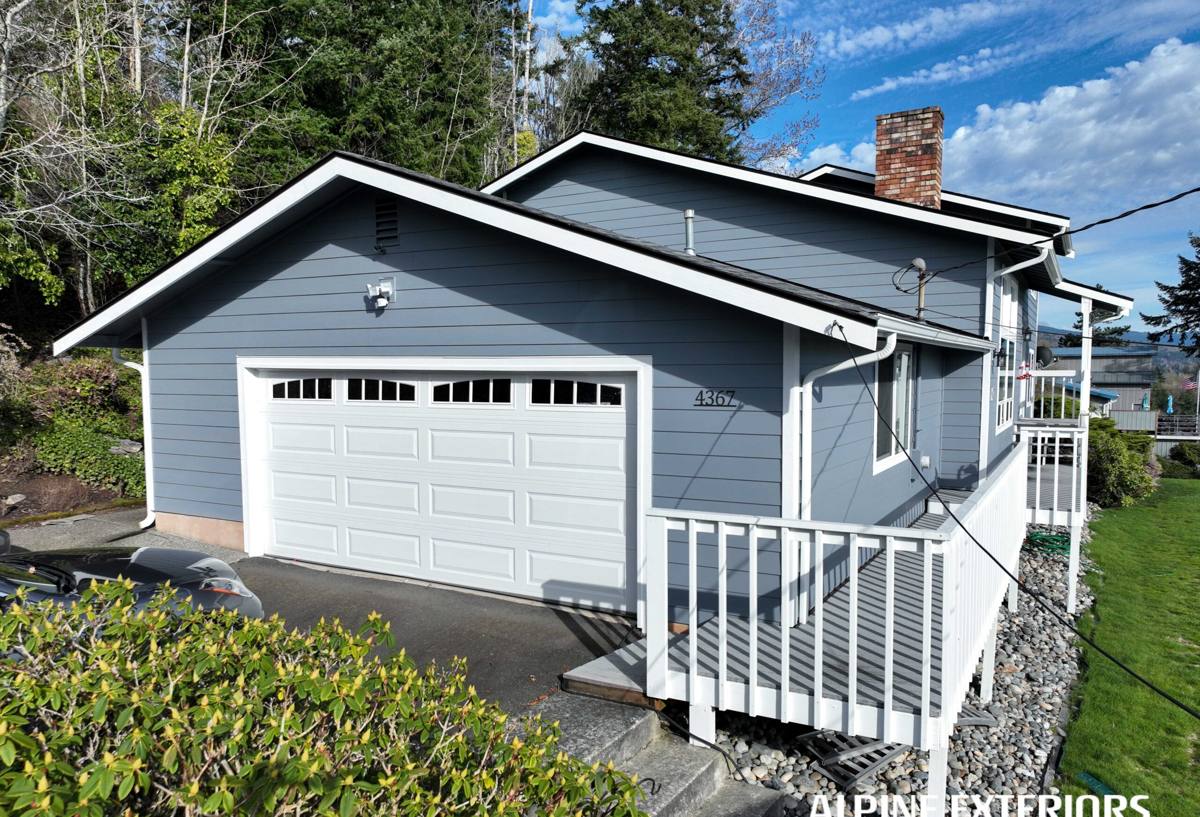
Why Green Lake Decks Take a Beating
A few things stack up against decks in this neighborhood specifically:
- Shade from mature trees slows drying time after rain, which is the single biggest driver of wood rot and moss growth.
- Leaf and needle litter collects in board gaps and against ledger boards, holding moisture against the wood instead of letting it shed.
- Long, low-intensity rain seasons mean decks stay damp for days at a time rather than getting a hard rain and then drying fast.
- Older housing stock in this part of Seattle means a lot of decks were built decades ago to codes and fastening standards that have since changed.
None of that means a deck can't last — it just means it needs the right materials, the right details at the joints and connections, and periodic attention instead of being left alone for ten or fifteen years.
Signs a Green Lake Deck Needs Repair
What to look for yourself
Most homeowners catch deck problems late because the surface can still look fine while the structure underneath is failing. Walk your deck and check for:
- Boards that feel spongy, bounce, or flex more than the boards around them
- Dark staining or a slightly sour smell near the ledger board (where the deck attaches to the house)
- Railings or posts that wiggle when pushed
- Rust streaks running from screws or nails
- Green or black film that stays slick even when the surface looks dry
- Gaps opening up between boards, or fasteners backing out
What we check that's easy to miss
The ledger board connection — where the deck framing bolts to the house rim joist — is the most safety-critical part of any deck and the hardest for a homeowner to inspect without pulling boards or getting underneath. We also check post bases for standing water contact, joist hangers for rust and pull-away, and any spot where flashing was skipped or installed wrong originally, since that's the number one cause of hidden rot in older Seattle decks.
What a Correct Deck Repair Actually Involves
Deck repair isn't just swapping out a bad board. Done right, it means understanding why that board failed so the same spot doesn't rot again in three years. Our repairs typically involve some combination of:
- Structural framing — sistering or replacing rotted joists, re-securing ledger connections, upgrading hardware to current corrosion-resistant standards
- Decking boards — replacing individual boards or full sections, matched as closely as possible in material and color
- Railings and guards — tightening or rebuilding posts and balusters that have loosened from moisture cycling
- Flashing and water management — adding or correcting flashing at the ledger board and any place decking meets the house, which is the single most common gap we find on older repairs
- Fasteners — replacing corroded screws and nails with stainless or coated fasteners rated for exterior, ground-level moisture exposure
Skipping the framing and flashing work to just replace visible boards is the most common shortcut we see from past repairs, and it's why the same spot often fails again within a couple of seasons.
Repair or Replace? How We Make the Call
Not every deck problem needs a full rebuild, and not every deck is worth patching. We assess based on how much of the structure is still sound.
| Factor | Usually points to repair | Usually points to replacement |
|---|---|---|
| Framing condition | Joists and ledger are solid, problem is isolated | Rot has spread through multiple structural members |
| Age of deck | Newer deck, single localized failure | Original deck is old and near the end of its service life |
| Extent of damage | Contained to a few boards or one section | Rot, moss, or soft spots spread across the surface |
| Code compliance | Railings, spacing, and attachment already meet current standards | Old railing height, spacing, or ledger attachment doesn't meet current code |
| Budget goal | Extend usable life a number of years affordably | Want a long-term reset and possibly a material or layout change |
We'll always tell you honestly which side of that line your deck falls on. If a repair is the right call, we're not going to talk you into a replacement — and vice versa.
Our Deck Repair Process
- On-site assessment — we walk the full deck, check underneath where accessible, probe suspect boards, and inspect the ledger and post connections
- Written scope — you get a clear explanation of what's failing, why, and what it takes to fix it correctly, not just a list of boards to swap
- Repair work — framing and hardware first, then decking, railings, and flashing details, in that order so nothing is closed up over an unresolved problem
- Final check — we confirm the repaired sections are solid, fasteners are set, and water is directed away from the house rather than trapped against it
We keep the process straightforward because deck repair doesn't need to be complicated — it needs to be done in the right order with attention to the parts nobody sees once the boards go back down.
Moss, Algae, and Green Lake's Shaded Lots
Because so many Green Lake properties sit under tree cover, moss and algae growth on deck surfaces is one of the most common calls we get — and it's often mistaken for a surface problem when it's really a drainage and airflow problem. Moss holds moisture directly against the wood fibers, which accelerates rot underneath a surface that can still look mostly fine from a few feet away. Where growth is heavy and recurring, we look at whether the board spacing, deck height off the ground, or surrounding landscaping is starving the deck of airflow and sun, and address that alongside the repair itself — otherwise the same moss problem just comes back the following wet season.
Materials We Use
Wood decking
For wood repairs, we match species and treatment to what's already on the deck where possible, and use fasteners and connectors rated for ground-contact, high-moisture exposure — standard hardware-store fasteners corrode fast in a climate this consistently damp, and that corrosion is a repeat cause of failures we get called out to fix a second time.
Composite decking
Composite repairs require matching board profiles and hidden fastener systems correctly, since mismatched composite boards are visually obvious in a way wood touch-ups usually aren't. We're upfront when a composite repair won't blend seamlessly — sometimes the honest answer is repairing a full run of boards rather than one or two, so the result doesn't look patched.
Flashing and hardware
Regardless of decking material, we treat ledger flashing and structural hardware as non-negotiable. This is the part of a deck repair that's invisible once finished but determines whether the fix lasts five years or fifteen.
Why Hire a Crew That Already Works in Green Lake
Deck problems in this neighborhood follow patterns — shade-driven moss, ledger moisture from long rain stretches, older framing that predates current hardware standards. A crew that already works Green Lake regularly recognizes those patterns immediately instead of treating every deck as a blank slate. That means a faster, more accurate assessment, and repairs that account for how this specific microclimate treats a deck over time rather than a generic fix pulled from a different part of the country.
It also means we're not guessing at permitting or code expectations for King County jobs — we know what current railing and structural standards require, and we'll flag it if an older deck needs an upgrade to meet them during the repair.
Before You Hire Anyone: A Quick Checklist
- Do they inspect underneath the deck and at the ledger, not just the walking surface?
- Do they explain why a board or section failed, not just offer to replace it?
- Do they use corrosion-resistant fasteners and hardware suited to a wet climate?
- Do they address flashing and water management, not just cosmetic repair?
- Are they willing to tell you honestly if repair isn't the right call and replacement is?
If a deck repair estimate skips straight to a price without answering those questions, it's worth getting a second opinion.
If your Green Lake deck has soft spots, moss buildup, loose railings, or you're just not sure whether it needs repair or replacement, we're happy to take a look. Reach out using the form below for a free, no-pressure estimate — we'll give you a straight answer about what's actually going on and what it would take to fix it right.