 Seattle Siding
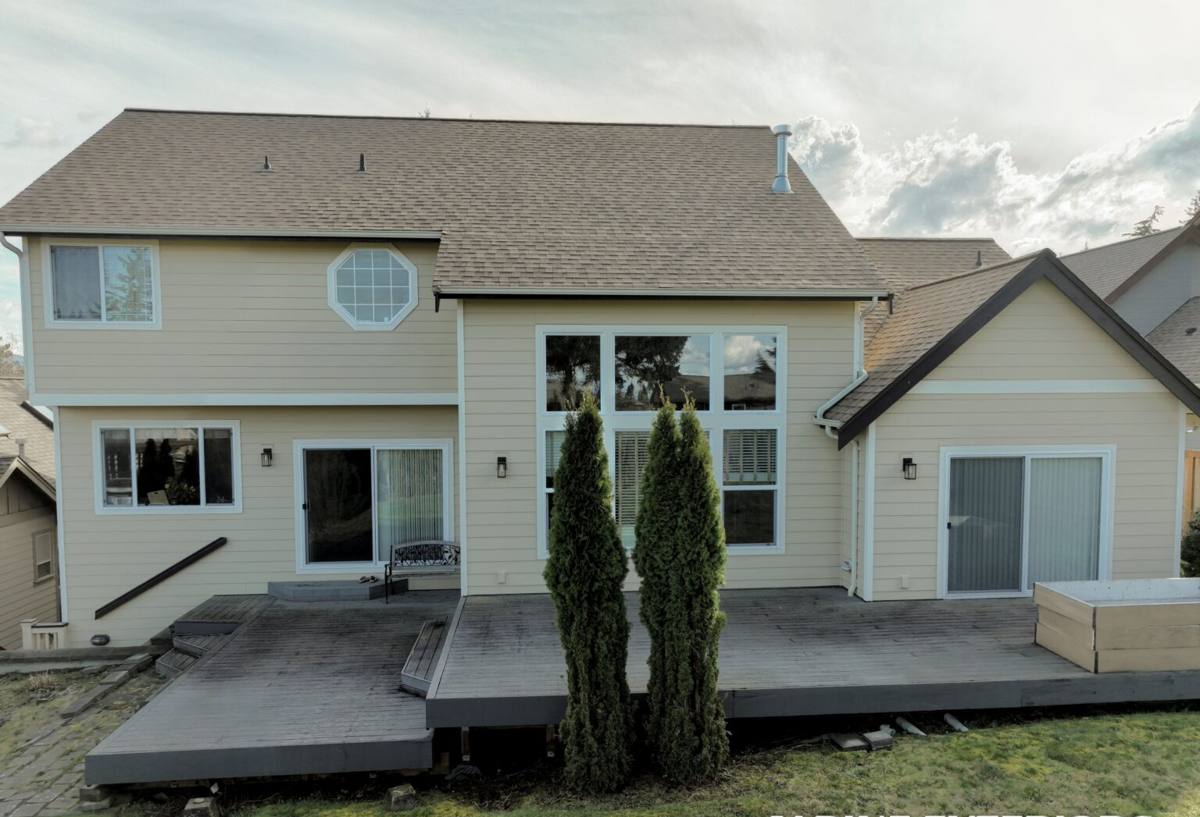
 Deck Replacement in Beacon Hill
Beacon Hill sits up on a ridge with some of the best views in Seattle, and that elevation and exposure come with a cost: decks up here take a real beating from the weather. Between salt-tinged air moving in off Puget Sound, driving rain that comes in sideways during the wet months, and a moss season that can stretch from October through May, an aging deck in this neighborhood doesn't just look tired — it's often quietly failing underneath. If you're noticing soft spots, green film that won't scrub off, or boards that have started to cup and split, it's worth having a straight conversation about replacement rather than another round of patching.
We're a Seattle-based siding and exterior crew that works King County neighborhoods regularly, and deck replacement is one of the jobs we get called back to do right after someone else's repair didn't hold up. This page covers what actually goes into a proper deck replacement for a home in Beacon Hill's climate, what separates a durable job from one that fails again in five years, and how our process works from first look to final walkthrough.
Why Beacon Hill Decks Wear Out Faster Than You'd Expect
A deck built to a generic national spec doesn't hold up the same way here as it would in a drier climate. A few things are working against wood and fasteners on this side of the country:
- Prolonged moisture exposure. Seattle's rainy season isn't just about total rainfall — it's the number of consecutive damp days. Wood that never fully dries out between rain events stays vulnerable to rot far longer each year than it would somewhere with distinct wet and dry stretches.
- Moss and algae growth. Shaded sections of a deck, especially ones under trees or on the north side of a house, stay damp long enough for moss to take hold. Moss holds water against the wood surface and works into any gap in the finish, accelerating decay from the top down.
- Salt-influenced air. Beacon Hill's elevation and proximity to the Sound mean fasteners, brackets, and any exposed metal hardware are exposed to a mildly corrosive environment over time. Standard hardware that's fine for an inland, dry climate can corrode faster here.
- Freeze-thaw cycling. It doesn't happen every week, but King County does get cold snaps. Water that's soaked into checked or cracked wood and then freezes expands those cracks further, which speeds up structural failure in boards and ledger connections that are already compromised.
None of this means a deck can't last in this climate — it means the materials, fasteners, and construction details have to be chosen with these specific stresses in mind, not just copied from a spec sheet written for a different region.
Signs Your Deck Is Due for Replacement, Not Repair
Not every deck problem means starting over. But there's a point where patching individual boards is throwing money at a structure that's already compromised underneath. Here's how we tell the difference on a site visit:
- Soft, spongy, or spring-back decking boards, especially near the house or in low-traffic corners
- A screwdriver or awl sinks easily into the ledger board, posts, or joists with light pressure
- Persistent moss or black-green staining that returns within weeks of cleaning
- Visible gaps opening up between the ledger board and the house siding or rim joist
- Fasteners that are rusted, backing out, or leaving dark streaks down the wood
- Railings that flex or feel loose when you lean on them
- Multiple boards cupping, splitting, or delaminating (common on lower-grade composite)
- The deck was built more than 20-25 years ago and has never had structural connectors added
If you're seeing two or more of these, especially anything involving the ledger board or support posts, that's a structural conversation, not a cosmetic one. Surface staining or a few worn boards on an otherwise sound frame is a different, cheaper fix.
What a Correct Deck Replacement Actually Involves
The Structure Comes First
The decking boards are the part everyone sees, but the ledger board, posts, beams, and joists are what actually keep a deck safe. A correct replacement means checking or rebuilding the ledger connection with proper flashing so water can't get trapped between the deck and the house, confirming post footings meet current frost depth and bearing requirements, and installing joist hangers and structural connectors rated for the load and exposure. This is also where corrosion-resistant, code-rated fasteners matter — in a damp climate, the hardware holding the frame together is not the place to save money.
Drainage and Airflow Underneath
A huge share of deck failure in this region isn't from rain hitting the top — it's from moisture that gets trapped underneath and never dries out. Proper spacing between boards, grading underneath the deck so water sheds away from the house, and keeping vegetation from crowding the underside all matter more here than in drier climates. We pay attention to this even on jobs where it would be invisible once the deck is finished, because it's the difference between a deck that lasts 10 years and one that lasts 25.
Material Selection for This Climate
We'll walk through the honest trade-offs for your situation rather than pushing one product. Broadly:
| Material | How it handles our climate | Maintenance |
|---|---|---|
| Pressure-treated lumber | Good rot resistance when properly sealed and maintained; needs re-staining or sealing on a regular cycle to stay ahead of moisture | Higher — annual or biannual sealing recommended |
| Cedar | Naturally moisture and insect resistant, ages to a gray patina if left unsealed; still benefits from sealing in a wet climate | Moderate to higher, depending on desired appearance |
| Composite decking | Resists rot and doesn't need staining, but board quality varies a lot between manufacturers; lower-grade composite can still trap moisture at fastener points | Lower — occasional cleaning, no staining |
| PVC decking | Fully synthetic, very resistant to moisture and moss staining; typically the highest upfront cost | Lowest |
For a shaded, moss-prone lot in Beacon Hill, we'll often lean homeowners toward composite or PVC for the field decking specifically because it doesn't give moss and algae the organic surface they thrive on — but wood is still a sound choice if you're willing to keep up with sealing on schedule. We won't tell you a product is bad; we'll tell you what it costs you in upkeep versus upfront price, so you're choosing with full information.
How We Approach a Deck Replacement Project
- On-site assessment. We look at the existing structure from the ground up — ledger, posts, footings, joists — not just the surface boards, and check for the drainage and moisture issues specific to the lot.
- Honest scope conversation. We tell you what's structural (non-negotiable) versus what's a preference (decking material, railing style, finish), and what each choice costs in materials and long-term upkeep.
- Permitting where required. Deck replacements involving structural changes or footing work typically require a Seattle permit; we handle that process so it's not a surprise partway through.
- Demolition and disposal. The old deck comes out cleanly, with attention to protecting the siding and foundation connection points underneath.
- Rebuild from the ground up. Footings, framing, ledger flashing, and structural connectors go in first and get inspected before decking goes down.
- Decking, railing, and finish work. Boards, railings, and stairs are installed to the spacing and fastening details appropriate for our climate.
- Final walkthrough. We go over the finished deck with you, including what maintenance (if any) your chosen material needs going forward.
Why a Local Crew Matters for This Job
Deck work isn't the same job in every part of the country, and it isn't even quite the same job in every part of Seattle. A crew that regularly works in Beacon Hill and nearby King County neighborhoods already knows how the local moss season behaves on shaded, tree-covered lots, what the permitting process through the city actually requires, and which structural details tend to get skipped by out-of-town or low-bid crews chasing a quick turnaround. We're not learning the climate on your project — we've already seen what five, ten, and twenty years of Seattle weather does to different materials and construction methods, and we build accordingly.
Being local also means we're reachable after the job is done. If something needs a look two years down the road, you're calling a crew that's still working in your neighborhood, not chasing down a company that did one job in the area and moved on.
What Drives the Cost of a Deck Replacement
Every deck is different, but a few factors consistently move the price up or down more than anything else:
| Cost factor | Why it matters |
|---|---|
| Deck size and footprint | More square footage means more material, more labor hours, and more footings |
| Structural condition underneath | Rotted framing, failed footings, or a compromised ledger connection add rebuild scope beyond the visible decking |
| Decking material chosen | Pressure-treated lumber, cedar, composite, and PVC span a wide price range and affect long-term maintenance cost too |
| Height and stairs | Elevated decks with multiple stair runs and taller railings require more framing and code-compliant guardrail work |
| Permit and inspection requirements | Structural changes typically require permitting, which adds time and a modest fee but protects you long-term |
| Site access | Steep Beacon Hill lots or limited access for material delivery and demolition disposal can add labor time |
Because of how much these factors vary from house to house, we don't publish a flat price — but we'll give you a clear, itemized number after seeing the actual site and structure, not a vague ballpark that changes once work starts.
Before You Hire Anyone for a Deck Replacement
A few things worth checking before you sign a contract, whether it's with us or anyone else:
- Confirm the contractor is licensed and insured to do structural work in Washington, not just decking installation
- Ask specifically whether they're pulling a permit for structural changes — if they say it's not needed and the project involves footings or ledger work, get a second opinion
- Get the fastener and hardware spec in writing, not just the decking board brand
- Ask how they handle ledger board flashing — this is the single most common source of hidden rot on Seattle decks
- Make sure footing depth and post spacing are addressed, not just assumed to match the old deck
A deck replacement done right isn't just about how it looks the day it's finished — it's about whether it's still solid a decade from now, after another dozen wet Seattle winters have had their chance at it. If you're weighing repair versus replacement, or you just want an honest read on what your current deck actually needs, we're happy to come take a look and talk through it — no pressure, no obligation. Fill out the form below for a free estimate.