 Seattle Siding
 Windows Built for How Green Lake Actually Lives
Green Lake is one of those Seattle neighborhoods where people are outside a lot — walking the loop, out on the water, in and out of the yard. That means windows here do double duty: they need to keep the house comfortable through a damp Pacific Northwest winter, and they need to hold up to a lot of open-and-close use without the frames swelling, sticking, or letting in drafts. A lot of the housing stock around the lake includes older bungalows and craftsman-style homes from decades past, many still running original single-pane or early double-pane windows that were never built for today's energy expectations.
When we talk about "energy-efficient windows" for a Green Lake home, we're not just talking about a sticker on the glass. We're talking about how the whole assembly — frame, glass, spacer, and installation — performs together against King County's specific weather pattern: long stretches of rain, high humidity, cool damp air for much of the year, and enough moss and mildew pressure that any weak point in a window's seal or trim gets found out eventually.
What Seattle's Climate Actually Does to Windows
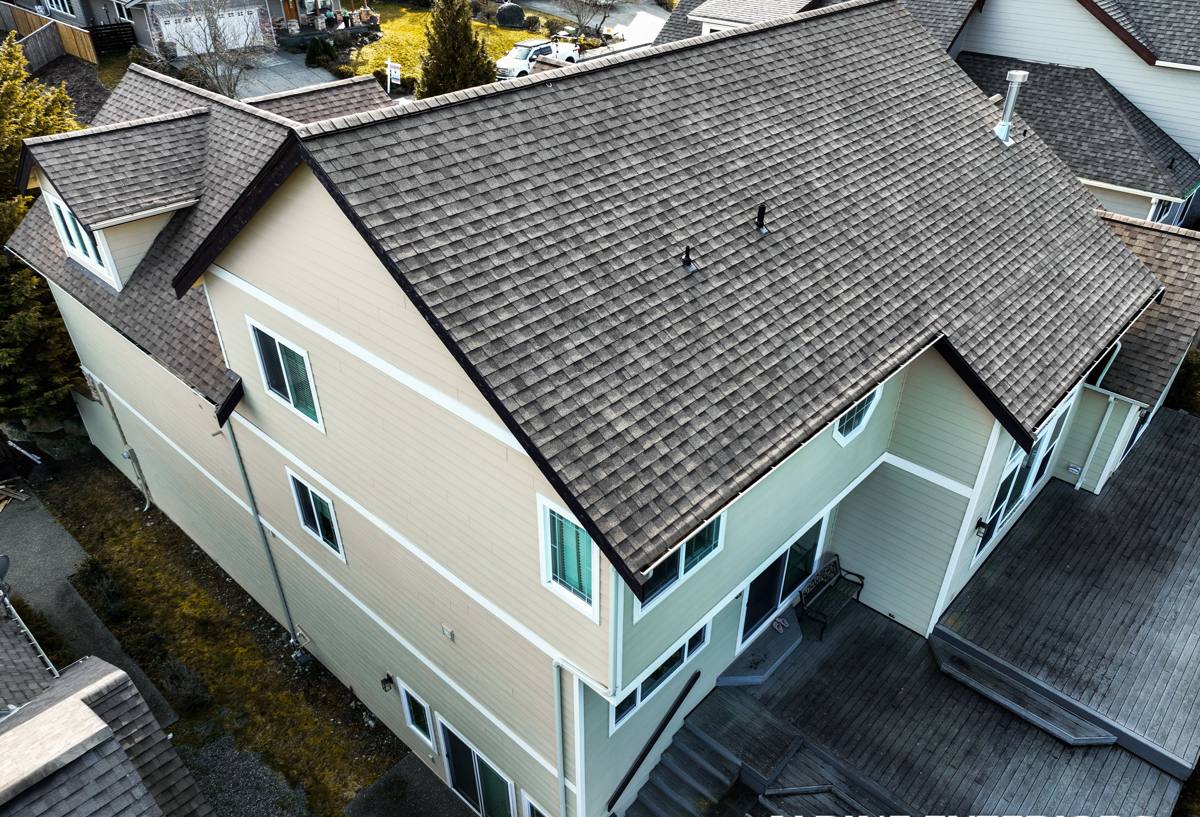
Seattle doesn't get the freeze-thaw cycles that crack windows in colder climates, but our climate has its own way of wearing things down. Puget Sound's marine air keeps humidity high nearly year-round, and even inland around the lake, homes sit inside that same damp, moisture-heavy air mass. Combine that with driving rain that comes in sideways during winter storms, and you get conditions that expose every weak seal, every gap in flashing, and every spot where old caulk has given up.
- Constant moisture exposure — wood and vinyl frames that aren't properly sealed absorb water over time, leading to swelling, rot, or warping.
- Driving rain — wind-driven rain finds horizontal gaps that vertical rain would never reach, which is why flashing and sill pan details matter as much as the window unit itself.
- Moss and mildew season — anywhere moisture sits and doesn't dry out fully, especially on north-facing walls or shaded window trim, moss and mildew take hold and slowly break down caulking and wood trim.
- Low winter sun angle — Seattle's short winter days mean less passive solar gain, so glass performance (not just air sealing) affects heating bills more than people expect.
None of this is dramatic on its own. It's cumulative. A window that's "fine" for five years starts fogging between panes, feeling drafty near the sash, or letting condensation build up on the inside glass — all signs that the seal or the installation has started to fail.
Signs a Green Lake Home Needs New Windows
Homeowners around the lake usually come to us for one of a few reasons. Recognizing these early saves money — a window that's failing but still technically functional is a lot cheaper to replace on your own schedule than after it fails outright.
Common warning signs
- Fogging or a hazy film between the panes of a double-pane window — this means the seal has failed and the gas fill (if any) is gone.
- Visible condensation on the inside of the glass during cold mornings, especially in bathrooms and kitchens.
- Drafts you can feel near the frame even when the window is fully latched.
- Wood sills or frames that feel soft, spongy, or show paint bubbling.
- Moss or dark streaking building up on the exterior trim around the window opening.
- Rooms near the lake-facing or west side of the house that are noticeably harder to heat in winter.
What Correct Installation Involves
The window itself is only part of the job. In our experience, most window failures we get called out to inspect in Seattle aren't a bad product — they're a bad install, usually missing or improper flashing and sealing at the rough opening. In a climate where wind-driven rain is the norm rather than the exception, that detail work is what actually determines whether a window performs for 20+ years or starts leaking in year three.
What a correct job looks like
- Remove and inspect the opening. We pull the old window and check the sheathing and framing underneath for hidden rot or moisture damage before anything new goes in — a step that's easy to skip and easy to regret skipping.
- Install a proper sill pan and flashing. This directs any water that does get past the window out and away from the wall assembly, rather than letting it sit against wood framing.
- Air-seal and insulate the gap between the window frame and the rough opening — not just caulk on the outside, but proper backer rod and sealant, plus low-expansion foam or insulation in the cavity.
- Set the window level, plumb, and square so the sash operates smoothly and the weatherstripping seals evenly all the way around.
- Finish and seal the exterior trim with materials and caulking rated for continuous UV and moisture exposure, not a generic interior-grade product.
Choosing the Right Window for a Green Lake Home
There's no single "best" window — the right choice depends on the home's age, exposure, and your budget. What we focus on with homeowners is matching frame material and glass package to how that particular house sits: how shaded it is, which direction it faces, and how much moisture exposure that side of the house gets.
| Factor | What to Consider |
|---|---|
| Frame material | Vinyl offers low maintenance and good insulation value at a lower cost; fiberglass and wood-clad options offer more rigidity and a different look but come with different upkeep needs. |
| Glass package | Double-pane with a low-E coating is the practical baseline for our climate; triple-pane adds cost but can be worth it on noise-heavy or west-facing exposures. |
| Gas fill | Argon-filled units improve insulation value over standard air fill and are standard on most quality double-pane windows today. |
| Frame color and finish | Darker exterior finishes absorb more heat and can affect frame expansion over time — worth discussing if you're set on a dark trim look. |
| Operable style | Casement windows tend to seal tighter than sliders since they compress shut, which matters more on rain-exposed walls. |
We'll walk through these trade-offs with you directly rather than pushing one brand or style — the right answer really does depend on which wall of the house we're talking about.
Why We Don't Cut Corners on Sealing and Flashing
Some contractors treat window replacement as a swap-and-caulk job. We don't, because in a climate that gets this much sustained rain, a window that isn't properly flashed and sealed will eventually leak — it's just a matter of when, not if. That's why every install includes proper sill pan flashing and a full inspection of the opening before the new window goes in, even when that adds time to the job. It's a professional standard we hold ourselves to, not an upsell.
We also avoid rushing installs during the wettest stretches of the year when it can be helped, since a rushed seal in wet conditions is more likely to trap moisture before it's had a chance to cure properly.
Our Process for Green Lake Homeowners
- Free on-site estimate — we look at the actual windows and openings, not just take measurements off a form.
- Honest assessment — if a window can be repaired or resealed instead of replaced, we'll tell you.
- Clear, itemized quote — you'll know what you're paying for the units themselves versus labor, flashing, and trim work.
- Scheduled around weather — we plan installs to minimize the opening being exposed to rain.
- Walkthrough at completion — we check operation, sealing, and finish work with you before calling the job done.
Why Local Experience Matters Here
A crew that works Seattle regularly knows which walls of a Green Lake home tend to take the worst weather, where moss builds up fastest, and which older construction details (common in this part of King County) need extra attention during a window swap. That's not something you get from a national installer parachuting in for the day — it comes from doing this work, on homes like yours, in this specific climate, over and over.
If your windows are fogging, drafty, or just old enough that you're wondering whether it's time, we're happy to take a look. Reach out for a free, no-pressure estimate — we'll walk the house with you, give you an honest read on what's needed, and let you decide from there. The form below is the easiest way to get started.