 Seattle Siding
 Why Green Lake Decks Wear Differently Than Decks Elsewhere in Seattle
Green Lake is one of Seattle's greenest neighborhoods in the literal sense — mature tree canopy, lots that back up to shared green space, and a lake that keeps humidity in the air even on days when it isn't raining. That combination is hard on outdoor structures. A deck in a sun-exposed yard in another part of King County dries out between storms. A deck tucked under Douglas firs or big-leaf maples near Green Lake often doesn't get that chance — shade slows evaporation, and moisture sits on the boards, in the joints, and under the framing longer than it should.
Add in Seattle's broader marine climate — moisture carried in off Puget Sound, driving rain that comes in sideways during fall and winter storms, and a moss season that can run from October well into spring — and you've got a set of conditions that punishes decks built to a generic spec. We've built and repaired enough decks around Green Lake to know which parts of a typical build need to change for this specific environment, and which corners get cut on decks that fail early.
What a Deck Built for This Climate Actually Needs
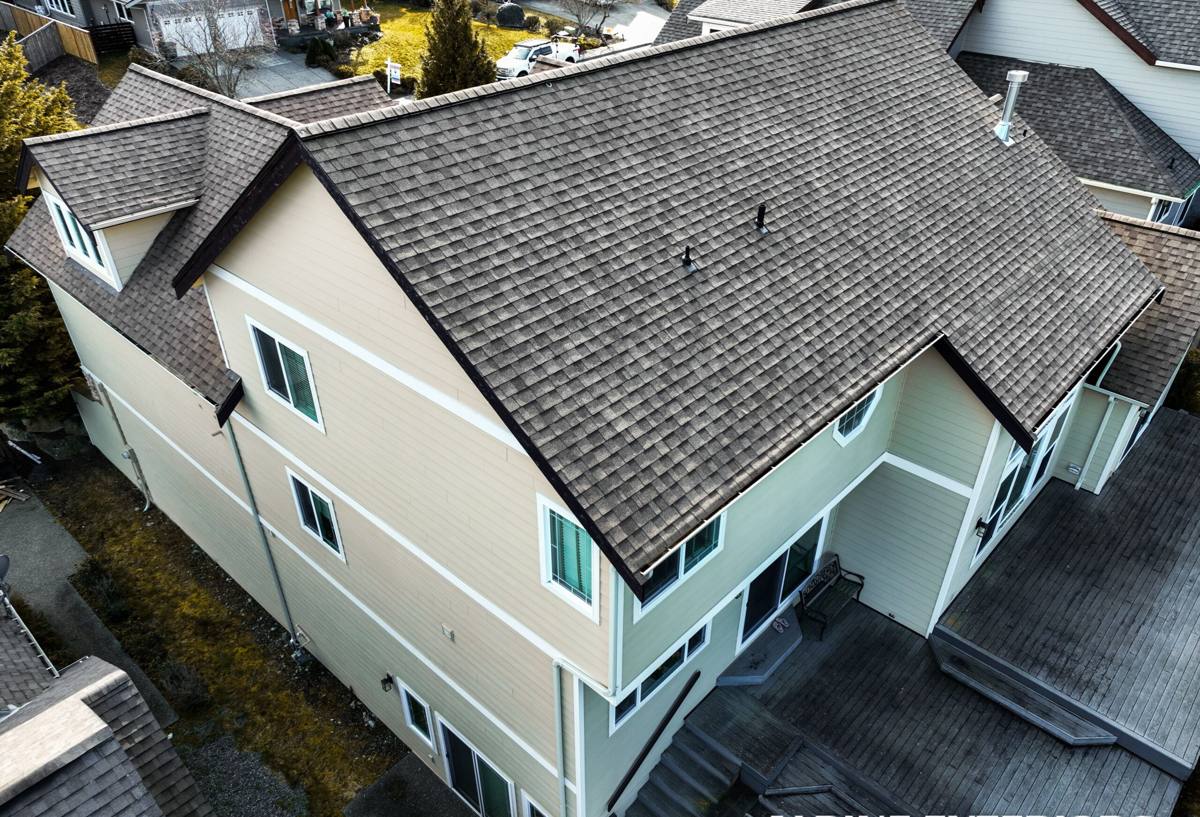
The visible parts of a deck — the decking boards, the railing, the stairs — get all the attention. But the parts that determine whether a deck lasts 10 years or 30 are mostly things you don't see once the project is done. For a shaded, moisture-heavy lot near Green Lake, we pay particular attention to:
- Ledger board flashing. Where the deck attaches to the house is the single most common source of hidden rot. Proper flashing and a drainage gap behind the ledger keep water from wicking into the house framing.
- Joist protection. Uncapped or poorly sealed joists trap water on their top edge, which is exactly where rot starts. We treat cut ends and use joist tape or an equivalent barrier on framing that will stay damp longer under tree cover.
- Airflow underneath. Decks built low to the ground or boxed in on shaded lots don't get enough air movement to dry out. Framing height and skirting design matter more here than on an open, sunny lot.
- Fastener selection. Standard fasteners can corrode faster in a consistently damp environment. We use fasteners rated for the decking material and exposure level, not whatever is cheapest.
- Board spacing and drainage. Gaps that are too tight trap debris and moisture between boards — exactly the conditions moss needs to take hold.
None of this is exotic. It's standard good practice applied consistently, which is the part that gets skipped when a crew is moving fast and hasn't spent much time building in shaded, tree-heavy Seattle neighborhoods.
Footings and Structural Support
Puget Sound-area soils vary block to block, and lots near Green Lake can have inconsistent fill, especially closer to the lake basin. We don't guess on footing depth or size — it's set based on the actual soil conditions on your lot and sized to the load the deck will carry, not a one-size-fits-all minimum.
Choosing the Right Decking Material for a Shaded, Lake-Adjacent Lot
There's no single "best" decking material — there's a best material for your yard, your budget, and how much upkeep you want to do. On shaded Green Lake lots, moisture resistance and how a material handles moss matter more than they would on a sunnier lot elsewhere in the city.
| Material | How it handles shade & moisture | Maintenance | Typical lifespan |
|---|---|---|---|
| Pressure-treated wood | Resists rot when properly sealed; still needs airflow to dry between rains | Annual cleaning and periodic sealing/staining | 15–20 years with upkeep |
| Western red cedar | Naturally rot- and insect-resistant, but shaded/damp cedar can gray and grow moss faster without maintenance | Periodic cleaning, oil or stain every few years | 20+ years with upkeep |
| Composite decking | Doesn't rot or splinter; textured surfaces still need periodic cleaning to prevent moss and algae buildup | Occasional washing, no sealing or staining | 25–30 years, manufacturer-dependent |
| PVC decking | Fully moisture-resistant; performs well in consistently shaded, damp conditions | Low — occasional washing | 25–30+ years |
We install all of these and will tell you honestly which one fits your specific yard. A heavily shaded lot near mature trees is a place where we'll usually steer a homeowner toward composite or PVC, or toward cedar only if they're committed to the maintenance schedule — not because wood is a bad product, but because the upkeep burden is higher when a deck doesn't get much direct sun to help it dry out.
Permits, Setbacks, and Code in Seattle
Most custom deck projects in Seattle require a permit, and the requirements depend on the deck's height, size, and proximity to property lines — which matters on the smaller, tighter lots common in older Green Lake blocks. Attached decks also need to meet current ledger attachment and guardrail standards, which have gotten more specific in recent code cycles.
We handle the permitting process as part of the job — pulling the right permit, meeting setback requirements, and building to current Seattle and King County code for guardrails, stair geometry, and structural connections. This isn't a place to cut corners: an unpermitted or non-compliant deck can become a real problem at resale or during a future insurance claim.
Our Process for a Green Lake Deck Build
- On-site consultation. We walk your yard, look at sun/shade exposure, existing drainage patterns, tree root locations, and how you actually want to use the space.
- Design and material selection. We talk through material options honestly, including trade-offs specific to your lot's shade and moisture exposure, and put together a design and quote.
- Permitting. We prepare and submit what's needed for your project and handle inspections as they come up.
- Site prep and framing. Footings, ledger attachment, and framing get built to the standard described above — not a stripped-down version of it.
- Decking, railing, and finishing. Boards, railing system, stairs, and any built-in features go in, followed by a final cleanup.
- Walkthrough. We go over the finished deck with you, including basic care specific to your material and yard conditions.
Moss, Mildew, and Long-Term Maintenance
A well-built deck near Green Lake will still need some seasonal attention — the tree cover and lake humidity that make the neighborhood pleasant to live in are the same things that feed moss growth. The goal of a correct build is to make that maintenance manageable, not to eliminate it entirely.
- Sweep leaves and debris off the deck surface regularly in fall — trapped organic matter holds moisture and speeds moss growth.
- Keep gaps between boards clear so water can drain instead of pooling.
- Wash the deck surface at least once a year with a cleaner appropriate for your material — pressure washing wood too aggressively can damage the surface.
- Check and refresh sealant or stain on wood decking on the schedule the product calls for; don't wait until it's visibly failing.
- Trim back overhanging branches where practical to improve airflow and reduce the leaf litter that lands on the deck.
- Inspect fasteners, railing connections, and stair treads once a year for looseness or corrosion.
What Affects the Cost of a Custom Deck
Every yard is different, so we quote based on your actual project rather than a flat per-square-foot number. The main factors that move the price:
| Factor | Why it matters |
|---|---|
| Size and shape | Larger decks and multi-level or non-rectangular designs require more material and labor |
| Decking material | Composite and PVC cost more upfront than pressure-treated wood but need less long-term upkeep |
| Height off the ground | Taller decks need more substantial framing, footings, and often stairs and guardrails |
| Site access and slope | Tight side yards or sloped lots near the lake basin can add labor time |
| Railing and stair details | Custom railing systems and multiple stair sections add material and install time |
| Permitting complexity | Larger or higher decks and tight setbacks can require more detailed plans and review |
We'll give you a clear, itemized quote before any work starts — no vague allowances that turn into surprise change orders.
Why It Matters That We Already Work in Green Lake
A deck built to a generic spec can look fine on installation day and still fail early in a yard like the ones around Green Lake. Knowing how shade, tree cover, and lake-driven humidity actually behave here — and building around that instead of a textbook average — is the difference between a deck that needs real attention in year five and one that's still solid in year twenty.
We also know the practical side of building in this neighborhood: typical lot sizes and setbacks, what Seattle's permitting process actually requires for a deck project, and how to work around mature trees and tight side yards without turning a straightforward build into a headache. That familiarity saves time and avoids the mistakes that come from a crew learning the neighborhood on your project.
Get a Free, No-Pressure Estimate
If you're planning a new deck or replacing one that hasn't held up to Green Lake's shade and moisture, we're glad to come take a look. There's no cost and no obligation — just a straight assessment of your yard and honest options for materials and design. Use the form below to get started.