 Seattle Siding
 Wallingford's Older Homes Need Siding That Matches How They're Built
Wallingford is one of Seattle's older, more established neighborhoods, and a lot of the housing stock reflects that — craftsman bungalows, older Seattle boxes, and mid-century homes with narrow lot lines and mature trees crowding the property. Siding on a home like this isn't just a weather shell. It's part of the architectural character, and it's usually sitting on top of decades-old sheathing, older window trim, and framing that has settled and shifted over the years. Any siding project here has to account for what's underneath, not just what goes on top.
That's a different job than sheathing a new-construction shell in a suburban development. On an older Wallingford home, we're routinely dealing with out-of-square walls, inconsistent stud spacing, layers of old paint or previous siding material, and trim details worth preserving. A crew that treats every house the same way ends up cutting corners on the parts that matter most — flashing, water management, and fitting new material to an old frame without trapping moisture behind it.
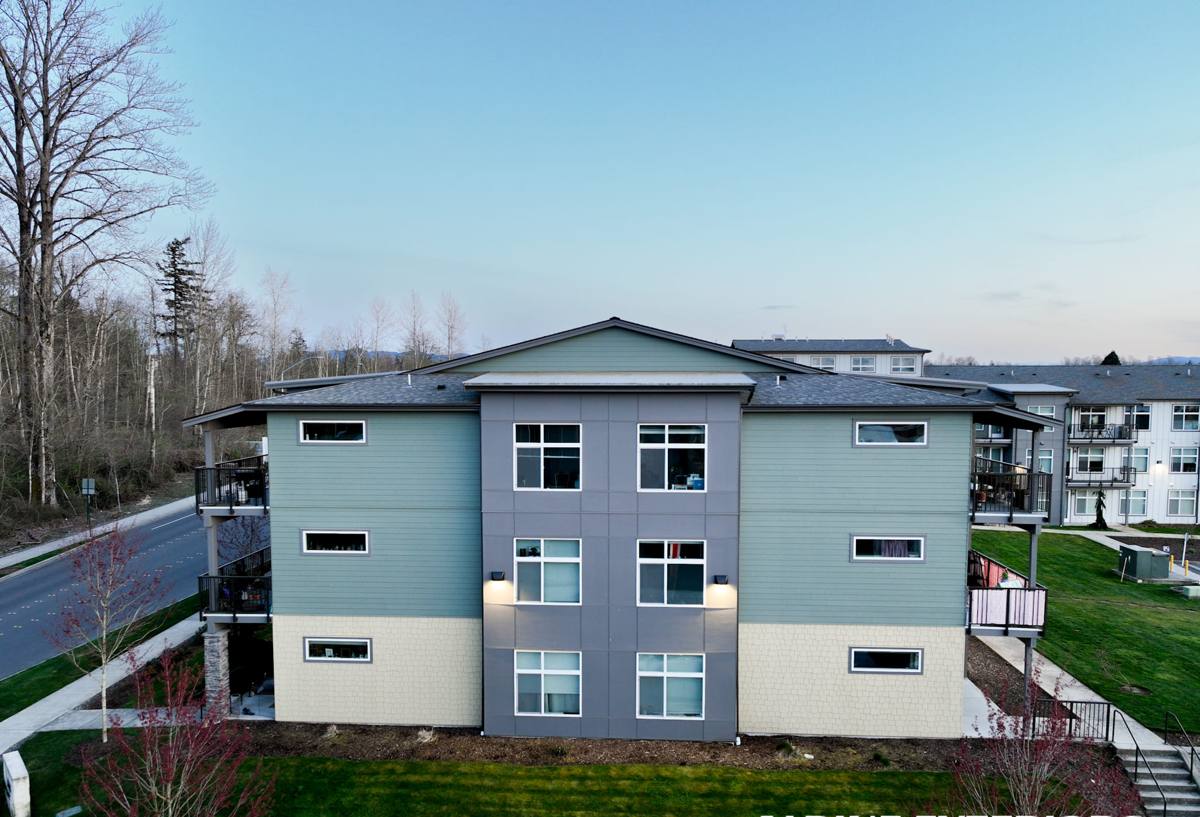
What Seattle's Climate Actually Does to Siding
King County's marine climate is the reason siding choice matters more here than it does in drier parts of the country. Seattle sits close enough to Puget Sound that salt-laden air is a constant, low-grade presence on painted and coated surfaces citywide, not just on waterfront lots. Combine that with driving rain that comes in sideways during fall and winter storms, and a long, damp moss season that can run from October through May, and you have a climate that is actively working to degrade the wrong siding material year-round.
Salt Air and Coatings
Salt air accelerates the breakdown of lower-quality paints and finishes. Materials that rely on field-applied paint — instead of a factory-cured finish — tend to chalk, fade, and lose adhesion faster in this environment, which means repainting cycles come sooner and the maintenance bill starts younger.
Driving Rain and Wind-Driven Moisture
Wallingford's exposure to wind off the Sound and Lake Union means rain doesn't just fall straight down — it gets pushed sideways into wall assemblies, especially on two-story homes and gable ends. Siding systems depend on lap joints, butt joints, and flashing details staying tight under that kind of pressure. A siding job that's fine in a dry climate can fail here specifically because it wasn't detailed for wind-driven rain.
Moss and Prolonged Moisture Contact
Tree cover, shade, and the sheer number of damp months mean moss and algae growth on siding, trim, and roof lines is a fact of life in this part of Seattle. Some siding materials tolerate that prolonged moisture contact far better than others. Materials that absorb water or trap it against the substrate are the ones that eventually rot, delaminate, or need replacement well before their expected lifespan.
Why We Install Only James Hardie Fiber Cement
We don't install vinyl, LP SmartSide, Cemplank, Allura, primed spruce, or cedar. That's not a marketing position — it's a standard we hold because of what we've seen this climate do to those materials over time. Vinyl can warp and become brittle with age and doesn't hold paint if a homeowner ever wants to change the color. Wood-based products like LP SmartSide and untreated cedar or spruce are wood at their core, and wood combined with sustained moisture and moss growth is a maintenance commitment that grows heavier every year. Other fiber cement brands may be reasonable products, but we've standardized our crews, our fastening schedules, and our warranty conversations around one system so we can guarantee the work.
James Hardie fiber cement is non-combustible, dimensionally stable in wet-dry cycling, and finished at the factory with ColorPlus technology rather than relying on a job-site paint crew to get the finish right. For a climate that punishes field-applied coatings and rewards materials that shed moisture instead of absorbing it, that combination is why we put it on homes instead of the alternatives.
What a Correct James Hardie Installation Actually Involves
Hardie siding is only as good as the installation underneath it. The product is engineered well; most of the failures we get called out to inspect on other contractors' work trace back to installation shortcuts, not the material itself.
Weather-Resistive Barrier and Flashing First
Before a single board goes up, the wall needs a correctly lapped weather-resistive barrier and properly integrated flashing at every window, door, and penetration. On an older Wallingford home this often means correcting or upgrading flashing details that were never installed to current standards in the first place.
Clearances That Actually Get Followed
Hardie's installation instructions call for specific clearances — from grade, from roof lines, from decks and patios — so water has somewhere to go instead of wicking into the bottom of the board. These clearances get skipped constantly on rushed jobs because they slow the crew down. We don't skip them.
Fastening Schedule and Zone Requirements
James Hardie products are manufactured in climate-specific HZ formulations, and King County falls in a zone where the moisture-engineered HZ5 product line is the appropriate choice. Fastener type, spacing, and penetration depth all follow Hardie's published schedule rather than "however the crew usually does it."
Joint Treatment and Caulking
Butt joints and seams are where a lot of amateur installs fail years down the road. Correct joint treatment — including which joints get caulked, which get flashed, and which are designed to be left to move — is a detail that separates a job that lasts thirty-plus years from one that needs recaulking every other season.
Matching Product Line and Color to a Wallingford Home
Wallingford's older housing stock generally calls for siding profiles that respect the original architecture rather than fighting it. James Hardie's product lines give us the flexibility to do that correctly instead of forcing a modern look onto a craftsman-era home, or vice versa.
| Hardie Product | Typical Use | Why It Fits Here |
|---|---|---|
| HardiePlank Lap Siding | Traditional horizontal lap, most common on bungalows and Seattle boxes | Matches the classic narrow-reveal look of older Wallingford homes |
| HardieShingle | Accent gables, dormers, craftsman detailing | Reproduces a shingle look without wood's moisture and moss issues |
| HardiePanel Vertical / Board-and-Batten | Modern additions, garages, accent walls | Clean lines for contemporary remodels or additions |
| HardieTrim | Window and door trim, corner boards, fascia | Coordinates finish and color with the field siding |
ColorPlus finishes come in a range of tones that read naturally against Seattle's grey-sky light and green tree cover — deeper, muted colors tend to hold up visually better here than stark whites, which show streaking from rain and moss spores faster. We'll walk through the color and profile options against your specific home and lot, including how much shade and moisture exposure your walls actually get.
How Our Process Works, Start to Finish
- On-site assessment: we walk the exterior, check the existing sheathing and trim condition, and note drainage, grade, and moisture problem areas specific to your lot.
- Scope and estimate: a written estimate covering product line, color, trim details, and any sheathing or flashing repair the walk-through uncovered — no surprise change orders for problems we should have caught up front.
- Tear-off and substrate inspection: once old siding comes off, we inspect sheathing for rot or moisture damage before anything new goes up. This is where older homes most often reveal issues that weren't visible from outside.
- Weather barrier and flashing installation: correctly lapped house wrap and flashing at every penetration, done before siding installation begins.
- Hardie installation to spec: fastening schedule, clearances, and joint treatment following James Hardie's published requirements for our climate zone.
- Final walkthrough: we review the finished work with you directly against the agreed scope before calling the job complete.
What Drives Cost on a Wallingford Siding Job
Every home is different, but a few factors consistently move the number more than homeowners expect:
| Cost Factor | Why It Matters |
|---|---|
| Sheathing condition underneath old siding | Rot or moisture damage found during tear-off adds repair scope before new siding can go on |
| Home height and roofline complexity | Multiple gables, dormers, and second-story work require more scaffolding and labor time |
| Trim and detail work | Craftsman-style trim, corner boards, and shingle accents add material and installation time versus plain lap siding |
| Access and lot constraints | Narrow side yards and mature landscaping common in Wallingford can slow material staging and require more careful protection of plantings |
| Color and finish selection | Standard ColorPlus colors versus custom or premium finishes affect material pricing |
We won't quote a number before seeing the home in person, and we'll flag likely sheathing issues during the walk-through rather than let them surface as a surprise mid-project.
Keeping Moss and Moisture From Becoming a Long-Term Problem
Even the right siding benefits from a homeowner doing a few simple things, especially given how long the wet season runs here. A short annual routine goes a long way:
- Rinse siding gently once a year, focusing on shaded, north-facing walls where moss takes hold first
- Keep gutters clear so overflow doesn't run down the wall face and sit against siding and trim
- Trim back tree branches and shrubs that keep siding shaded and damp longer than necessary
- Check caulking at trim and joints annually and have any gaps addressed before they let water behind the siding
- Watch for soil or mulch built up against the bottom of the siding and keep the manufacturer's clearance from grade clear
None of this is heavy maintenance — that's part of the point of installing a material engineered for this kind of climate in the first place. But even engineered materials benefit from basic upkeep, and skipping it shortens the life of any siding system.
Why Hiring a Crew That Already Works Wallingford Matters
Older Seattle neighborhoods come with their own quirks — permitting expectations, homes built before current code, and the reality that no two lots sit quite level. A crew that has worked this neighborhood before knows what to expect when tear-off starts, has a feel for how local moisture and shade patterns affect different walls of a house, and isn't guessing at flashing details on a home built decades before current building codes existed. That experience shows up in fewer surprises mid-project and a finished installation that's actually built for where it sits, not a generic install dropped onto a unique house.
If you're weighing a siding replacement on a Wallingford home, we're glad to walk the property with you, look at what's actually going on with your current siding and sheathing, and put together a straightforward estimate — no pressure, no pushy sales pitch. You can request a free estimate using the form below.