 Seattle Siding
 Siding Installation in Ravenna: What the Climate Actually Does to a House
Ravenna sits under one of the heavier tree canopies in Seattle, and that canopy is a mixed blessing for the houses underneath it. The same mature trees that make the neighborhood pleasant also mean more shade, slower drying times after rain, and a steady drift of organic debris onto roofs, gutters, and siding. Combine that with Puget Sound's driving rain, the salt-tinged marine air that moves in off the Sound, and a moss season that can stretch from October well into spring, and you get a set of conditions that are genuinely hard on exterior materials.
None of that is unusual for King County. But it does mean that siding installation here isn't a generic job you can copy from a drier climate. Water management, ventilation, and material choice all have to account for the fact that a Ravenna wall assembly may stay damp longer than the same wall would in a sunnier part of the region.
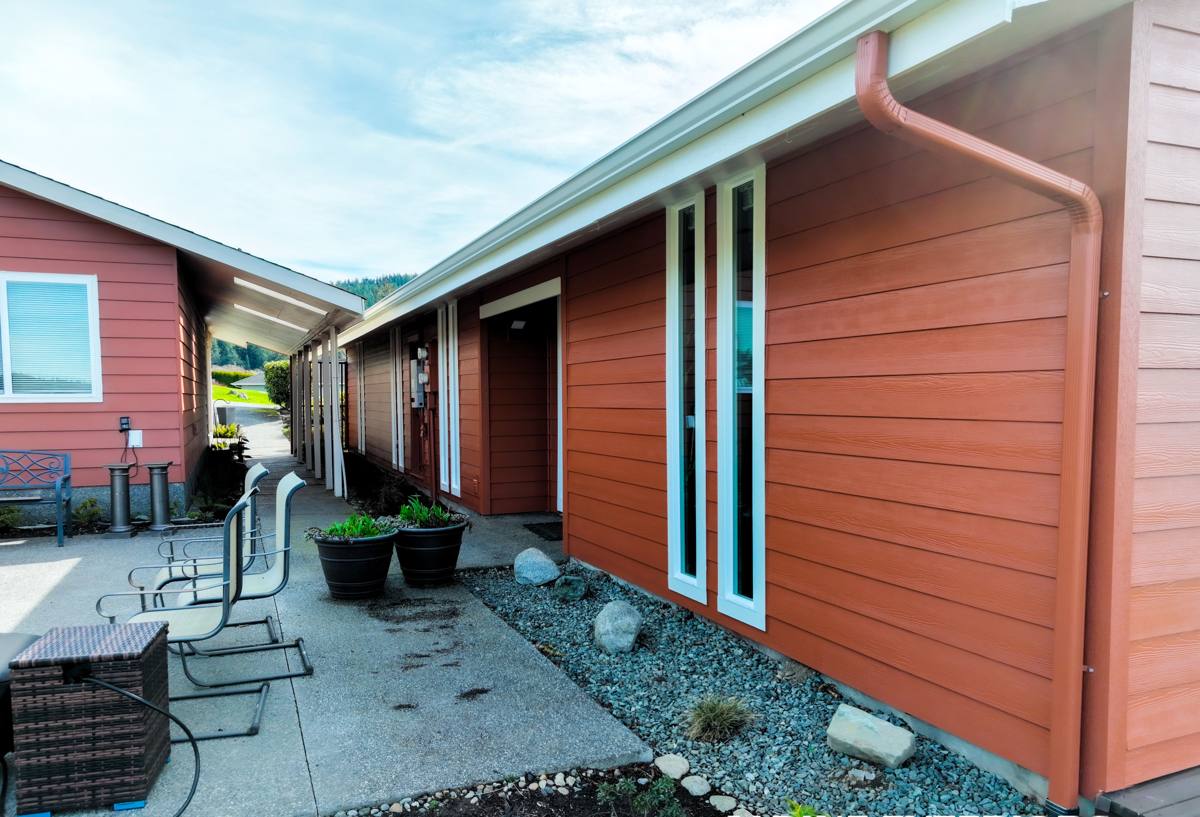
Why Ravenna Homes Are Hard on Ordinary Siding
A few things specific to this kind of neighborhood put extra stress on siding over time:
- Shade and slow drying: Tree cover blocks direct sun for long stretches of the day, so siding, trim, and paint stay wet longer after storms.
- Moss and organic growth: Damp, shaded siding is exactly what moss, algae, and mildew look for. Once established, they hold even more moisture against the surface.
- Salt-influenced marine air: Seattle's proximity to Puget Sound means a low but constant level of airborne salt, which accelerates corrosion of fasteners and wear on lower-grade finishes.
- Driving, wind-blown rain: Storms off the Sound don't always fall straight down. Wind-driven rain gets pushed into laps, seams, and trim joints that a calmer climate would never test.
- Older housing stock: Many homes in established Seattle neighborhoods like Ravenna were sided decades ago, sometimes more than once, and original water management details (flashing, kick-out diverters, weep paths) are often missing or degraded.
Put together, these conditions punish any siding material that depends on paint film integrity, is prone to swelling when it absorbs moisture, or uses fasteners that corrode. That's the backdrop for how we approach every Ravenna project.
Why We Install Only James Hardie Fiber Cement
We made a deliberate decision as a company to install James Hardie fiber cement siding exclusively. We don't install vinyl, LP SmartSide, Cemplank, Allura, primed spruce, or cedar. That's not a marketing position — it's a standard we hold because of what we've seen these products do, and not do, over years of service in exactly this kind of wet, shaded, marine climate.
What Fiber Cement Gets Right Here
James Hardie siding is non-combustible and dimensionally stable, meaning it doesn't swell, warp, or rot the way wood-based products can when they take on moisture repeatedly. It doesn't provide moss or mildew with organic material to feed on the way wood siding can. And its factory-applied ColorPlus finish is baked on under controlled conditions, which holds up to UV and moisture cycling far better than field-applied paint on trim or engineered wood.
Climate-Engineered Product Lines
Hardie manufactures its HZ5 product line specifically for climate zones that see the kind of moisture exposure the Pacific Northwest gets. That's an engineering response to real regional weather patterns, not a generic one-size-fits-all product. For a Ravenna home under tree cover with limited direct sun exposure, that climate-specific engineering matters more than it would in a drier, sunnier region.
Warranty Structure
James Hardie backs its products with a transferable limited warranty, and the ColorPlus finish carries its own separate finish warranty. A transferable warranty has real value on resale — something worth considering in a desirable, established neighborhood like Ravenna where homes tend to change hands.
What a Correct Installation Actually Involves
Fiber cement siding performs the way it's supposed to only when it's installed correctly. Most siding failures we get called to inspect trace back to installation shortcuts, not the material itself. A correct job includes:
- Inspection and repair of the sheathing underneath before any new siding goes on
- A continuous, properly lapped water-resistive barrier behind the siding
- Correct flashing at every window, door, and horizontal trim transition
- Kick-out flashing wherever a roofline meets a sidewall, to divert water away from the wall assembly
- Proper minimum clearance between the bottom of the siding and roofing, decks, and grade
- Manufacturer-specified fastener type, spacing, and penetration depth
- Correct panel and joint gaps, caulked and painted per Hardie's published installation instructions
- Rainscreen or drainage plane detailing appropriate to the wall assembly, especially on shaded, slow-drying elevations
Skipping any one of these doesn't necessarily show up as a problem in year one. It shows up in year five or ten, as trapped moisture, staining, or premature failure at the seams — which is exactly why installation quality matters as much as the product choice.
How Our Process Works
1. On-Site Assessment
We walk the exterior, look at the current siding and trim condition, check for signs of past water intrusion, and note anything specific to the property's exposure — shaded north walls, roof-to-wall intersections, downspout placement, and so on.
2. Scope and Estimate
We put together a written scope covering material, trim details, flashing work, and any sheathing repair we anticipate, along with an estimate. No pressure, no same-day-signature tactics.
3. Tear-Off and Substrate Check
Old siding comes off in sections so we can actually see the sheathing underneath before covering it back up. Any rot or damage gets addressed before new material goes on — covering a known problem is not something we'll do.
4. Water Management First
Weather-resistive barrier, flashing, and drainage details go in before a single piece of Hardie siding is installed. This step is where most long-term performance is decided.
5. Installation to Manufacturer Spec
Siding, trim, and fascia go on following James Hardie's published fastening, clearance, and joint-gap requirements — not shortcuts to save labor time.
6. Final Walkthrough
We walk the finished job with the homeowner, point out what was done and why, and address any punch-list items before calling it complete.
Comparing Siding Options in a Wet, Shaded Climate
Homeowners researching siding options for a shaded, moisture-heavy neighborhood like Ravenna often ask how the major materials actually compare once climate is factored in.
| Material | Moisture Behavior | Maintenance Burden | Fire Rating | Typical Warranty |
|---|---|---|---|---|
| James Hardie fiber cement | Dimensionally stable, doesn't swell or rot | Low; factory finish resists fading and moss buildup | Non-combustible | Transferable limited warranty, separate finish warranty |
| Vinyl | Doesn't rot, but can warp or crack in temperature swings; seams can let moisture behind panels | Low, but color is molded-in and fades unevenly over time | Combustible plastic | Varies widely by manufacturer and grade |
| LP SmartSide / engineered wood | Wood-based; vulnerable to swelling and edge deterioration if moisture reaches the strand core | Moderate; edges and seams need ongoing attention | Combustible | Manufacturer warranty often conditioned on strict installation and maintenance requirements |
| Cedar | Natural wood; absorbs and releases moisture constantly, prone to cupping and checking in shaded, damp exposures | High; regular refinishing and moss/mildew treatment needed | Combustible | Typically no manufacturer warranty; performance depends on maintenance |
This is why we standardized on fiber cement rather than offering all of these side by side: in a climate like Ravenna's, the maintenance and moisture-behavior gap between fiber cement and wood-based or vinyl products compounds year after year.
What Drives Cost on a Ravenna Siding Project
Every home is different, so we don't quote a price without seeing the property, but a few factors consistently move the number:
| Factor | Why It Matters |
|---|---|
| Sheathing condition underneath old siding | Hidden rot or damage found during tear-off adds repair scope before new siding can go on |
| Number of stories and roof/wall intersections | More rooflines against walls means more flashing and kick-out detail work |
| Trim and architectural detail | Corner boards, window casings, and fascia detail add labor beyond flat wall area |
| Siding profile chosen | Lap width, shingle-style panels, and board-and-batten each install differently |
| Access and site conditions | Mature trees, tight side yards, and sloped lots common in established neighborhoods can add setup time |
Why Hiring a Crew That Already Works in Ravenna Matters
Siding crews that regularly work established Seattle neighborhoods bring a few practical advantages to a Ravenna project. They know how to work around mature trees and tight side-yard access without damaging landscaping. They're used to Seattle's permitting process and typical inspection expectations. And they've seen how houses in this specific microclimate age over time — which walls hold moisture longest, where moss tends to establish first, and which original construction details were left out decades ago and need correcting now.
That local pattern recognition doesn't replace following manufacturer installation specs, but it does mean fewer surprises and a scope of work that's realistic from the first estimate.
Living With Fiber Cement Siding Through Ravenna's Moss Season
Even the best siding material benefits from basic seasonal upkeep in a climate like this. A yearly soft wash to clear moss and organic buildup, keeping gutters clear so overflow doesn't run down the wall face, and trimming back vegetation that keeps a wall shaded and damp will all extend the life of a correctly installed Hardie system well beyond what's typical for lower-maintenance-marketed alternatives.
If you're planning a siding project in Ravenna, we're happy to take a look and put together a straightforward, no-pressure estimate — use the form below to get started.