 Seattle Siding
 Roof Repair Built for Shoreline's Weather
Shoreline sits right on Puget Sound, and that location shapes everything about how a roof ages here. Homes just a few miles inland in Seattle deal with plenty of rain, but Shoreline roofs also take on salt-laden air off the water, near-constant cloud cover that keeps shaded roof sections damp for days at a time, and a moss season that can run from early fall through late spring. None of that is dramatic on its own. It's the accumulation, year after year, that turns a small flashing gap or a patch of moss into a leak, a rotted deck board, or water tracking into an attic.
A roof repair in this area needs to account for all of that, not just patch the spot where water is showing up inside the house. Water rarely leaks in exactly where it enters the roof — it travels along the underlayment or framing before finding a way in, so a repair that only addresses the visible drip often misses the actual entry point.
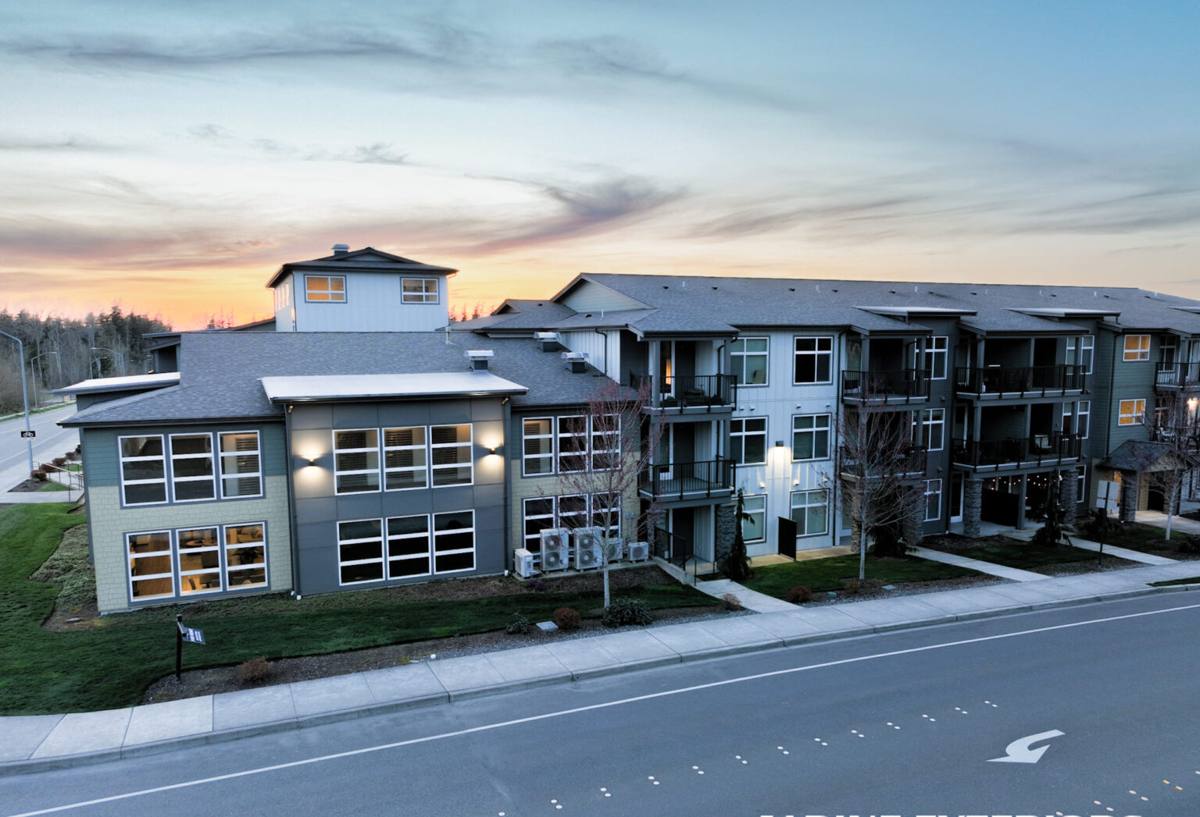
What King County's Climate Does to a Roof Over Time
Moss and Organic Growth
Moss holds moisture against the roofing material long after the rest of the roof has dried out. On composition shingles, that trapped moisture accelerates granule loss and can lift shingle edges, giving wind-driven rain a place to get underneath. On cedar or wood shake, moss and moisture together speed up rot. Moss tends to establish first on north-facing slopes and anywhere tree cover keeps a section of roof shaded, which describes a lot of Shoreline's residential streets.
Salt Air and Metal Components
Proximity to Puget Sound means metal roof components — flashing, fasteners, gutters, and vents — are exposed to salt-influenced air. Lower-grade or improperly coated metal can corrode faster here than it would further inland. This matters most at flashing details, since flashing is the roof's primary defense against leaks at chimneys, valleys, sidewalls, and roof-to-siding transitions.
Sustained Rain and Wind-Driven Moisture
Pacific Northwest rain isn't usually violent, but it's persistent, and it often comes with enough wind to drive water sideways under loose shingles, past worn pipe boots, or through gaps where roofing meets siding. A roof that would hold up fine in a drier climate with occasional storms can develop chronic leaks here simply because it's rarely given a chance to fully dry between rain events.
Common Roof Repair Issues We See in Shoreline Homes
- Moss and algae buildup causing shingle lift, granule loss, and trapped moisture
- Cracked or deteriorated pipe boots around plumbing vents, usually the first thing to fail on an older roof
- Corroded or improperly lapped flashing at chimneys, skylights, and roof valleys
- Water staining or rot at the transition where the roof meets siding or trim
- Clogged or undersized gutters causing water to back up under the roof edge
- Wind-lifted or missing shingles after a storm, leaving the underlayment exposed
- Soft or discolored roof decking discovered once a leak is traced to its source
Because our crew works throughout Seattle and North King County, including Shoreline, we see the same handful of failure points repeatedly. That pattern recognition is useful — it means we know where to look first instead of guessing.
What a Correct Roof Repair Actually Involves
A roof repair that holds up in this climate is more than sealant and a few replaced shingles. Here's what we consider standard, not optional:
Finding the Real Source
Before any repair work starts, we trace the leak or damage back to its actual origin, which is often several feet from where the water shows up indoors. This usually means inspecting the roof surface, the flashing details, and — when there's evidence of a leak — the attic or roof deck from underneath.
Addressing Moisture-Damaged Decking
If water has been getting in for a while, the plywood or plank decking underneath may be soft or delaminating. Repairing over damaged decking doesn't fix the problem; it just hides it under new shingles. Any compromised decking gets cut out and replaced before new roofing goes down.
Proper Flashing and Underlayment Detail
Most roof leaks trace back to flashing, not the shingles themselves. Flashing at valleys, chimneys, skylights, and roof-to-wall transitions has to be correctly lapped with the underlayment and roofing so water sheds down and out, not sideways into a seam. Given the salt air exposure near the Sound, we pay particular attention to flashing material and fastener condition in this area.
Matching Materials
Repairs should blend into the existing roof in material, profile, and where possible, color, rather than standing out as an obvious patch. This matters for both appearance and performance — mismatched materials can create their own moisture or expansion issues at the seam.
Our Repair Process
- Inspection and diagnosis — We assess the roof surface, flashing, gutters, and, where relevant, attic space to identify the actual cause of the issue, not just the symptom.
- Honest scope and estimate — You get a clear explanation of what needs repair versus what can wait, with a written estimate before any work begins.
- Repair or targeted replacement — We repair what can be repaired correctly. If decking, flashing, or a larger section of roofing is too compromised, we'll tell you and explain why a partial replacement makes more sense than a temporary patch.
- Cleanup and moss treatment where needed — Debris and moss in the repair area are cleared so the fix isn't undermined immediately by the same conditions that caused the original damage.
- Final walkthrough — We show you the completed work and explain what was done, so you're not left guessing.
Repair vs. Replacement: How We Help You Decide
| Factor | Repair Usually Makes Sense | Replacement Should Be Considered |
|---|---|---|
| Roof age | Under roughly 15-20 years, depending on material | At or past the manufacturer's expected service life |
| Extent of damage | Isolated to one section, flashing detail, or vent | Multiple areas failing or widespread moss/moisture damage |
| Decking condition | Solid, no soft spots | Rot or delamination found in more than a small area |
| Leak history | First occurrence, clear single cause | Recurring leaks in different spots over time |
| Material availability | Matching shingles or materials still obtainable | Discontinued product with no reasonable match |
These are general guidelines, not a substitute for an in-person look. Two roofs of the same age can be in very different condition depending on slope, tree cover, and maintenance history — which is exactly why we inspect before recommending anything.
Why a Local Crew Matters for This Kind of Work
Roofing crews that work across the greater Seattle area regularly, rather than occasionally, build a working knowledge of how local conditions actually affect roofs — which slopes hold moss longest, which flashing details fail first near the water, and what a "normal" amount of wear looks like for a given roof age in this climate. That knowledge shapes better diagnosis and fewer repeat visits.
There's also a practical side to being local: we're not driving in from across the state for a callback if something needs a follow-up look, and we're familiar with the permitting and code expectations that apply to roofing work in King County. A crew that's in and around Shoreline regularly can also respond faster when a storm causes sudden damage and a leak needs to be stopped before it spreads further into the attic or walls.
Maintenance That Extends the Life of a Repair
A well-done repair still needs reasonable upkeep to last, especially in a climate that stays damp for long stretches of the year. A few habits go a long way:
- Keep gutters clear so water doesn't back up under the roof edge during heavy rain
- Trim back overhanging branches to reduce shade, debris, and moss buildup on the roof
- Have moss treated or removed before it spreads rather than after it's established
- Schedule a roof check after any major windstorm, even if nothing looks obviously wrong from the ground
- Address small leaks early — a stain on a ceiling is almost always smaller and cheaper to fix than the damage that develops if it's ignored
Questions Worth Asking Before Any Roof Repair
Whoever you hire, it's worth knowing what you're getting. A repair scope should specify exactly which materials and areas are being addressed, not just a vague description like "fix the leak." Ask whether decking will be inspected and, if damaged, whether replacement is included in the price or billed separately if found. And ask how the repair will be blended into the existing roof so it isn't an obvious mismatch down the road.
If you're dealing with a leak, visible moss, or damaged flashing on a Shoreline home, we're happy to take a look and give you a straightforward, no-pressure estimate — just fill out the form below and we'll get in touch.