 Seattle Siding
 Fremont's Roofs Face a Specific Kind of Wear
Fremont sits right along the Lake Washington Ship Canal, close enough to Puget Sound's marine air and tidal salt water at the Ballard Locks that homes here take on a steady diet of moisture few inland neighborhoods deal with. Add King County's long, wet shoulder seasons and the mature tree canopy found throughout many of Fremont's residential blocks, and you get a roofing environment that's tough on materials in a few very specific ways: constant dampness that never fully dries out between rain events, shaded areas that stay damp longer, and organic debris that feeds moss and algae almost year-round.
None of that means Fremont roofs fail faster than roofs anywhere else in Seattle. It means they fail differently — moss lifting shingle edges before the shingles themselves wear out, fascia and sheathing rot showing up at roof-to-wall transitions before the field of the roof looks bad, and older cedar shake or aging comp-shingle roofs on the neighborhood's many early-1900s bungalows and craftsman homes needing attention sooner than a spec sheet would suggest. A roof replacement done right in this neighborhood accounts for all of that, not just what a shingle brochure promises.
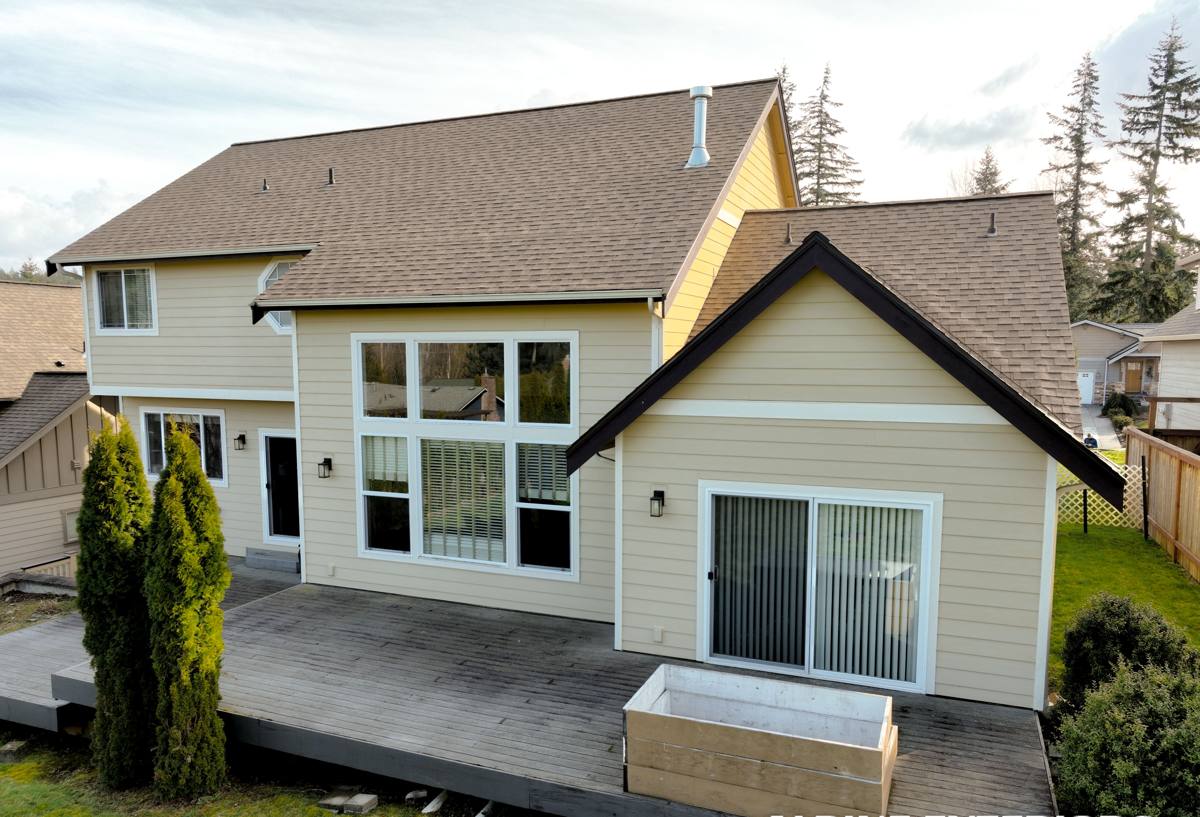
Signs a Fremont Roof Needs Replacement, Not Just Repair
Roof repair has its place, but there's a point where patching individual problem spots stops being the economical choice. Homeowners in Fremont should watch for:
- Granule loss heavy enough that you find grit collecting in gutters or downspouts after every rain
- Moss that keeps returning within a season or two of cleaning, especially on north-facing or shaded slopes
- Shingles that are cupping, curling, or cracking, particularly on roofs that have already had one or more repair patches
- Soft spots in the decking you can feel when walking the roof, or sagging visible from the ground
- Daylight or water staining in the attic near valleys, chimneys, or where dormers meet the main roof
- A roof that's simply reached the end of its material's realistic service life for this climate, even if it "looks fine" from the street
Moss deserves its own mention because it's the symptom homeowners notice first and misjudge most often. A light moss bloom on an otherwise sound roof is a maintenance issue. Moss that has worked under shingle tabs and started lifting them is a sign the roof's surface layer is already compromised — at that point, cleaning treats the symptom, not the cause.
What a Correct Roof Replacement Actually Involves
Full Tear-Off, Not a Layover
We remove existing roofing down to the deck rather than installing new material over old. Layovers hide the condition of the sheathing underneath, trap moisture between layers, and void most manufacturer warranties. On a wet-climate roof, tear-off is also the only way to actually find and address rot before it spreads.
Deck Inspection and Repair
Once the old roofing is off, we inspect the sheathing for soft spots, delamination, and water damage — common at valleys, around old flashing, and near roof penetrations on Fremont's older homes. Damaged sections get replaced before anything new goes down; new shingles over a compromised deck is a warranty and structural problem waiting to happen.
Underlayment and Ice/Water Protection
Given how much sustained wet weather this area sees, we don't treat underlayment as an afterthought. Synthetic underlayment across the field, with self-adhered ice-and-water membrane at eaves, valleys, and roof-to-wall transitions, gives the roof a real second line of defense against wind-driven rain and the kind of slow, persistent moisture Fremont winters bring.
Flashing Done Properly
Most leaks on older Seattle homes trace back to flashing, not the field shingles — chimneys, skylights, dormers, and sidewall transitions are where water finds a way in. We replace flashing rather than reuse it wherever it's original or corroded, and we pay particular attention to step flashing at sidewalls, which is a common weak point on the multi-gabled roofs common in this neighborhood.
Ventilation That Matches the Home
A roof that can't breathe traps moisture in the attic, which accelerates deck rot and can shorten shingle life from the underside — a problem that's easy to miss because it doesn't show up on the roof's surface. We balance intake and exhaust ventilation for the specific roof, not a generic formula.
Comparing Roofing Materials for a Fremont Home
There's no single "best" material — the right choice depends on the home's age, roof pitch, budget, and how much moss and moisture exposure the specific roof faces. Here's how the common options stack up for this climate:
| Material | Moss/Moisture Resistance | Typical Lifespan Here | Notes for Fremont Homes |
|---|---|---|---|
| Architectural (laminate) asphalt shingle | Good with proper ventilation and zinc/copper strips | 20-30 years | Most common choice; wide style range fits both craftsman and newer infill homes |
| 3-tab asphalt shingle | Fair | 15-20 years | Lower upfront cost but shorter life in sustained wet climates |
| Standing seam metal | Excellent — sheds moss and debris | 40-50+ years | Higher upfront cost; performs very well on low-pitch sections common on additions |
| Cedar shake | Requires ongoing maintenance to resist moss and rot | 20-30 years with upkeep | Historically common on older Fremont homes; we're upfront that it needs more active maintenance in this climate than other options |
| Synthetic/composite shake | Good | 30-40 years | Gives the traditional shake look with less moisture sensitivity |
We'll walk through these trade-offs in person rather than just handing over a brochure. A steep-pitched craftsman roof and a low-slope addition on the same house sometimes call for different materials entirely.
Moss and Ventilation: The Two Issues That Matter Most Here
If there's one thing that separates a roof replacement built for this neighborhood from a generic one, it's how seriously moss and ventilation are treated during installation — not just as a maintenance afterthought.
Zinc or copper control strips near the ridge use rainwater runoff to inhibit moss regrowth across the field of the roof, which matters most on shaded slopes and roofs under mature tree canopy. Proper attic ventilation keeps the deck and shingles drier from underneath, reducing the conditions moss and algae need to take hold in the first place. Neither fix is complicated, but both get skipped on rushed installs — and both are far easier to build in correctly during a full replacement than to retrofit later.
Permits, Access, and Practical Fremont Considerations
Roof replacement within Seattle city limits generally requires a permit through the city's building department, and we handle that process as part of the job rather than leaving it to the homeowner. A few things specific to working in Fremont's residential blocks worth knowing upfront:
- Narrower lots and closer-set homes in some parts of the neighborhood can affect staging, dumpster placement, and material delivery — we plan access before the crew ever shows up
- Mature street trees and yard trees mean debris protection for landscaping and neighboring properties is part of the plan, not an afterthought
- Some newer townhome and condo developments in the area may have HOA requirements around materials or color — worth checking before you fall in love with a specific product
Our Process, Start to Finish
- On-site inspection and honest assessment of whether the roof needs replacement or can still be reasonably repaired
- Material walkthrough based on the home's pitch, age, and your budget — no upselling toward a product that doesn't fit the house
- Written estimate with clear scope, so there's no ambiguity about what's included
- Permit handling with the City of Seattle
- Full tear-off, deck inspection and repair, new underlayment, flashing, and material installation
- Site cleanup, including magnetic sweep for stray fasteners in the yard and driveway
- Final walkthrough so you can see the finished work before we call the job done
Why Hire a Crew That Already Works This Neighborhood
A roofing crew that regularly works Fremont knows which roof-to-wall transitions on older homes tend to leak, how much moss pressure a given slope and tree cover combination is likely to see, and how to plan access on the tighter lots common here. That local pattern recognition shows up in fewer surprises mid-job and a roof that's built for the conditions it will actually face — not a generic install that happens to be located in Seattle.
It also matters for accountability. A contractor working steadily in King County has a reputation in the neighborhood to maintain, licensing and insurance that are easy to verify, and no incentive to cut corners on flashing or ventilation details that won't show up as a problem for a few years.
Questions Worth Asking Before You Hire
- Is the estimate based on a full tear-off, or does it include the option of a layover?
- What underlayment and ice/water protection is included, and where specifically will it be installed?
- How is ventilation being assessed and balanced for this specific roof?
- What's the plan for moss prevention — is it built into the install, or left as your ongoing maintenance?
- Who pulls the city permit, and is that included in the price?
- What does the workmanship warranty cover, separate from the manufacturer's material warranty?
If your Fremont roof is showing moss that won't stay gone, a repair history that's starting to add up, or you're simply due for an honest assessment, we're happy to take a look. The estimate is free, there's no pressure attached to it, and you'll get a straight answer about whether replacement makes sense right now or whether repair can still buy you time — just fill out the form below to get started.