 Seattle Siding
 Siding Replacement Built for Queen Anne's Exposure
Queen Anne sits high above the rest of Seattle, and that elevation is a mixed blessing. The views are real, but so is the weather that comes with them. Homes on the hill catch wind and driving rain that lower, more sheltered neighborhoods simply don't see as often, and west- and north-facing walls pick up salt-laden air moving in off Puget Sound. Add in Seattle's long, damp shoulder seasons and you have a climate that is genuinely harder on exterior siding than a lot of homeowners assume when they're comparing bids.
A lot of the housing stock on Queen Anne is older — craftsman-era homes, early-to-mid-century builds, and additions layered on over decades. Original wood siding, old cedar, or a previous owner's vinyl or composite job is common, and each of those materials ages differently under constant moisture and wind-driven rain. When we replace siding here, we're not just swapping one material for another — we're correcting for how the house has weathered on this specific hill, in this specific exposure, over however many decades it's been standing.
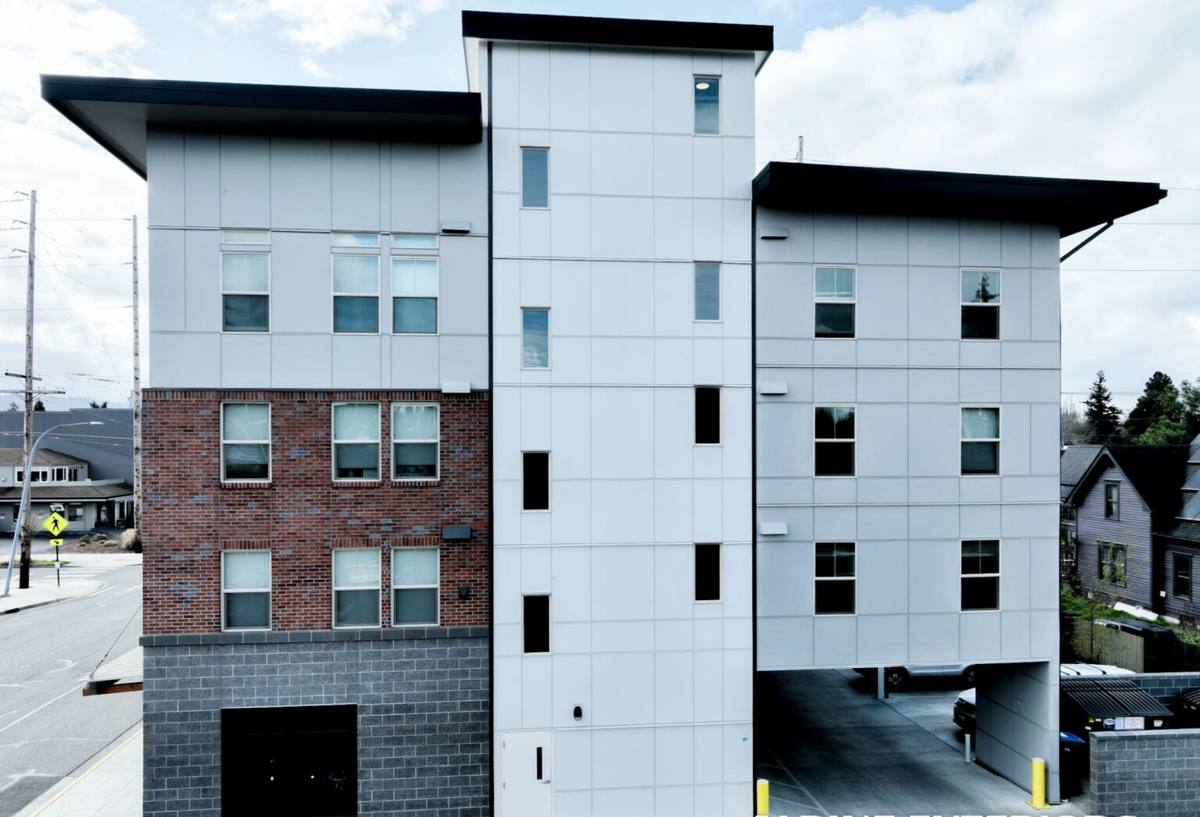
What Queen Anne's Climate Actually Does to Siding
Salt Air
Homes with any exposure toward the Sound take on fine salt particulate in the air, especially on windier days. Salt accelerates corrosion in fasteners, staples, and any exposed metal trim, and it can degrade certain paint and coating systems faster than manufacturers' inland test data would suggest. Siding materials and finishes that aren't formulated to handle this kind of exposure tend to show chalking, fading, or fastener staining well ahead of schedule.
Driving Rain
Because Queen Anne sits up and exposed, rain doesn't just fall here — it's frequently pushed sideways by wind coming off the water. That matters enormously for siding because driving rain finds every gap in a lap joint, every under-caulked seam, and every spot where flashing was skipped or done wrong. A house that would stay dry in a straight-down rain in a sheltered neighborhood can take on real moisture on this hill if the assembly behind the siding — the water-resistive barrier, the flashing, the laps — isn't done correctly.
Moss Season
Seattle's wet season runs long, and shaded or north-facing walls on Queen Anne can stay damp for weeks at a stretch. That's exactly the environment moss and mildew need to take hold. On wood-based or wood-look siding, sustained moss growth traps moisture against the surface and accelerates rot from the outside in. On any siding, moss buildup in laps and seams is a sign that water is sitting somewhere it shouldn't be.
Signs Your Queen Anne Home Needs Siding Replacement
Some of these show up gradually, others appear after a stretch of hard winter weather. Either way, they're worth taking seriously before they become a bigger repair.
- Soft or spongy spots when you press on the siding, especially near the bottom courses or under windows
- Persistent moss or dark streaking that comes back within a season of cleaning
- Paint that's bubbling, peeling, or won't hold a new coat
- Visible gaps, warping, or cupping in individual boards or panels
- Rising energy bills that don't match your usage — a sign the wall assembly is no longer doing its job
- Fastener stains — rust-colored streaks bleeding out from nail or staple heads
- Interior signs: musty smell, discoloration on interior walls, or trim that's soft to the touch
Any one of these on its own might be a spot repair. Several at once, especially on a wall that faces the weather, usually means the underlying moisture barrier has failed and it's time to talk about full replacement rather than patching.
What a Correct Siding Replacement Actually Involves
Tear-Off and Inspection
We remove the old siding down to the sheathing and actually look at what's underneath before making any recommendations. On a hill neighborhood with this much moisture exposure, this step matters — it's where we find rot, failed flashing, or a water-resistive barrier that's been letting moisture in for years without visible signs on the surface.
Repair and Prep
Any damaged sheathing gets replaced, not covered up. We install a new water-resistive barrier rated for the assembly, and we pay close attention to seams, laps, and overlaps — this is the layer doing the real work when wind pushes rain sideways into a wall.
Flashing
Windows, doors, and any horizontal trim need flashing detailed correctly so water sheds outward and down, never inward. This is one of the most common places we find shortcuts on older installs, and it's usually the root cause of localized rot even when the siding itself still looks fine.
Installation to Spec
Fastening pattern, nail spacing, caulking at the right joints (and not at joints that should be left to drain), and correct clearance at grade and roof lines all matter more here than in a sheltered, low-wind location. We install to the manufacturer's specification for this climate, not a generic install.
Why We Install Only James Hardie Fiber Cement
We don't install vinyl, LP SmartSide, primed spruce, cedar, or other fiber cement brands. That's a deliberate standard, not a lack of options, and on a hill exposed to salt air and driving rain the reasoning holds up especially well.
| Factor | James Hardie Fiber Cement | Vinyl / Wood / Other Composites |
|---|---|---|
| Moisture behavior | Engineered to resist moisture-driven warping and swelling | Wood swells and rots; vinyl can warp and doesn't stop water at the seams |
| Wind-driven rain | Rigid panels hold tight laps and seals under wind pressure | Vinyl can flex and gap; wood laps open as boards move with moisture |
| Finish under salt exposure | Factory ColorPlus finish is baked on and warrantied against fading and peeling | Field-applied paint on wood needs regular recoating; vinyl color can chalk over time |
| Fire resistance | Non-combustible material | Wood is combustible; vinyl can melt and deform under heat |
| Long-term maintenance | Low — no repainting cycle needed with ColorPlus finish | Wood needs repainting/staining; all materials need moss and mildew management |
None of this means every alternative product is a bad product in general. It means that for the way Queen Anne's weather actually behaves — sideways rain, salt air, sustained damp — we'd rather stand behind one system we know performs than offer several and hope the cheaper ones hold up. James Hardie's HZ5 product line is engineered specifically for this kind of climate zone, and the factory-applied ColorPlus finish removes the recoating cycle that wears down wood and painted materials fastest in wet, salty conditions.
Our Process on Queen Anne Jobs
Assessment
We walk the exterior with you, note which walls take the worst of the wind and rain, and check for the moisture signs listed above before we ever talk product or price.
Scope and Estimate
You get a written scope that covers tear-off, any sheathing repair allowance, water-resistive barrier, flashing detail, and the specific Hardie product and color — no vague line items.
Site Logistics
Queen Anne's steep streets, narrow lots, and limited parking are things we plan around before the crew shows up, not something we figure out on day one. Material staging and access get worked out in advance.
Installation and Walkthrough
We install to spec, and we walk the finished job with you before we consider it done — including a look at flashing details and clearances you wouldn't normally see once the siding's up.
What Affects Cost
| Factor | Why It Matters |
|---|---|
| Extent of hidden damage | Rotted sheathing found during tear-off adds material and labor beyond the base siding install |
| Home size and wall complexity | Dormers, bays, and multiple gable ends take more trim and cutting than a simple rectangular wall |
| Access and site conditions | Steep lots and tight streets can affect staging, scaffolding, and crew logistics |
| Product line and finish | Different Hardie panel and lap profiles, plus ColorPlus color selection, affect material cost |
| Trim and detail work | Window and door trim, corner boards, and fascia detailing add labor time |
We won't quote a number without seeing the house, but we'll always explain what's driving the price on your specific job rather than handing you a flat per-square-foot figure that ignores your home's actual condition.
Why a Crew That Already Works Queen Anne Matters
Every hill neighborhood in Seattle has its own quirks — narrow access, permitting nuances, and a housing stock with its own common failure points. A crew that regularly works Queen Anne has already seen how the wind moves across specific blocks, what the older wall assemblies in the area tend to look like once opened up, and how to stage a job on a steep lot without turning your street into a logistics problem. That experience shows up in fewer surprises mid-project and a finished install that's actually built for the exposure your specific wall faces, not a generic Seattle install applied without adjustment.
It also matters for accountability. A local crew that plans to keep working in your neighborhood has every reason to do the flashing and moisture detailing right the first time — callbacks on a hill exposed to driving rain are expensive and hard to hide from.
Get a Free, No-Pressure Estimate
If your Queen Anne home is showing any of the wear signs above, or you just want an honest read on how much life is left in your current siding, we're happy to take a look. The estimate is free, there's no pressure to book anything on the spot, and you'll get a straight answer about whether replacement makes sense now or can reasonably wait. Use the form below to get started.