 Seattle Siding
 Window Installation Built for Ravenna's Climate and Housing Stock
Ravenna is one of Seattle's older, leafier neighborhoods, and that combination of mature tree canopy, established landscaping, and a housing stock that dates back to the early and mid-1900s creates a specific set of window problems. King County's marine climate means long stretches of steady rain, short cold snaps, and a moss and mildew season that can run from fall through spring. Homes shaded by big trees, which is common throughout Ravenna, stay damp longer after a storm than homes in open, sun-exposed lots. That extra dwell time for moisture is exactly what old wood sashes, failed glazing, and worn weatherstripping cannot handle.
Window installation here isn't just a cosmetic upgrade. It's a moisture-management job as much as a comfort and energy job. A window that's flashed and sealed correctly keeps wind-driven rain out of the wall cavity. A window that's installed poorly, even if it's a brand-new, expensive unit, can trap water behind the trim and cause rot that isn't visible until it's expensive to fix.
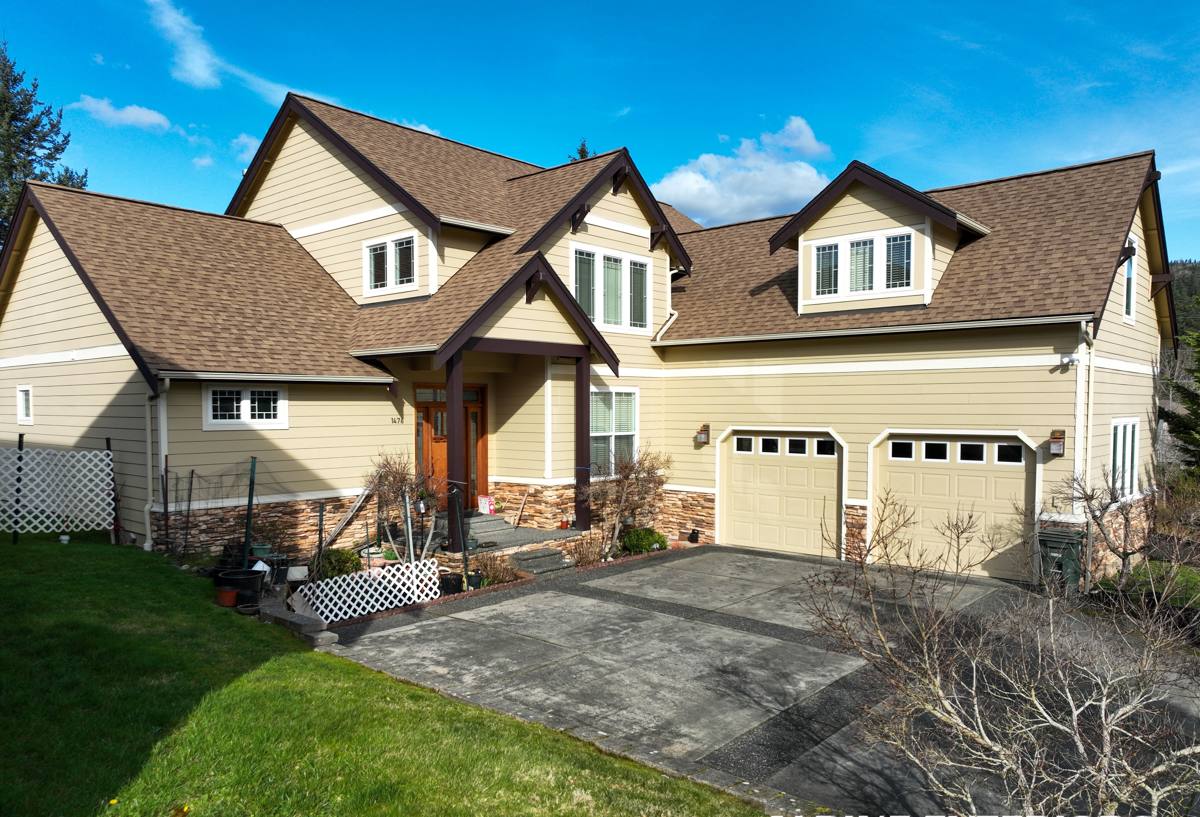
What Ravenna's Older Homes Need From a Window Replacement
Craftsman, Tudor, and early bungalow styles
A lot of Ravenna's housing stock is Craftsman bungalows, Tudor-influenced homes, and early 20th-century single-family construction, often with original wood window openings that were never sized to modern manufacturing standards. That means off-the-shelf replacement windows frequently don't fit without either shimming a gap or cutting into the original opening — and doing either one wrong changes how water sheds off the wall.
Single-pane and early double-pane originals
Many of these homes still have single-pane wood windows, or an early-generation double-pane retrofit from decades ago. Both lose heat fast and fog up as seals fail. Replacing them is usually where homeowners see the most noticeable difference in comfort — fewer cold drafts near the glass, less condensation on cold mornings, and a real drop in how hard the furnace has to work.
Tree cover and prolonged dampness
Shade from mature trees keeps siding and trim wet longer after rain, which accelerates wood rot around window openings that already have failing caulk or old flashing. If we open up a window opening in Ravenna and find soft wood at the sill, it's almost always tied to this pattern — moisture sitting against wood for hours instead of drying out in an hour of sun.
Signs a Ravenna Home Needs Window Attention
Most window problems don't show up as a dramatic failure. They show up gradually, and homeowners often adjust to them without realizing how much is being lost through the window itself. Here's what we look for and what you can check yourself:
- Visible fog or moisture trapped between panes of double-pane glass — a sign the seal has failed
- Soft, spongy, or discolored wood on the sill, jamb, or exterior trim
- Drafts you can feel near the glass or frame on a windy day, even with the window closed
- Windows that are hard to open, close, or lock, especially wood-sash windows that have swollen or warped
- Paint that's peeling or bubbling on interior or exterior trim near the window
- Visible moss, algae, or dark staining on the siding or trim directly around the window
- A noticeable difference in room temperature near the window compared to the rest of the room
- Condensation forming on the inside of the glass regularly during colder months
Any one of these on its own might just mean routine maintenance. Several of them together, especially combined with visible wood damage, usually means it's time to talk about replacement rather than another round of caulk and paint.
What a Correct Window Installation Actually Involves
The window unit itself is only part of the job. In this climate, how it's installed matters as much as what's installed. A correct installation includes:
- Removing the old window and inspecting the framing, sill, and sheathing underneath for hidden rot before anything new goes in
- Repairing or replacing any damaged framing rather than installing a new window over a compromised opening
- Installing proper flashing so water sheds outward and down, away from the wall cavity, not behind the siding
- Sealing and insulating the gap between the window frame and the rough opening correctly, without over-packing it in a way that bows the frame
- Applying weather-resistant sealant at the right joints, on the outside, without sealing points that need to stay able to drain or vent
- Finishing interior and exterior trim so it sheds water and looks right against the home's existing lines
Skipping the flashing and sequencing details is the single most common cause of window-related water damage we see in older Seattle homes — not the window product itself, but how it was set into the wall.
Choosing a Window Type for Ravenna's Conditions
There's no single "best" window for every house. The right choice depends on your home's age, your budget, and how much upkeep you want to take on. Here's an honest comparison of the main options we install:
| Material | Moisture Behavior | Maintenance | Typical Fit for Ravenna Homes |
|---|---|---|---|
| Vinyl | Doesn't absorb moisture or rot; performs consistently in wet climates | Low — no painting or sealing required | Strong value option, works well on most home styles when trim profile matches |
| Fiberglass | Very stable in moisture and temperature swings; minimal expansion/contraction | Low, can be painted if you want a color change later | Good match for homeowners wanting longevity and a narrower, more traditional sightline |
| Wood-clad (wood interior, clad exterior) | Exterior clad layer resists weather well; interior wood needs the room's humidity managed | Moderate — clad exterior is low-maintenance, interior wood may need occasional attention | Popular for matching original Craftsman and Tudor detailing where authenticity matters |
| Solid wood (like-for-like replacement) | Requires diligent painting and sealing to resist Pacific Northwest rain | Highest — regular repainting and caulking | Only recommended for homeowners committed to ongoing upkeep or historic accuracy requirements |
We won't install solid wood windows without being upfront that they carry the most maintenance in this climate. That's not a knock on wood as a material — it's a real trade-off between appearance and the upkeep a wet climate demands, and homeowners deserve to know that before they commit.
Our Installation Process
1. On-site assessment
We look at each window opening individually, not just the glass. Older Ravenna homes rarely have perfectly uniform openings, so we check for settling, framing condition, and any existing moisture damage before quoting the job.
2. Product selection based on the house, not a default
We walk through material, style, and grille pattern options that fit your home's existing character, especially important on Craftsman and Tudor-style houses where mismatched window profiles stand out.
3. Removal and structural check
Old windows come out carefully, and we inspect the sill and framing before anything new goes in. If there's rot, we address it then — not after the new window is already sealed in place.
4. Correct flashing and sealing
This is the step that determines whether the window performs for twenty years or leaks in five. We flash and seal to shed water outward, following manufacturer specs for the specific product installed.
5. Interior and exterior finish work
Trim, caulking, and paint or stain are finished to match the home, inside and out, so the new window looks original to the house rather than obviously bolted on.
6. Final walkthrough
We check operation, seals, and finish work with you before calling the job done.
What Affects the Cost of a Window Installation Project
Every home is different, so we don't quote a blanket price without seeing the openings. But these are the factors that consistently move the cost up or down:
| Factor | Why It Matters |
|---|---|
| Number of windows | Per-window cost typically drops slightly as the total count on one project increases |
| Material chosen | Vinyl is generally the most budget-friendly; wood-clad and solid wood cost more |
| Opening condition | Rot repair or reframing adds labor and material cost beyond the window itself |
| Window size and configuration | Larger units, bay windows, or custom shapes cost more than standard single or double-hung sizes |
| Trim and finish detail | Matching original Craftsman or Tudor trim profiles takes more finish carpentry time |
| Access | Second-story or hard-to-reach windows can add labor time for staging and safety |
We'll walk through these with you during the estimate so you know what's driving the number, not just what the total is.
Why Hiring a Crew That Already Works in Ravenna Matters
A crew that regularly works in Ravenna and similar King County neighborhoods has already seen how the older housing stock here was built, what kind of rot patterns show up under tree cover, and how local building conventions and permitting typically apply to residential window replacement. That familiarity shows up in small decisions — knowing to check a specific sill detail on a Craftsman-era opening, or recognizing when moss staining on siding points to a bigger moisture issue behind the window rather than just a surface cleaning need.
It also means a crew that isn't guessing at how Seattle's wet season affects sequencing. Flashing and sealing work needs the right weather window to cure and set properly, and a local crew plans around that instead of rushing installation during a rainy stretch and hoping for the best.
If you're comparing quotes, it's worth asking any contractor directly about their experience with your home's era of construction and how they handle flashing and moisture protection specifically — not just what brand of window they sell.
If you're noticing drafts, fogged glass, or moisture damage around your windows, we're happy to take a look and give you a straightforward, no-pressure estimate. Use the form below to get started.