 Seattle Siding
 Window Replacement Built for University District Homes
University District sits close to Lake Union and Lake Washington, in one of the older, denser residential pockets of Seattle. Many of the homes here were built decades before modern window technology existed — single-pane wood sash windows, early aluminum replacements from the 1970s and 80s, or vinyl units installed in a hurry by a previous owner trying to flip the place before selling. Whatever the starting point, King County's climate is not gentle on windows that are past their prime. Driving rain off the Sound, long stretches of damp gray weather, and a moss season that seems to run most of the year all work steadily on frames, seals, and sills. We've replaced windows on plenty of homes in this part of Seattle, and the failure patterns are consistent enough that we can usually tell what's wrong with a window before we even open it.
This page covers window replacement specifically for University District — what local homes tend to need, what a correct installation actually involves, and how we run the job from estimate to cleanup.
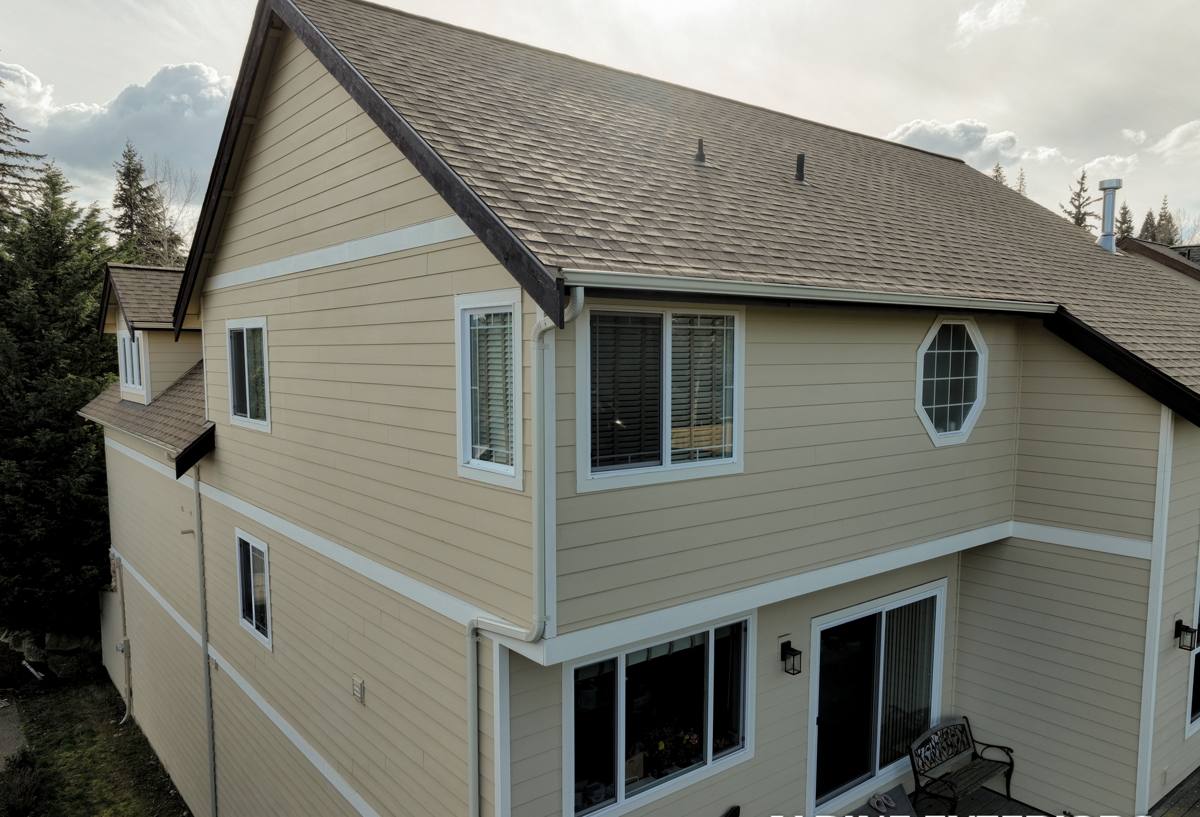
Why University District's Climate Wears Windows Down Faster
Seattle's marine climate means near-constant humidity, frequent wind-driven rain, and a moss and algae season that can stretch from fall through spring. None of that is unique to this neighborhood, but a few things about University District's housing stock make window condition an earlier concern here than in newer parts of the city:
- Older building stock. A large share of homes and duplexes in the area predate double-pane glass as a standard feature, so many windows are on their second or third replacement cycle already.
- Tree cover and shade. Mature trees common to the neighborhood keep siding and window trim damp longer after rain, which accelerates wood rot around frames and sills.
- Mixed housing types. Single-family homes, older duplexes, and small apartment buildings sit close together, and each has different window-replacement quirks — from tight lot-line clearances to shared walls that limit access.
Combine any of that with driving rain and a moss season that never fully lets up, and you get the two failure modes we see most: seal failure (fogging between panes) and frame rot at the sill, where water sits the longest.
What Failing Windows Actually Look Like
Homeowners usually notice one of these before they call:
- Fogging or a milky haze between the panes — the seal has failed and the gas fill (or air gap) is gone
- Soft, spongy, or discolored wood at the sill or lower frame corners
- Windows that are hard to open, don't latch cleanly, or have visibly warped frames
- Persistent drafts even with the window fully closed and locked
- Moss or dark streaking on the exterior sill or trim that keeps coming back after cleaning
- Noticeably higher heating bills in winter with no other explanation
What a Correct Window Replacement Involves
Window replacement looks simple from the outside — pull the old one, drop in the new one — but the parts that determine whether a window lasts are the parts nobody sees once the trim goes back on. In Seattle's climate, the flashing and sealing details matter more than the glass itself.
Our Process
- On-site assessment. We check every opening individually — frame condition, any rot at the sill or king studs, and whether the rough opening is square. Not every window on a house needs the same fix.
- Removal. The old window comes out carefully to avoid damaging surrounding siding or trim, especially on older homes where matching materials isn't always straightforward.
- Rot repair, if needed. Any soft or water-damaged framing gets cut out and replaced before a new window ever goes in. Installing a new window into a rotten opening just hides the problem for a year or two.
- Flashing and weather barrier. This is the step that actually keeps water out over the long run. Proper flashing tape and a correctly lapped weather-resistive barrier direct water down and away from the framing, not into it.
- Setting the window. Leveled, shimmed, and fastened per the manufacturer's installation instructions — not just "close enough."
- Insulation and air sealing. The gap between the window frame and rough opening gets filled with a low-expansion foam or backer rod and sealant, not stuffed with fiberglass that lets air pass through.
- Exterior and interior trim. Trim and caulking are finished to shed water on the outside and look clean on the inside.
- Walkthrough. We test every new window — open, close, lock — and walk the job with you before we consider it done.
Choosing the Right Window for This Neighborhood
There's no single "best" window — the right choice depends on the home's age, your budget, and how much upkeep you want to deal with down the road. We install vinyl and fiberglass windows as our standard product lines because both hold up well against Puget Sound humidity without the ongoing maintenance that painted wood requires. We're straightforward about why we steer most homeowners away from all-wood exterior windows in this climate: wood needs regular repainting and sealing to keep moisture out, and in a neighborhood with this much shade and rain, that maintenance schedule gets demanding fast. If you want a wood interior look, aluminum-clad or wood-interior/vinyl-exterior hybrid units get you that appearance with a lower-maintenance exterior face.
Vinyl vs. Fiberglass — Quick Comparison
| Factor | Vinyl | Fiberglass |
|---|---|---|
| Upfront cost | Lower | Higher |
| Moisture resistance | Very good — won't rot | Excellent — won't rot, more dimensionally stable |
| Expansion/contraction | Moderate — can affect seal life over decades | Minimal — closer to glass, so seals tend to last longer |
| Maintenance | Low — occasional cleaning | Low — occasional cleaning |
| Typical warranty structure | Strong, varies by manufacturer | Strong, often longer on frame |
| Best fit | Most standard replacements, budget-conscious projects | Larger openings, homes where long-term stability matters most |
Glass Packages That Make Sense for Seattle
Glass selection matters as much as frame material here, mostly because of moisture and heat retention, not extreme temperature swings.
- Double-pane, low-E glass is the baseline we recommend for nearly every replacement in this area — it cuts heat loss and reduces condensation risk on the interior pane during cold, damp stretches.
- Argon gas fill between panes adds a modest efficiency boost for a small cost difference and is worth it on most jobs.
- Triple-pane glass is worth discussing for north-facing rooms, homes near busier streets where sound matters, or owners planning to stay long-term and wanting the lowest possible heat loss — but it adds weight and cost, so it's not automatic for every opening.
Rot, Moss, and Sill Damage — The Local Reality
Moss season in Seattle isn't just a roof problem. Moss and algae growth on horizontal surfaces — including window sills and exterior trim — holds moisture against the wood or composite material far longer than open exposure would. On older University District homes with painted wood trim, that means sills are often the first thing to fail, sometimes years before the window unit itself is actually due for replacement. Part of our assessment on every job includes checking sill condition specifically, because installing a new window on top of a compromised sill just moves the problem, it doesn't solve it.
What to Expect: Timeline and Disruption
Most single-window replacements take a few hours; a whole-house project is typically spread over one to a few days depending on the number of openings and whether framing repairs are needed. We work room by room so your home isn't fully open to the weather at once, which matters during Seattle's wetter months. Openings are covered and protected between steps, and we clean up debris and packaging as we go rather than leaving it for a final day.
Pre-Job Checklist for Homeowners
- Clear furniture, blinds, and window treatments from the work area on the day of installation
- Let us know about any interior finish details (trim style, paint color) you want matched
- Flag any known drafts, leaks, or soft spots you've noticed, even ones that seem minor
- Confirm parking and access, especially for homes with tight side-yard or shared-wall access common in this neighborhood
- Ask about warranty coverage on both the product and our installation labor before work starts
Why Hire a Crew That Already Works in This Neighborhood
Window replacement done wrong doesn't usually fail on day one — it fails two or three winters later, when a poorly flashed opening lets water into the wall cavity and nobody notices until there's visible damage. A crew that regularly works in University District and similar older Seattle neighborhoods has already seen how these specific homes are framed, where the common rot points are, and how to match trim and siding details without guessing. That experience shows up in the parts of the job you can't see once it's finished — the flashing, the sealing, the shimming — which are exactly the parts that determine whether your new windows last twenty years or five.
Get a Straightforward Estimate
If you're dealing with foggy glass, drafty rooms, or a sill that's starting to look rough, we're happy to take a look and give you an honest read on what's actually needed — no pressure, no inflated scope. Fill out the form below to schedule a free estimate for your University District home.