 Seattle Siding
 Asphalt Shingle Roofing Built for Ballard's Weather
Ballard sits close to the water, and that proximity shapes everything about how a roof ages here. Salt-laden air off Puget Sound, wind-driven rain that comes in sideways during winter storms, and long stretches of damp, shaded weather that keep moss and algae active nearly year-round all put more stress on a roof than homes further inland experience. An asphalt shingle roof that's installed correctly for this environment can go the distance. One that's installed to a generic standard, without accounting for Ballard's specific conditions, tends to show problems early — granule loss, moss intrusion at the edges, and soft spots where moisture has worked its way under the shingles.
This page is about doing asphalt shingle roofing right for this specific neighborhood: what the climate actually does to a roof here, what a correct installation involves, and how we approach the work from first estimate to final cleanup.
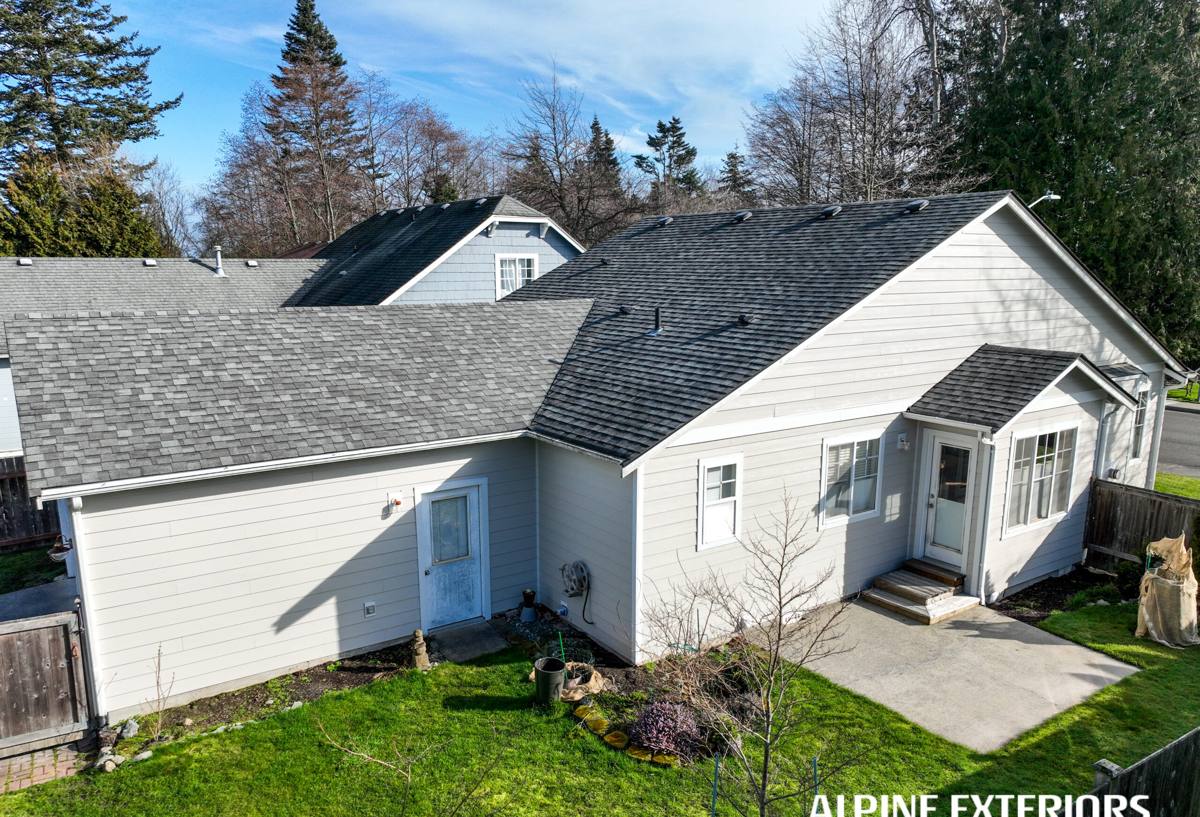
What Salt Air, Driving Rain, and Moss Actually Do to a Roof
Salt Air
Airborne salt doesn't just affect metal — it accelerates the breakdown of asphalt shingle granules and speeds up wear on exposed metal flashing, vent caps, and fasteners. Over time, unprotected or lower-grade metal components can corrode faster than they would a few miles inland, which is why material choice matters as much as installation quality.
Driving Rain
Ballard's winter storms frequently bring rain at an angle instead of straight down. That kind of wind-driven rain tests every seam, flashing detail, and shingle overlap on a roof. A roof that would keep out vertical rainfall can still leak if the underlayment, valley protection, and flashing weren't installed with wind-driven conditions in mind.
Moss and Algae
Shade from mature trees, cool temperatures, and consistent moisture create ideal conditions for moss and algae growth on north-facing and shaded roof slopes. Moss isn't just a cosmetic problem — as it grows, it lifts shingle edges, holds moisture against the roof deck, and can shorten the life of even a well-installed roof if it's left unmanaged for years.
Signs a Ballard Roof Needs Attention
Because Ballard's climate works on a roof gradually, many homeowners don't realize how much wear has accumulated until a leak shows up inside. Here's what we tell people to watch for between inspections:
- Granules collecting in gutters or at the base of downspouts
- Dark streaking or green-black growth on shaded or north-facing slopes
- Shingle edges that look curled, cupped, or lifted
- Moss visible at ridge lines, valleys, or along the lower edge of the roof
- Soft or spongy spots when walked on (a sign of deck moisture underneath)
- Daylight visible through the attic roof deck, or damp insulation below it
- Missing or cracked shingles after a windstorm
- Rust staining or visible corrosion around vent flashing or pipe boots
Any one of these on its own may not be urgent, but several together usually mean it's time for a closer look before a small issue becomes a deck repair.
What a Correctly Installed Asphalt Shingle Roof Includes
A shingle roof is a layered system, and every layer matters more in a climate like Ballard's than it would somewhere drier. Cutting a corner on any one of these layers is usually where the leaks that show up two or three years later come from.
Deck Inspection and Repair
Before anything goes down, the roof deck itself gets checked for soft spots, delamination, or rot — especially around valleys and penetrations where past leaks are most likely to have done damage. Shingles installed over a compromised deck will fail early no matter how good the shingle is.
Ice and Water Barrier at Vulnerable Points
Valleys, eaves, and areas around chimneys or skylights get a self-adhering waterproof membrane underneath the shingles. This is the layer that stops wind-driven rain and any ice buildup during cold snaps from working its way under the shingles at the roof's weakest points.
Synthetic Underlayment
Over the rest of the deck, a synthetic underlayment provides a secondary water barrier and helps the roof shed any moisture that gets past the shingles themselves — which happens more often than people assume in a climate with this much sustained rain.
Flashing
Step flashing at walls, counter-flashing at chimneys, and properly formed valley or drip-edge flashing are what actually stop water at transition points, since shingles alone can't seal those areas. This is one of the most common places a rushed or inexperienced installation fails.
Ventilation
Balanced intake and exhaust ventilation keeps the attic dry and temperature-regulated, which protects the roof deck from the underside and helps prevent condensation — a real issue in a mild, damp climate where attics can stay humid for long stretches.
Fastening and Nailing Pattern
Manufacturer-specified nailing patterns, correct nail placement, and the right fastener count per shingle are what keep a roof intact during wind events. This is also usually a warranty requirement — improper fastening can void shingle manufacturer coverage even if the shingle itself is defective.
Choosing Shingles for a Ballard Home
Not every asphalt shingle is built the same, and the right choice depends on your roof's exposure, slope, and how much shade it gets. Here's how the common categories compare for this climate:
| Shingle Type | Typical Lifespan | Best For | Considerations in Ballard |
|---|---|---|---|
| 3-Tab | 15–20 years | Budget-conscious replacements, simple roof lines | Lower wind resistance; shows granule loss and algae staining sooner |
| Architectural (Dimensional) | 25–30 years | Most homes; better curb appeal and durability | Better wind rating and thicker profile handle driving rain better |
| Algae-Resistant (AR) Granules | Same as base shingle, with added protection | Shaded, north-facing, or tree-covered roofs | Worth the upgrade almost everywhere in Ballard given moss and algae pressure |
| Impact-Rated / Class 4 | 25–30+ years | Homes wanting extra durability and possible insurance discounts | Higher upfront cost; check with your insurer on any premium credit |
For most Ballard homes, we recommend at minimum an architectural shingle with algae-resistant granules. The extra granule protection specifically targets the moss and algae growth this climate encourages, and it's a modest cost difference relative to the life of the roof.
What Drives the Cost of a Shingle Roof Project
Every roof is different, and we don't like giving numbers that don't reflect your actual home, but these are the factors that most commonly move a project's cost up or down:
| Factor | Why It Matters |
|---|---|
| Roof size and number of layers to remove | Tear-off labor and disposal scale directly with square footage and existing layers |
| Roof pitch and accessibility | Steep or hard-to-access roofs require more safety setup and take longer to work |
| Deck condition | Rotten or delaminated decking found during tear-off needs replacement before shingles go down |
| Shingle class chosen | 3-tab, architectural, and impact-rated products carry different material costs |
| Number of valleys, penetrations, and flashing details | More transitions mean more flashing work and labor time |
| Ventilation upgrades | Adding or correcting intake/exhaust ventilation adds material and labor |
We walk every roof and give you a written estimate that spells out what's included, so you're not guessing at what a number covers.
Our Process, Start to Finish
- Inspection and estimate. We walk the roof and attic, check the deck for soft spots, and note any existing moss, flashing issues, or ventilation problems. You get a clear, written estimate — not a vague ballpark.
- Material selection. We talk through shingle options based on your roof's shade exposure, slope, and budget, and explain the trade-offs honestly rather than upselling.
- Scheduling around weather. Tear-off and installation are scheduled with an eye on the forecast — we don't leave a deck exposed when rain is likely.
- Tear-off and deck repair. Old roofing comes off down to the deck, any damaged sheathing is replaced, and the deck is confirmed sound before anything new goes on.
- Underlayment, flashing, and ventilation installation. Every layer described above goes in per manufacturer and code specifications, with particular attention to valleys, penetrations, and wall transitions.
- Shingle installation. Shingles are installed with correct exposure, fastening pattern, and alignment for both appearance and wind performance.
- Cleanup and magnetic sweep. Debris, old materials, and stray fasteners are cleared from the property and surrounding ground.
- Final walkthrough. We review the finished roof with you, cover any warranty paperwork, and answer questions before we consider the job done.
Ongoing Care: Keeping Moss and Algae Under Control
Even a correctly installed roof benefits from periodic upkeep in this climate. A few habits go a long way toward protecting your investment:
- Keep overhanging branches trimmed back to reduce shade and debris buildup
- Clear gutters and valleys of leaves and needles each fall, before winter rains ramp up
- Have visible moss growth treated or removed before it spreads or lifts shingle edges
- Avoid pressure washing shingles directly — it strips protective granules and can shorten shingle life
- Schedule a roof check after any major windstorm to catch lifted or missing shingles early
None of this replaces professional roofing work, but it does extend the life of whatever roof you have and helps catch small problems before they become deck repairs.
Why Hire a Crew That Already Works in Ballard
Roofing standards and permitting requirements are consistent across Seattle and King County, but experience with a specific neighborhood's housing stock and exposure still matters. Ballard has a lot of older bungalow and craftsman-style homes alongside newer construction, and older roof decks and ventilation setups often need a different approach than a roof going onto new construction. A crew that regularly works in this neighborhood has already seen how salt air, shade patterns from mature trees, and driving winter rain play out on roofs like yours, and builds the installation around those realities instead of applying a one-size-fits-all approach.
We also handle the details that make a project run smoothly locally — coordinating any required permitting, protecting landscaping and neighboring property during tear-off, and being upfront about timelines given how unpredictable a Puget Sound winter can be.
Get a Free, No-Pressure Estimate
If your Ballard home's roof is showing granule loss, moss, curling shingles, or you just want an honest opinion on how much life it has left, we're happy to take a look. Use the form below to request a free estimate — no pressure, no obligation, just a straight answer about what your roof needs.