 Seattle Siding
 Ballard's Climate Is Harder on Decks Than Most Homeowners Realize
Ballard sits close to Puget Sound and the ship canal, which means homes here deal with a version of Seattle weather that's a step tougher than what you'd find further inland. Salt-laden air off the water accelerates corrosion on fasteners and metal hardware, driving rain gets pushed sideways into ledger boards and railing joints by wind coming off the water, and the long, damp shoulder seasons in King County give moss and algae months at a time to take hold on any horizontal wood surface that doesn't dry out quickly. A deck that would hold up fine in a drier climate can develop real structural problems here within a decade if it wasn't built or maintained with this environment in mind.
None of that means a Ballard deck is doomed — it means the repair work has to account for moisture and corrosion from the start, not just patch what's visibly broken.
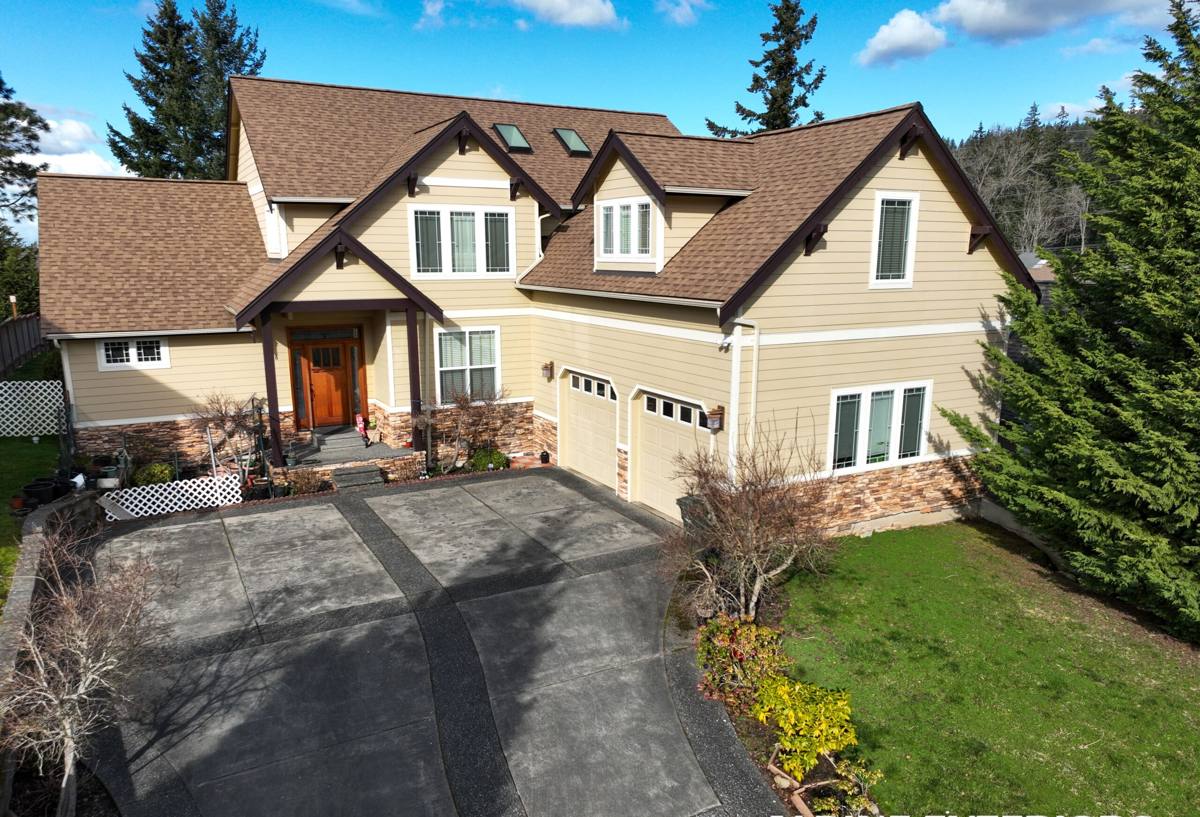
What Ballard's Weather Actually Does to a Deck
Moisture Intrusion
Seattle's rain isn't usually heavy, but it's frequent and it lingers. Water finds its way into end grain, fastener holes, and the joint where a deck ledger attaches to the house. Once moisture gets behind flashing or into a ledger connection, it can sit there for weeks without ever fully drying, which is exactly the condition wood rot needs.
Moss and Algae
Shaded decks under mature trees or on the north side of a house often stay damp long after a storm passes. Moss doesn't just look bad — it holds water against the wood surface and makes boards dangerously slick, which is a real slip hazard on stairs and ramps.
Corrosion
The closer a home sits to the water, the more salt is in the air, and salt speeds up rust on any fastener, bracket, or post base that isn't rated for it. Corroded hardware is one of the most common hidden causes of a deck that "feels a little loose" but shows no obvious surface damage.
Signs a Ballard Deck Needs Repair, Not Just a Cleaning
A pressure wash or a fresh coat of stain can make a tired deck look better without fixing what's actually wrong underneath it. Here's what should prompt an actual inspection:
- Boards that feel spongy, springy, or soft when you walk across them
- Visible gaps, splitting, or cupping in the decking boards
- Rust streaks running down from screws, bolts, or metal brackets
- A railing that wobbles or moves when you lean on it
- Stairs that feel less solid than they used to, especially near the bottom
- Any separation between the deck and the house at the ledger board
- Persistent moss or dark staining that comes back within weeks of cleaning
- Standing water that doesn't drain within a few hours after rain stops
Any one of these can be minor. Several of them together usually point to a structural issue worth having a contractor look at before it gets worse — or before someone gets hurt.
What a Correct Deck Repair Actually Involves
Start Below the Surface
A repair that only replaces the boards you can see is treating the symptom. The ledger connection, the joists, the post bases, and the fasteners holding it all together matter more than the decking itself, because that's where structural failure actually starts. Any competent repair begins by checking those components before deciding what gets replaced.
Flashing and Ledger Connections
The ledger board — where the deck attaches to the house — is the single most common failure point on decks in wet climates like ours. Proper flashing directs water away from that joint instead of letting it pool against the house framing. If a deck was built without adequate ledger flashing, that's often the root cause behind rot that keeps coming back no matter how many boards get replaced.
Fasteners and Hardware
Given the salt air near the water, hardware matters more here than it would inland. Hot-dip galvanized or stainless steel fasteners and connectors cost more up front but hold up far longer against corrosion than standard coated fasteners. Reusing corroded hardware during a repair is a false economy — it just means redoing the same work again in a few years.
Drainage and Airflow
A deck that can't shed water and dry out between storms will keep having problems no matter what materials it's built from. Part of a correct repair is making sure gaps between boards, the slope of the surface, and airflow underneath the deck are actually doing their job.
Repair or Replace? What Actually Decides It
Homeowners often assume visible damage means a full rebuild, or assume a few new boards will solve a problem that's actually structural. The honest answer depends on where the damage is and how far it's spread.
| Factor | Usually a Repair | Usually a Replacement |
|---|---|---|
| Damage location | Isolated boards, railing sections, or stairs | Ledger, main support beams, or multiple joists |
| Framing condition | Solid and dry when probed | Soft, spongy, or crumbling in several spots |
| Age of structure | Under 15-20 years, built to a reasonable standard | Original construction quality was poor or code has changed significantly |
| Extent of rot/corrosion | Localized, caught early | Widespread, especially near the house connection |
| Cost pattern | Targeted fix, lower cost | Repeated repairs would approach rebuild cost anyway |
We'll always tell you honestly which category your deck falls into rather than defaulting to the bigger job.
Decking Material Considerations for This Climate
When we're replacing boards or sections during a repair, the material choice matters more in Ballard's damp, moss-prone conditions than it would in a drier region.
Wood
Cedar and pressure-treated lumber are still reasonable choices and blend naturally with older Ballard homes, but wood needs consistent maintenance here — cleaning, sealing, and periodic staining — to keep moisture and moss from taking hold. Skipping that maintenance is what leads to the rot we get called out to fix.
Composite
Composite decking resists moisture and moss buildup better than wood and needs less upkeep, which is a real advantage in a climate with a long damp season. The trade-off is a higher material cost and the fact that not every composite product performs the same — installation sensitivity and warranty terms vary by manufacturer, so we're selective about what we install and stand behind.
For a repair, we'll often match the existing material unless there's a good reason to switch, and we'll walk you through that trade-off honestly rather than pushing whatever's most profitable for us.
How Our Repair Process Works
- Inspection — We check the whole structure, not just the spot you called about: ledger, framing, hardware, and drainage, in addition to the visible boards.
- Honest assessment — You get a clear explanation of what's actually wrong, what's causing it, and whether it's a repair or something bigger.
- Written scope — We spell out exactly what's being replaced, what hardware and materials we're using, and why.
- The work itself — Structural issues get fixed first, then decking, railing, and stairs, using fasteners and flashing rated for our climate.
- Final check — We confirm the deck is solid, draining properly, and safe to use before we consider the job done.
Maintenance That Actually Extends the Repair
A good repair can be undone by neglect. A few habits make a real difference in a climate like ours:
- Clear leaves and debris from between boards before the wet season sets in
- Clean moss and algae off the surface early, before it stains or gets slick
- Check railings and stair connections once a year for movement
- Reseal or restain wood decking on the schedule the product actually calls for, not just when it looks faded
- Keep gutters and downspouts clear so runoff isn't dumping extra water directly onto the deck
Why It Matters to Hire a Crew That Already Works in Ballard
A contractor who works this neighborhood regularly already knows how the older housing stock here was typically built, how exposed a given lot is to wind and salt air off the water, and which failure points show up again and again in this specific pocket of Seattle. That's not a substitute for a proper inspection of your deck, but it does mean fewer surprises and a repair plan that's realistic from the start, rather than one based on assumptions from a drier or more inland part of King County.
If your deck in Ballard is showing soft spots, rust stains, a wobbly railing, or moss that keeps coming back, we're happy to take a look and give you a straight answer about what it needs. Reach out for a free, no-pressure estimate using the form below.