 Seattle Siding
 Why Ballard Homes Need a Different Approach to Windows
Ballard sits close enough to Puget Sound that salt-laden air, wind-driven rain, and long stretches of damp, low-light weather are just part of owning a home here. Add in the moss and algae growth that thrives in King County's mild, wet winters, and you've got a climate that is genuinely harder on window assemblies than most manufacturers' warranty testing accounts for. Frames, seals, and flashing details that hold up fine in a dry inland climate can fail years early in a neighborhood a few blocks from the water.
We install and replace windows across Seattle, but Ballard jobs get their own checklist. Salt air accelerates corrosion on hardware and fasteners. Driving rain from the west and southwest tests flashing and sill details far more aggressively than a light vertical rain would. And moss season — which in Ballard can stretch from fall through spring — means anything that traps organic debris against a window frame becomes a long-term moisture problem, not just a cosmetic one.
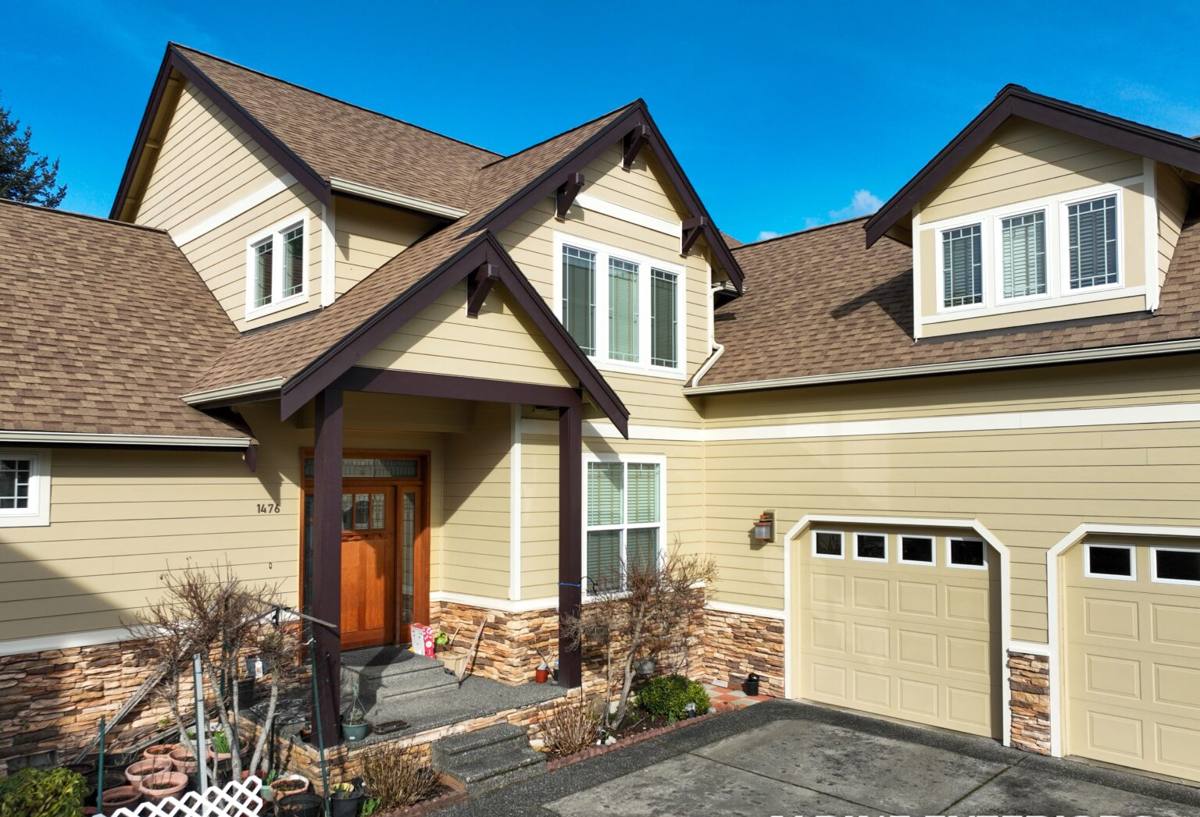
What "Energy-Efficient" Actually Means in This Climate
Energy-efficient windows get marketed around U-factor and solar heat gain numbers, and those matter, but in Ballard the bigger practical question is usually air and water sealing. A window can carry a great efficiency rating on paper and still leak cold drafts and moisture at the frame if the installation isn't right for our rain patterns. We treat efficiency and weatherproofing as the same job, not two separate ones.
The Numbers That Matter Here
- U-factor: Measures heat loss through the window. Lower is better for our heating-dominated climate — look for 0.30 or lower on most replacement windows.
- Solar Heat Gain Coefficient (SHGC): Less critical here than in sunnier climates, but still worth a moderate rating since Ballard gets real summer sun exposure on west-facing walls.
- Air Leakage (AL): Often overlooked, but in a house that takes wind off the Sound, a tight AL rating (0.3 cfm/ft² or lower) makes a real difference in comfort and heating bills.
- Condensation Resistance: Relevant for Ballard's humid winters — a window that resists interior condensation keeps moisture from accumulating on sills and sashes.
None of these numbers protect a home on their own. A window with excellent lab ratings installed with a poor sill pan or inadequate flashing will still leak. Installation quality is where most of the real-world performance is won or lost.
What Salt Air, Rain, and Moss Actually Do to Windows
Salt Air and Hardware Corrosion
Homes within a few miles of Puget Sound see accelerated corrosion on exposed metal — hinges, locks, cranks, and fasteners. Standard mill-finish aluminum and lower-grade steel hardware can start showing pitting and stiffness years before they would inland. We spec corrosion-resistant hardware and fasteners on Ballard installs specifically because of this, not as an upsell but because replacing seized hardware five years in is a bigger cost than paying for the right hardware once.
Driving Rain and Flashing Failure
Wind-driven rain doesn't just fall on a window — it gets pushed sideways and upward under trim and behind flashing that isn't properly lapped. Ballard's exposure to weather coming off the Sound makes this a real concern, especially on upper stories and west- or southwest-facing walls. A correct install uses a sloped sill pan, properly integrated flashing tape, and a weather-resistive barrier tie-in that sheds water outward at every layer — not just a bead of caulk around the trim.
Moss, Algae, and Trapped Moisture
Moss doesn't grow on the glass, but it grows on sills, in corners, and along trim where organic debris collects and stays damp. Over a Ballard winter, that trapped moisture works into any gap in caulking or flashing. We detail trim and sills to shed water and debris rather than catch it, and we use sealants rated for sustained damp exposure rather than a standard latex caulk that will crack and let moisture in within a season or two.
Choosing the Right Window Material and Frame
| Frame Material | Performance in Ballard's Climate | Maintenance Considerations |
|---|---|---|
| Vinyl | Good energy performance, resists moisture and doesn't corrode; a common, cost-effective choice | Low maintenance; quality varies significantly by manufacturer |
| Fiberglass | Excellent dimensional stability in temperature swings and damp conditions; strong long-term performance near the water | Low maintenance; higher upfront cost |
| Aluminum | Durable but conducts heat and cold readily unless thermally broken; can be more prone to condensation | Needs corrosion-resistant hardware and finish near salt air |
| Wood | Strong insulating properties but the most vulnerable to Ballard's moisture and rot risk without diligent upkeep | Highest maintenance; requires regular finish upkeep and moisture monitoring |
| Wood-Clad | Combines wood's interior insulation with a protective exterior cladding; performs well if the cladding seal is done correctly | Moderate; exterior cladding reduces but doesn't eliminate moisture exposure risk |
We don't push one material on every job. A lot of Ballard homeowners land on vinyl or fiberglass for the exterior-facing durability, especially on walls that take direct weather. Wood or wood-clad units still make sense on more protected elevations where the look matters more and moisture exposure is lower. We'll walk the house with you and talk through which walls actually need the toughest spec.
Why We're Selective About Certain Products
Some window lines look competitive on price but use hardware finishes or seal systems that aren't built for sustained coastal exposure. Rather than install something we'd expect to need warranty service or hardware replacement within a few years in this climate, we stick to product lines with a track record of holding up to salt air and driving rain, and we're upfront if a product a homeowner is considering isn't one we'd recommend for their specific exposure on their home.
Our Installation Process for Ballard Homes
1. On-Site Assessment
We look at each window opening individually — orientation, wall exposure, existing flashing condition, and any signs of past moisture intrusion or moss buildup. Not every window on a house faces the same risk, and the spec should reflect that.
2. Removal and Opening Prep
Once the old window is out, we inspect the rough opening for hidden water damage or rot before anything new goes in. This is often where problems from a prior, lower-quality install turn up, and it's much cheaper to address them now than after a new window is sealed in place.
3. Sill Pan and Flashing Integration
We install a sloped sill pan and integrate flashing with the existing weather-resistive barrier in the correct shingle-lap order, so water is always directed outward and down, never trapped behind the window.
4. Window Set and Seal
The window is set level and plumb, shimmed correctly to avoid stressing the frame, and sealed with sealants and backer rod suited to sustained damp exposure — not a quick bead of standard caulk.
5. Interior and Exterior Trim
Exterior trim is detailed to shed water and resist debris buildup where moss tends to take hold. Interior trim is finished cleanly once the exterior weatherproofing is confirmed sound.
6. Final Check
We test operation, check seals, and walk the job with the homeowner before calling it done.
Signs Your Ballard Home's Windows May Need Attention
- Visible moss, algae, or persistent green staining on sills or trim
- Drafts or cold spots near window frames during windy weather off the Sound
- Condensation forming between panes (a sign the seal has failed) or excessive interior condensation on cold days
- Stiff, corroded, or hard-to-operate hardware, especially on street-facing or upper-story windows
- Soft or discolored trim or sill wood, which can indicate moisture has already gotten behind the frame
- Noticeably higher heating bills without another clear cause
- Visible gaps, cracked caulking, or daylight showing around the frame
Any one of these on its own isn't necessarily an emergency, but a few of them together usually means it's worth having someone take a real look before the next wet season.
Cost Factors for Ballard Window Replacement
| Factor | Why It Affects Cost |
|---|---|
| Frame material | Fiberglass and quality vinyl cost more upfront than budget vinyl but typically last longer in this climate |
| Number and size of openings | Larger or custom-sized windows and full-house replacements scale cost accordingly |
| Condition of existing opening | Hidden rot or water damage found during removal adds repair work before the new window goes in |
| Flashing and sill detail complexity | Upper-story or heavily exposed walls facing the Sound often need more thorough flashing work |
| Hardware and finish spec | Corrosion-resistant hardware for salt-air exposure costs more than standard finishes but avoids early failure |
| Access and site conditions | Second-story or hard-to-access windows can require additional equipment or labor |
Broad ranges vary a lot based on these factors, which is why we prefer to give a real number after seeing the specific openings rather than quoting a blanket per-window price that doesn't hold up once we're actually on site.
Why Hire a Crew That Already Works in Ballard
Window installation isn't uniform across Seattle. A crew used to installing in drier, more inland parts of King County can do a technically fine job that still isn't specced for what a Ballard wall actually deals with — the salt exposure, the rain angle, the moss. We work this neighborhood regularly, so we're not guessing at what holds up here; we're applying what we've already seen fail and what we've already seen last. That shows up in small decisions — hardware grade, sealant choice, flashing detail — that don't show up on a spec sheet but matter a lot five winters from now.
If you're weighing a window project for a Ballard home, we're happy to take a look and give you a straightforward, no-pressure estimate — including an honest read on whether replacement makes sense yet or if targeted repairs will hold for now. Use the form below to get started.