 Seattle Siding
 Windows in Ballard Take a Different Kind of Beating
Ballard sits close enough to Puget Sound and the Ship Canal that its houses deal with a slightly different mix of weather stress than homes further inland in Seattle. You've got salt-laden air rolling off the water, driving rain that hits west- and southwest-facing walls at an angle instead of straight down, and a moss and mildew season that runs long into what other parts of the country would call summer. None of that is exotic — it's just Pacific Northwest coastal living — but it does mean window installation here isn't a one-size-fits-all job. The flashing details, sealant choices, and frame materials that hold up fine in a dry inland climate can fail faster on a home a few blocks from the water.
We install windows across King County, and Ballard's older housing stock — a mix of early-1900s craftsman and foursquare homes alongside decades of infill construction — gives us a good sense of what actually goes wrong here over time versus what's just cosmetic wear.
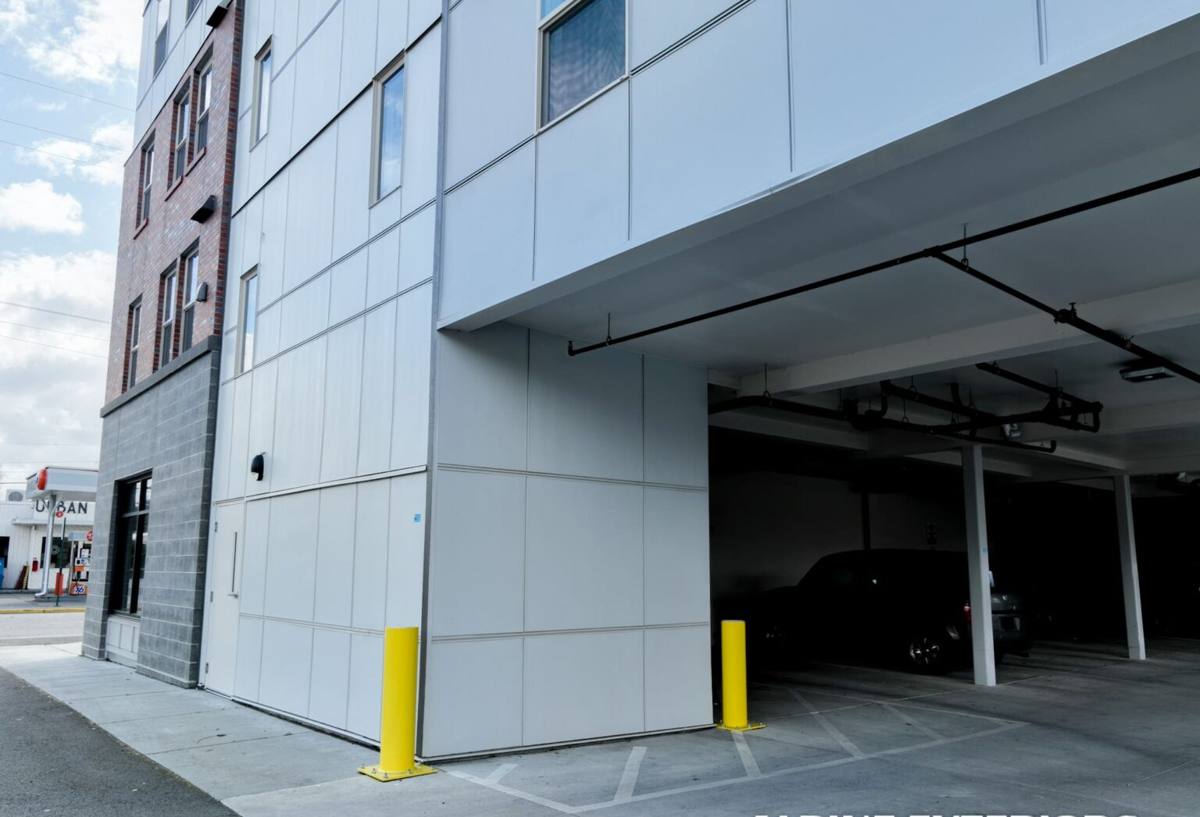
What Ballard's Climate Actually Does to a Window Over Time
Salt Air and Metal Fatigue
Homes closer to the water see accelerated corrosion on window hardware — hinges, cranks, and especially aluminum components that weren't specified for coastal exposure. It's slow, but it's real, and it's one reason we pay attention to hardware finish and frame material on jobs near the Sound rather than defaulting to whatever's cheapest.
Driving Rain and Wind-Driven Water Intrusion
Seattle's rain isn't usually heavy, but it's frequent and it often comes in sideways during winter storms. A window that's caulked well but flashed poorly will look fine for a year or two, then start showing water staining on interior sills or soft spots in the surrounding wall framing. Correct flashing — not just caulk — is what actually keeps water out over the long run.
Moss, Mildew, and a Long Wet Season
Ballard's moss season stretches from fall through spring in a typical year. Moss and algae growth around window trim and sills holds moisture against wood and paint longer than most homeowners realize, which accelerates rot in untreated or poorly primed trim. It also tends to build up fastest on north-facing and shaded elevations, which is worth flagging when we're scoping a job.
Wood Movement from Humidity Swings
Older wood-framed window openings in Ballard's craftsman and foursquare homes have usually seen decades of seasonal swelling and shrinking. That movement can throw an opening slightly out of square, which matters a lot when a new window needs a tight, shimmed, and properly sealed fit.
What a Correct Window Installation Involves
Window installation looks simple from the outside — pull the old unit, set the new one, trim it out. The part that actually determines whether the window performs for the next 20-plus years happens in the two or three steps most homeowners never see.
- Opening inspection before anything is ordered. We check for square, level, plumb, and any hidden rot or moisture damage around the existing frame. This is where we catch problems that would otherwise surface after the new window is already installed.
- Removal without damaging the surrounding wall assembly. Old sashes, frames, and any deteriorated trim come out cleanly so we're not sealing a new window against compromised material.
- Correct flashing sequence. Sill pan flashing, side flashing, and head flashing installed in the right order (bottom to top, shingle-style) so water is directed out and down, never trapped behind the new unit.
- Air sealing and insulation at the rough opening. The gap between the window frame and the framing gets sealed and insulated properly — not just stuffed with fiberglass, which does little for air infiltration.
- Shimming and fastening to spec. The window gets shimmed square and fastened per the manufacturer's instructions, which matters for both performance and warranty validity.
- Interior and exterior trim, caulking, and finish work. Sealant is a backup to good flashing, not a substitute for it — but it still has to be done right, with the correct product for the surface and exposure.
Choosing the Right Window for a Coastal-Adjacent Ballard Home
Frame Material
Vinyl, fiberglass, and wood-clad windows all show up in Ballard homes, and each has real trade-offs rather than a single "best" answer. Vinyl is low-maintenance and budget-friendly but can expand and contract more with temperature swings. Fiberglass holds dimensional stability well and handles moisture exposure without the corrosion concerns aluminum brings near the water. Wood-clad windows look great on craftsman-style homes but need the cladding and any exposed wood detailing kept sealed, especially on rain-facing elevations.
Glass Package
Double-pane with low-E coating is the standard baseline for our climate and handles Seattle's temperature range well. Triple-pane adds meaningful sound dampening — worth considering if a home is near a busier Ballard street — and a bit more thermal performance, at a higher cost that doesn't always pencil out for every project.
Hardware and Weatherstripping
Given the salt air factor, we lean toward hardware finishes and materials with better corrosion resistance for homes within a mile or so of the water. Weatherstripping quality also matters more here than in drier climates — it's doing double duty against both air infiltration and wind-driven rain.
| Factor | Why It Matters in Ballard | What We Recommend |
|---|---|---|
| Frame material | Salt air accelerates corrosion on unsuitable metals | Fiberglass or quality vinyl; corrosion-resistant hardware near the water |
| Flashing detail | Driving rain finds gaps that caulk alone won't stop | Full sill pan and shingle-lap flashing sequence, no exceptions |
| Glass package | Year-round humidity and moderate temperature swings | Double-pane low-E standard; triple-pane where sound or extra efficiency matters |
| Trim and sealant | Long moss season holds moisture against wood trim | Properly primed/sealed trim, moisture-tolerant sealant matched to substrate |
| Installation timing | Wet season limits open-wall time | Scheduled around forecast windows, opening protected if weather turns |
Our Process for a Ballard Window Installation
- Free on-site assessment. We look at the existing windows and openings, check for rot or moisture issues, and talk through what's actually needed versus what's optional.
- Honest scope and estimate. You get a clear breakdown of what's included — removal, flashing, insulation, trim, cleanup — not just a single lump-sum number with no explanation.
- Scheduling around the weather. We watch the forecast and plan installation days to minimize how long any opening is exposed, which matters more here than in drier climates.
- Installation following manufacturer specs. Every window is installed per the manufacturer's written instructions, which keeps the warranty intact and the performance where it should be.
- Final walkthrough. We check operation, sealing, and trim with you before we consider the job done, and answer any questions about care going forward.
Signs a Ballard Homeowner Should Get Windows Looked At
- Visible water staining on interior sills or the wall below a window after heavy rain
- Drafts you can feel near the frame even with the window fully closed
- Windows that are difficult to open, close, or lock — often a sign the frame has shifted
- Persistent moss, algae, or dark staining building up on exterior trim
- Fogging or condensation between panes, which means a seal failure on the glass unit itself
- Soft or spongy trim wood when pressed, a sign rot has already started
Why a Crew That Already Works Ballard Matters
A lot of window problems in this area trace back to installation shortcuts that weren't visible on day one — flashing skipped or done out of sequence, sealant used as the only line of defense against water, or hardware that wasn't suited for salt air exposure. We've seen what those shortcuts cost homeowners a few years down the line, and we build our process specifically to avoid them. Working regularly in Seattle and King County neighborhoods like Ballard means we're not guessing at how the local climate affects a window installation — we're accounting for it from the first site visit.
We also stand behind the work itself. If something about the installation isn't right, that's on us to fix, not something you should have to chase down later.
Get a Free, No-Pressure Estimate
If you're dealing with drafty, foggy, or hard-to-operate windows in Ballard — or you're planning ahead for a replacement before the wet season makes it harder to schedule — we're happy to take a look and give you a straight answer on what your home actually needs. Fill out the form below for a free estimate, no pressure and no obligation.