 Seattle Siding
 Roof Replacement Built for Green Lake's Conditions
Green Lake sits close to the water and under a heavy tree canopy, which means homes here deal with a specific combination of moisture, shade, and organic debris that drier or more open Seattle neighborhoods don't face to the same degree. A roof replacement in this part of King County isn't just about swapping old shingles for new ones — it's about designing a roofing system that can handle months of low sun angles, damp air off the lake, and a steady supply of leaves, needles, and pollen landing on the surface year-round.
We've worked on homes throughout the Green Lake area long enough to know which roof styles hold up and which ones struggle. This page walks through what that actually means for your roof, what a correct replacement involves, and how we handle the job from first inspection to final cleanup.
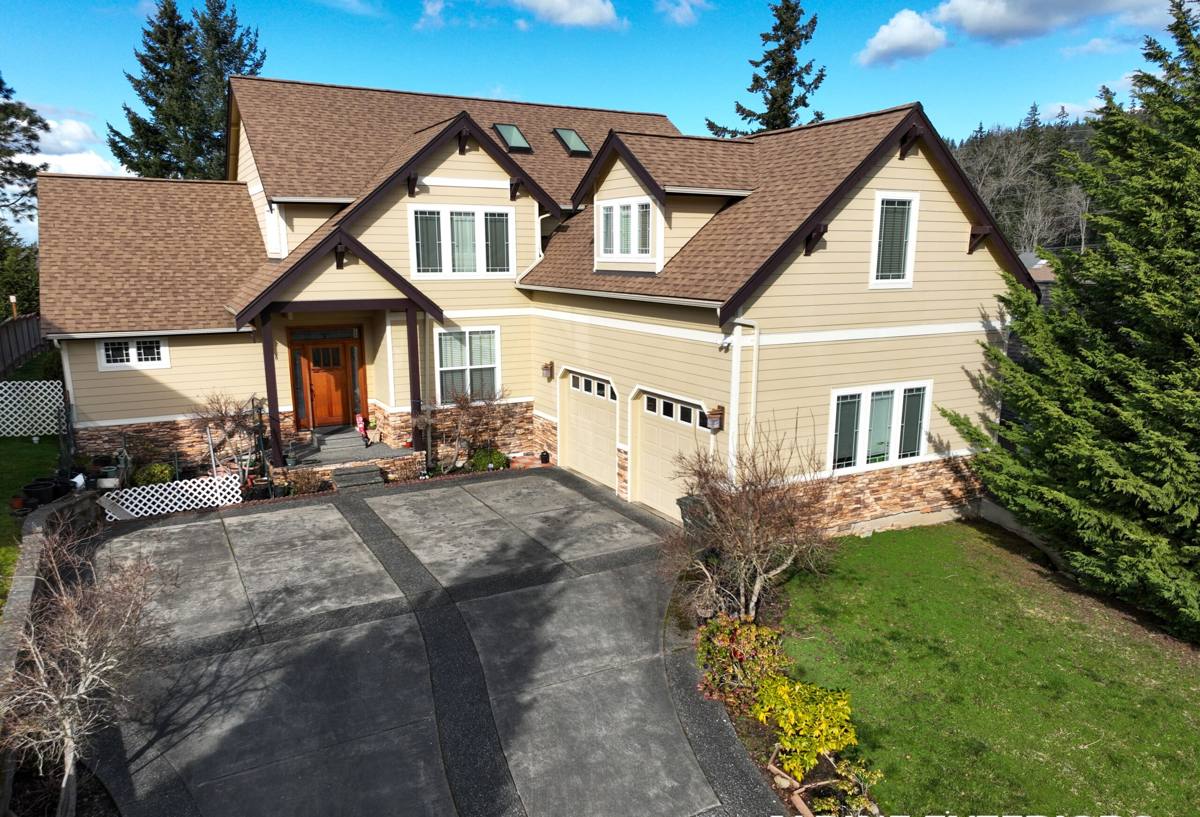
Why Green Lake's Climate Is Hard on Roofs
Seattle's marine climate brings driving rain, long stretches of overcast weather, and enough humidity to keep roof surfaces damp for days at a time. Around Green Lake specifically, mature trees and proximity to the water add a few extra layers of wear:
- Shade and slow drying: Tree cover keeps parts of many roofs in shadow for much of the day, so moisture lingers longer than it would on a roof with full sun exposure.
- Moss and algae growth: The combination of shade, moisture, and organic debris is close to ideal moss habitat. Moss holds water against the roofing material and, over time, lifts shingle edges and works its way under flashing.
- Gutter and valley debris: Leaves and needles collect in valleys and gutters, creating dams that push water back under shingles instead of off the roof.
- Wind-driven rain: Storms off the lake and the broader Puget Sound push rain sideways at times, which tests every seam, flashing point, and vent boot on a roof.
None of this means a roof is doomed — it means the materials, ventilation, and installation details have to be chosen with these conditions in mind, not just picked off a shelf.
Signs a Green Lake Roof Needs Replacing
Not every roof problem calls for full replacement, but certain signs mean patching is no longer the honest answer:
- Shingles that are cupping, cracking, or losing granules in large patches, not just a few spots
- Moss coverage that keeps coming back within a season or two of cleaning
- Soft or spongy decking felt underfoot in the attic or visible sagging from the street
- Daylight visible through the roof deck from inside the attic
- Water stains on interior ceilings or attic insulation, especially after wind-driven storms
- A roof at or past the manufacturer's expected service life for its material type
If you're seeing one or two of these, an inspection can usually tell you whether repair still makes sense. If you're seeing several at once, replacement is typically the more cost-effective path — repeated patching on an aging roof rarely saves money long-term.
Why Waiting Usually Costs More
A roof that's failing doesn't fail evenly. Water that gets past worn shingles or flashing travels along the deck before it shows up as a stain inside, which means visible damage is often a sign the problem has been active for a while. Deferred roof replacement in a wet climate like this one tends to turn into deck repair, insulation replacement, and sometimes interior drywall work — costs that a timely roof replacement would have avoided.
Roofing Materials That Perform in This Climate
We install a range of roofing systems, and the right one depends on your home's roof pitch, budget, and how much shade and moss pressure the roof sees. Here's how the common options compare for a Green Lake home:
| Material | Moisture & Moss Resistance | Typical Lifespan | Best Fit |
|---|---|---|---|
| Asphalt composition shingle | Good with proper ventilation and algae-resistant granules | 25-30 years | Most homes; best value and widest style range |
| Standing seam metal | Excellent — sheds water and moss struggles to root | 40-50+ years | Steep or shaded roofs, homeowners wanting low long-term maintenance |
| Wood shake/shingle | Poor in shade — holds moisture, high moss and rot risk | 20-30 years with heavy upkeep | Historic or style-matched projects only, with clear maintenance commitment |
| Synthetic/composite shingle | Good — engineered to resist moisture absorption | 30-50 years | Homeowners wanting shake appearance without shake's moisture issues |
We're candid with clients about wood shake in a heavily shaded, lake-adjacent setting: it can look great, but it demands more frequent cleaning and inspection than other materials to avoid moss and rot problems, and that maintenance burden should be a real part of the decision, not an afterthought.
What a Correct Roof Replacement Includes
A roof is a system, not just a top layer of shingles. Skipping any of these steps is where premature failures usually start:
Tear-Off and Deck Inspection
We remove the old roofing down to the deck so we can actually see the plywood or sheathing underneath. This is the point where hidden rot or soft spots — common on shaded roofs that have held moisture for years — get found and replaced before anything new goes down.
Underlayment
In a climate with this much sustained rainfall, underlayment quality matters as much as the shingle itself. We use synthetic or self-adhered underlayment appropriate to the roof pitch, with ice-and-water shield style membrane at eaves, valleys, and around penetrations where wind-driven rain is most likely to find a way in.
Flashing
Flashing around chimneys, skylights, vent pipes, and roof-to-wall transitions is one of the most common failure points on older roofs. We replace flashing as part of a full roof replacement rather than reusing old pieces, since flashing that's already flexed and aged is a weak point in an otherwise new roof.
Ventilation
Proper intake and exhaust ventilation keeps the underside of the roof deck dry and helps prevent the kind of trapped moisture that leads to rot and mold in a climate this damp. We check existing ventilation and correct it as part of the replacement when it's inadequate — this is often overlooked and is a major factor in how long a new roof actually lasts.
Final Details
Ridge caps, drip edge, and gutter apron all get installed to manufacturer spec, and we clean the job site of old materials, nails, and debris before we consider the job finished.
Our Process, Start to Finish
- Inspection and estimate: We look at the current roof, attic ventilation, and any signs of deck damage, and give you a straightforward assessment of repair versus replacement.
- Material selection: We walk through material options based on your roof's exposure to shade and moss, your budget, and how the home looks from the street.
- Scheduling: We plan around weather windows, since a dry stretch matters more here than in drier climates for a clean, watertight install.
- Tear-off and deck repair: Old roofing comes off, the deck gets inspected, and any damaged sheathing is replaced before new materials go down.
- Installation: Underlayment, flashing, ventilation corrections, and the finish roofing material are installed to spec.
- Cleanup and walkthrough: We clear the site of debris and walk the finished roof with you before calling the job complete.
Why Local Experience in Green Lake Matters
A roofing crew that regularly works this neighborhood knows which streets sit under the heaviest tree cover, which roof pitches near the lake tend to hold moss longest, and how local permitting works in Seattle and King County. That familiarity shows up in small but real ways — knowing to check ventilation more closely on a shaded north-facing roof, or recommending algae-resistant shingles as standard rather than an upsell, because we've seen what happens without them on roofs just like yours.
It also means we're not guessing at how the Pacific Northwest's wet season will affect scheduling or material choices. We plan replacement projects around Seattle's weather patterns, not a generic install calendar built for a drier region.
Roof Replacement Cost Factors
Costs vary based on several factors we walk through during the estimate rather than quoting a number sight unseen:
- Roof size and pitch — steeper roofs take longer and require more safety setup
- Material chosen — asphalt shingle, metal, and synthetic products carry different material and labor costs
- Deck condition — hidden rot found during tear-off adds material and labor to repair it properly
- Number of penetrations — chimneys, skylights, and vents each need individual flashing work
- Access and tree cover — limited access or heavy overhanging branches can affect setup and cleanup time
We give real numbers after an in-person look at your roof, not a rough guess over the phone, because the factors above genuinely change the cost from one home to the next.
Ready for a Straight Answer About Your Roof?
If your roof is showing moss, wear, or signs of age, we're glad to take a look and give you an honest assessment — no pressure, no upsell on materials you don't need. Fill out the form below to schedule a free estimate for roof replacement at your Green Lake home.