 Seattle Siding
 Building Decks That Hold Up on Beacon Hill
Beacon Hill is one of Seattle's hillier neighborhoods, and that terrain shapes almost every deck built here. Steep and sloped lots are common, mature tree canopy shades large parts of many yards, and the whole area sits inside the same wet, marine-influenced climate that defines King County — driving rain through the fall and winter, salt-tinged air carried in off Puget Sound, and a moss season that can run eight months or longer. A deck designed without those conditions in mind will show problems within a few seasons: soft ledger boards, corroded hardware, slick moss-covered boards, and framing that traps water instead of shedding it.
A correctly built deck accounts for all of this from the first sketch, not as an afterthought. That means grading the framing to drain, choosing fasteners rated for wet, salt-exposed environments, and picking a decking material that matches how much sun and airflow the site actually gets — which on a shaded Beacon Hill lot may be very little.
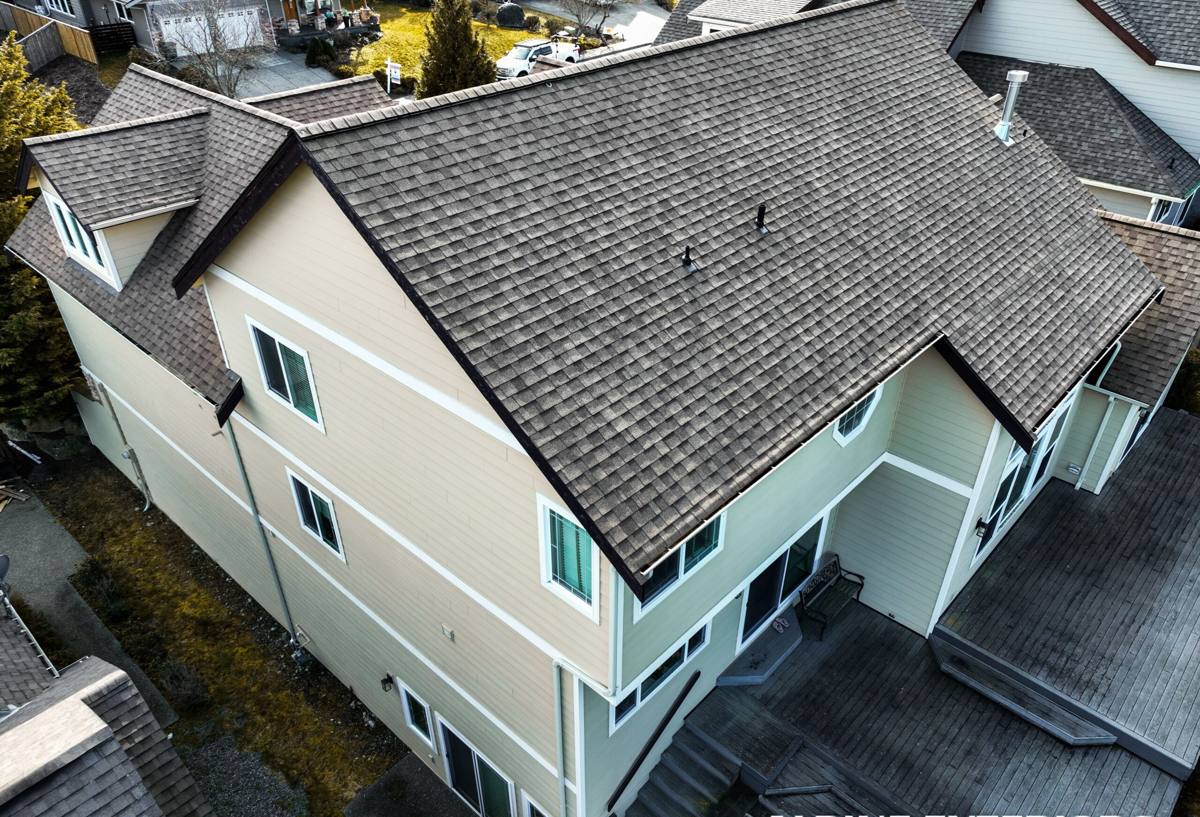
What Beacon Hill's Terrain and Climate Actually Demand
Elevation Changes and Sloped Yards
Many Beacon Hill lots step down or drop away from the house, which means a deck often has to do double duty as both outdoor living space and a transition between two different grade levels. That calls for taller support posts, engineered footings sized for the added height and load, and stair runs that are laid out for the actual slope rather than a flat-lot assumption. Getting this wrong doesn't just look bad — it puts unnecessary stress on connections that are already working harder than they would on level ground.
Rain, Salt Air, and a Long Moss Season
Seattle's driving rain doesn't fall straight down — wind pushes it sideways into ledger connections, under flashing, and into any gap that isn't properly sealed. Add the low-grade salt air that moves through the broader Puget Sound region and you get accelerated corrosion on any fastener or connector that isn't rated for it. Shaded decks under tree cover stay damp longer after every rain, which is exactly the environment moss and algae need to take hold on wood and even on some composite surfaces.
The Structural Basics That Separate a Correct Deck From a Future Problem
Ledger Board Attachment and Flashing
The ledger — the board that attaches the deck to the house — is the single most common failure point on decks in wet climates. It has to be through-bolted (not just nailed), properly flashed with material that directs water away from the house sheathing, and separated from the siding with a gap or flashing detail that lets water drain instead of wicking into the wall assembly. We treat this connection as the most important part of the build, because it's also the hardest one to fix after the fact without tearing into the siding.
Footings Sized for the Site
Footing depth and size need to match the actual soil and load conditions on the lot, not a generic assumption. On sloped Beacon Hill sites, that often means deeper or engineered footings to keep the structure stable over time as soil moisture shifts through the wet season.
Fasteners and Hardware
Every screw, bolt, joist hanger, and post base should be rated for exterior, ground-contact, and salt-air exposure — stainless steel or heavy hot-dip galvanized, matched to the type of lumber being used (some treated lumber chemicals corrode standard galvanized fasteners faster). Mixing the wrong hardware with the wrong wood is a quiet mistake that doesn't show up as a problem until years later.
Choosing a Decking Material for a Wet, Shaded Climate
There's no single "best" decking material — the right choice depends on how much sun and airflow the deck actually gets, how much maintenance the homeowner wants to keep up with, and budget. Here's how the common options actually compare under Beacon Hill conditions:
| Material | Moisture Behavior | Maintenance | Typical Lifespan |
|---|---|---|---|
| Pressure-treated lumber | Resists rot when properly sealed; can cup or check if left unfinished | Needs re-staining or sealing every 1-3 years, especially in shade | 15-20 years with upkeep |
| Western red cedar | Naturally rot- and insect-resistant; still absorbs moisture without finish | Regular cleaning and refinishing to hold color and resist moss | 15-25 years with upkeep |
| Composite decking | Doesn't rot or splinter; can still grow surface moss/algae in constant shade | Periodic washing; no staining or sealing required | 25-30+ years, manufacturer-dependent |
On heavily shaded Beacon Hill lots, we're often more careful recommending composite in full-shade, low-airflow spots than in open, sunny yards — even low-maintenance materials still need some sun and air movement to stay dry and moss-free. Wood decking in the same conditions needs a realistic maintenance conversation up front, not a promise that it will look new with no work.
Designing for Sloped and View-Oriented Lots
Because so many Beacon Hill properties have grade changes and, in some spots, valley or skyline views, deck design here is often about more than a flat rectangle off the back door. Multi-level decks, taller guardrails on elevated sections, and stair layouts that follow the natural slope are common. Every elevated section and stair run needs code-compliant guardrail height and spacing, and railing hardware needs the same corrosion resistance as the rest of the structure — railings take direct weather exposure on all sides.
Drainage and Moss Prevention: The Long Game
A deck that sheds water well needs far less maintenance over its life. That starts with board spacing that lets water drain through rather than pool on the surface, framing pitched slightly away from the house, and keeping the underside of the deck ventilated so it can dry out between rains instead of staying damp for days. On shaded Beacon Hill lots, we also think about how tree cover affects drying time and plan gaps and airflow accordingly.
Even a well-built deck needs some seasonal upkeep in this climate. A simple maintenance routine goes a long way:
- Clear leaves and debris from board gaps and stair treads before they trap moisture
- Wash the surface at least once a year to remove early moss and algae growth before it takes hold
- Check railing and stair hardware for rust or loosening, especially after the wettest months
- Inspect the ledger flashing area for any signs of water staining on the siding above it
- Re-seal or re-stain wood decking on the schedule the finish product actually calls for, not just when it looks faded
Permits and Code in Seattle
Most attached decks in Seattle, and any deck raised significantly above grade, require a building permit and inspection through the city, and King County has its own requirements for unincorporated areas nearby. Permitted work means the structural connections, footings, and guardrails get checked against current code — not just built to look right. We handle the permitting and inspection process as part of the job so homeowners aren't left figuring out city requirements on their own.
How We Approach a Beacon Hill Deck Project
- Site visit and assessment — we walk the actual slope, sun exposure, and drainage pattern of the lot before recommending anything
- Design and material selection — layout suited to the grade, with a material recommendation based on how much shade and airflow the space really gets
- Permitting — plans submitted and approved before framing begins
- Structural build — footings, ledger flashing, framing, and hardware installed to spec, with connections you can trust in a wet climate
- Decking, railings, and finish work — surface material, guardrails, and stairs completed and inspected
- Final walkthrough — we go over care and maintenance specific to the deck's exposure before we call the job done
Why Local Experience on Beacon Hill Matters
A deck contractor who regularly works Beacon Hill's sloped lots already knows how to plan footings and stairs for grade changes, has a feel for which yards stay damp longest under tree cover, and isn't guessing at how a design will hold up through a wet King County winter. That experience shows up in fewer surprises during the build and a deck that's designed for the lot it's actually going on, not a generic layout adjusted on the fly.
Before hiring anyone for a deck project, it's worth asking a few direct questions:
- Are you licensed and insured to work in Seattle, and can you provide proof?
- Who pulls the permit, and is that included in the estimate?
- What fastener and hardware grade do you use, and is it rated for this climate?
- How is the ledger board flashed and attached to the house?
- What does routine maintenance look like for the specific material you're recommending?
If a contractor can't give clear, specific answers to these, that's worth noting before signing anything.
If you're planning a new deck or replacing one that's showing its age, we're happy to take a look and put together a free, no-pressure estimate — just fill out the form below and we'll go from there.