 Seattle Siding
 Asphalt Shingle Roofing Built for West Seattle's Conditions
West Seattle sits close enough to Puget Sound that homes here deal with a mix of conditions you don't get everywhere in King County: salt-laden air off the water, long stretches of driving rain, and a moss season that can run most of the fall and winter. An asphalt shingle roof that's installed correctly for this environment will hold up for decades. One that's installed to a generic spec, or by a crew that doesn't work this area regularly, tends to show problems early — granule loss, moss colonies, soft spots at the eaves, and leaks that show up two or three winters in.
This page covers what an asphalt shingle roof actually needs to perform well on a West Seattle home, what our installation process looks like, and what to weigh when you're comparing shingle options or contractors.
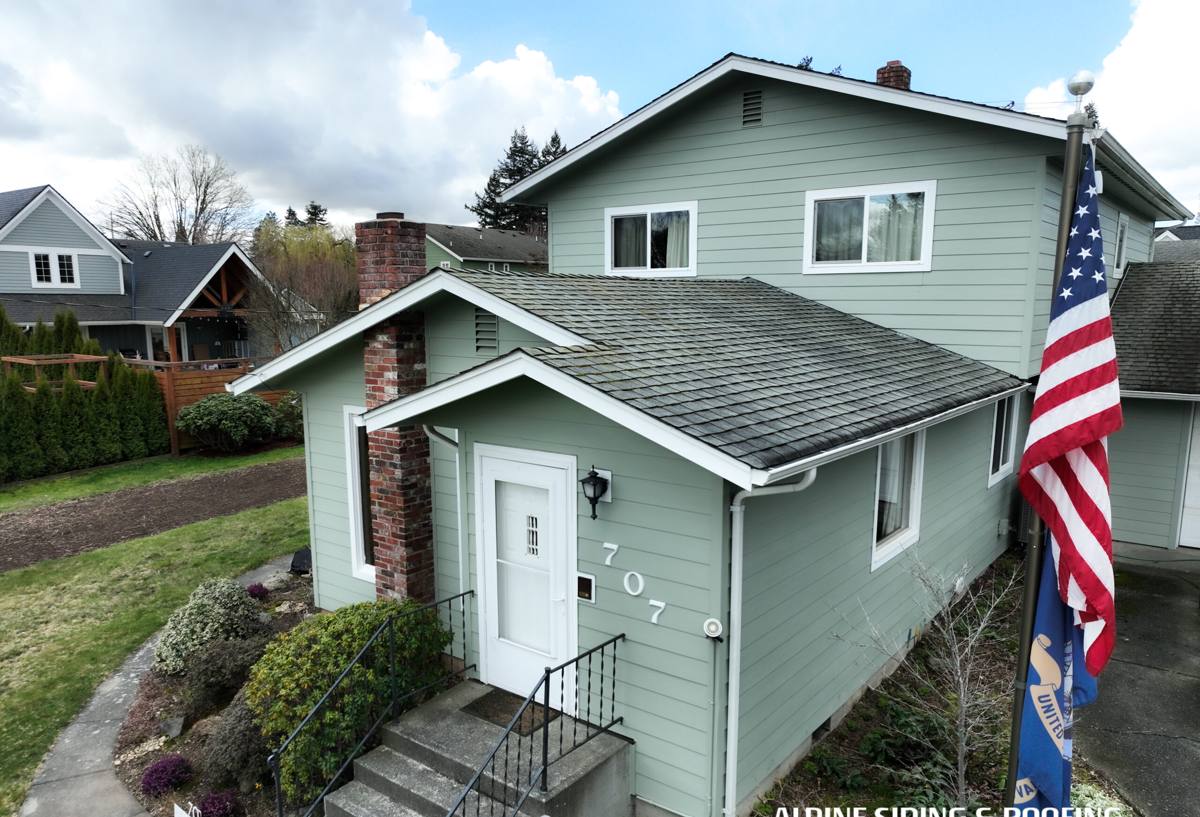
Why This Climate Is Hard on Shingle Roofs
Salt Air and Moisture
Homes closer to the Sound get more airborne moisture and salt than homes further inland. Salt air doesn't damage asphalt shingles the way it corrodes bare metal, but it does accelerate wear on exposed metal flashing, fasteners, and vents if those components aren't rated or protected for it. Over time, unprotected metal can corrode faster than the shingles themselves age, which is often the actual cause of a "shingle roof leak" — the flashing failed, not the shingle.
Driving Rain
Seattle doesn't get the heaviest rainfall totals in the country, but a lot of it arrives sideways, driven by wind off the water. Driving rain finds weak points that a straight-down rain never would — poorly sealed valleys, under-lapped shingle courses, and flashing that's nailed instead of properly integrated with the underlayment. A roof that would perform fine in a drier, calmer climate can leak here if those details are cut short.
Moss Season
Shaded, north-facing slopes and roofs under tree cover stay damp for months at a time between fall and spring. That's exactly what moss needs to establish itself. Once moss takes hold, it lifts shingle edges, holds water against the roof deck, and shortens the life of the shingles underneath it — even if the shingles themselves aren't old.
What a Correctly Installed Roof Needs Here
A shingle roof that's built for West Seattle's conditions, not just a national average spec, includes a few things that are easy to skip and hard to notice once the roof is finished:
- Ice-and-water membrane at eaves and valleys — not required everywhere in the country, but worth it here given how much water moves across a roof during a real storm.
- Properly lapped synthetic underlayment across the full deck, not just at the vulnerable spots.
- Balanced ventilation — intake at the eaves, exhaust at the ridge — so moist air isn't trapped against the underside of the deck, which contributes to both premature shingle aging and moss growth from below.
- Corrosion-resistant flashing and fasteners at valleys, chimneys, skylights, and wall intersections, especially on homes closer to the water.
- Algae-resistant (AR) shingles where moss and moss-adjacent algae staining are a realistic concern, which is most of West Seattle.
None of this is exotic. It's standard practice done thoroughly instead of rushed, and it's the difference between a roof that needs attention in year 8 and one that's still solid at year 20.
Signs Your Roof Needs Attention
Most asphalt shingle roofs don't fail all at once — they show warning signs first. Worth checking for, or having a contractor check for you:
- Granules collecting in gutters or at downspout outlets
- Shingle edges that are curling, cupping, or lifting
- Visible moss, especially on shaded or north-facing slopes
- Dark streaking (often algae, not just dirt)
- Soft or spongy spots when walked on, which usually means deck damage underneath
- Daylight visible through the attic roof deck, or damp insulation below it
- Rusting or lifted flashing around chimneys, vents, and skylights
Any one of these on its own isn't necessarily an emergency, but they're worth a proper inspection rather than waiting for an active leak.
Our Asphalt Shingle Roofing Process
1. Inspection and Assessment
We start by looking at the whole system, not just the shingles — deck condition, ventilation, flashing, and any moss or moisture patterns specific to your roof's exposure and slope. This tells us whether you need a full replacement or targeted repair.
2. Tear-Off and Deck Check
We remove the existing roofing down to the deck and inspect the sheathing for rot or soft spots, which is common on older West Seattle roofs that have had moss sitting on them for years. Damaged sections get replaced before anything new goes down — covering a compromised deck just hides the problem.
3. Underlayment, Flashing, and Ventilation
This is where most of the roof's actual weather resistance comes from. We install ice-and-water membrane at vulnerable areas, lap synthetic underlayment correctly across the full deck, and replace or upgrade flashing at every penetration and transition. We also confirm intake and exhaust ventilation are balanced, correcting it where the existing setup falls short.
4. Shingle Installation
Shingles go down to manufacturer specification for nailing pattern, exposure, and sealant activation, with extra attention to valleys and eaves where driving rain and moss pressure are highest.
5. Cleanup and Walkthrough
We clear the site, including a magnetic sweep for stray fasteners, and walk the finished roof with you so you know what was done and what to expect going forward.
Shingle Options: What They Trade Off
Homeowners usually choose between a few grades of asphalt shingle. Here's how they compare for a West Seattle roof specifically:
| Shingle Type | Typical Lifespan | Moss/Algae Resistance | Best Fit |
|---|---|---|---|
| 3-Tab (standard) | 15–20 years | Low unless AR-treated | Budget-conscious projects, less shaded roofs |
| Architectural / Laminate | 25–30 years | Moderate, better with AR treatment | Most West Seattle homes; better wind and rain resistance |
| Premium Laminate (AR-rated) | 30+ years | High | Shaded lots, north-facing slopes, homes with a moss history |
We install algae-resistant shingles on most West Seattle projects by default, simply because the climate here makes that upgrade worth it over the life of the roof. It's a reasonable trade-off in material cost for a lot less moss maintenance later.
Maintenance That Actually Matters Here
A well-installed roof still needs occasional attention in this climate, especially through moss season. A simple annual routine goes a long way:
- Clear debris and needles from valleys and behind chimneys before fall rains set in
- Keep gutters and downspouts flowing freely so water isn't backing up under shingle edges
- Have moss removed properly (not scraped aggressively, which damages granules) rather than left to spread
- Check flashing around penetrations every year or two, since that's the most common leak point, not the shingle field
- Trim back overhanging branches that keep a section of roof shaded and damp longer than the rest
Cost Factors to Expect
Every roof is different, but the main variables that move the price on a West Seattle asphalt shingle project are consistent:
| Factor | Why It Matters |
|---|---|
| Roof size and pitch | Steeper roofs take longer and require more safety setup |
| Number of layers to remove | Tear-off of multiple old layers adds labor and disposal cost |
| Deck condition | Rotted sheathing found during tear-off requires replacement |
| Shingle grade chosen | Standard vs. architectural vs. premium AR shingles |
| Flashing and ventilation work | Upgrading undersized or corroded components adds scope |
| Access and site conditions | Tight lots, tall trees, or difficult staging affect labor time |
We give you a written estimate with these factors broken out after the inspection, not a vague number up front, so you know exactly what you're paying for.
Why a Local Crew Matters for This Kind of Roof
A roofing crew that works West Seattle regularly already knows which slopes hold moss longest, which older homes tend to have deck issues under the shingles, and how much of an upgrade to flashing and ventilation actually pays off given the salt air and rain exposure here. That's the kind of judgment that doesn't come from a spec sheet — it comes from doing this work on this kind of roof, in this climate, over and over. It also means we're a known, reachable crew if a question comes up after the job is done, not a name from an out-of-area lead-generation site.
If you're dealing with an aging roof, visible moss, or you just want an honest read on how much life is left in your current shingles, we're happy to take a look. Reach out through the form below for a free, no-pressure estimate.