 Seattle Siding
 Why Capitol Hill Roofs Wear the Way They Do
Capitol Hill sits up on a ridge above downtown Seattle, and that elevation and exposure shape how roofs age here. Homes on the hill catch wind-driven rain off Puget Sound, sit under heavy tree canopy in many blocks, and go months at a time without enough sun to fully dry out a north-facing slope. Add in the salt-laden air that moves through the greater Seattle area off the Sound, and you've got a combination that's hard on fasteners, flashing, and shingle granules alike. None of this means asphalt shingles are a poor choice for the neighborhood — they're still one of the most practical, cost-effective roofing systems for King County homes. It means the installation has to be done with this specific climate in mind, not treated like a generic re-roof.
A shingle roof installed the same way you'd install one in a dry inland climate will underperform here. The details that matter — underlayment choice, ventilation, flashing at valleys and walls, and how the roof is maintained through the wet months — are exactly where a lot of corners get cut on quick, low-bid jobs.
What Capitol Hill's Housing Stock Means for Your Roof
Capitol Hill has one of the more varied housing stocks in Seattle: older craftsman and Victorian-era homes with steep, complex rooflines sit blocks away from mid-century houses and denser multi-unit buildings. That variety matters for roofing work in a few practical ways.
Steep and Cut-Up Rooflines
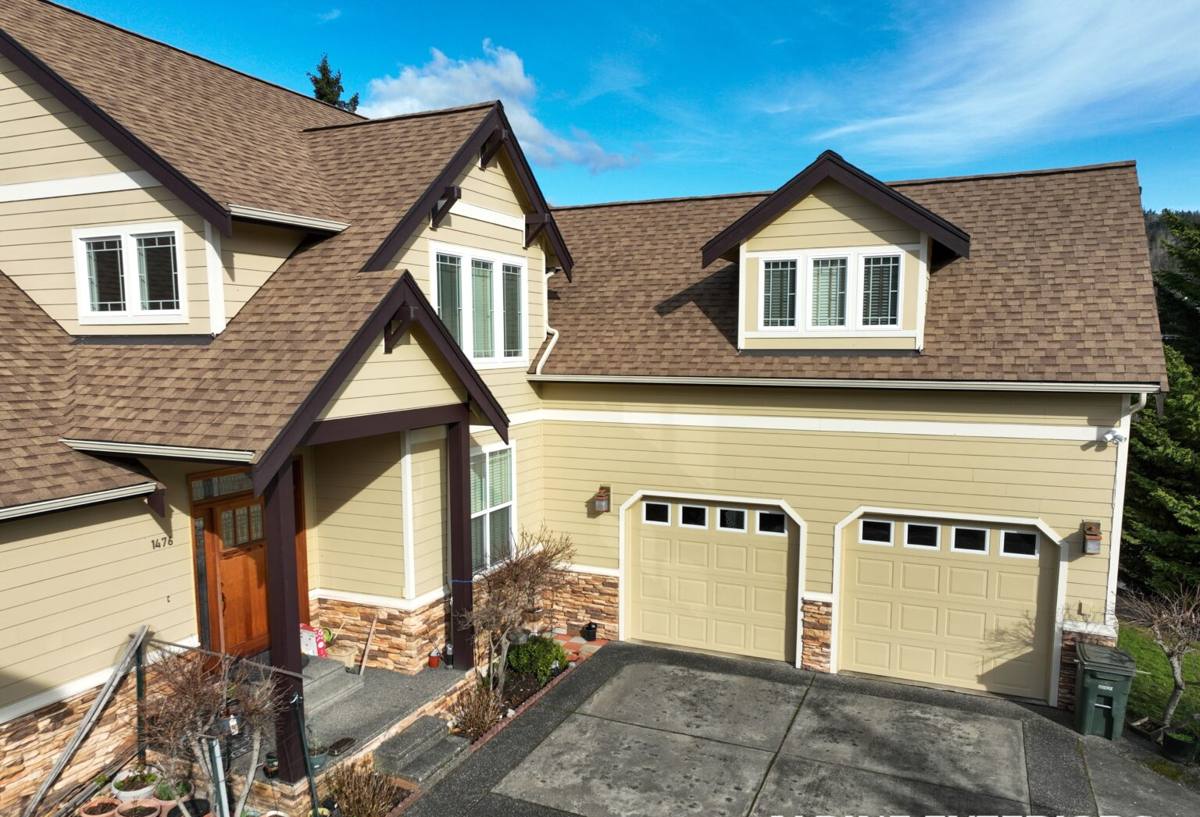
Many of the older homes on the hill have steeper pitches, multiple dormers, and roof valleys that were never simple rectangles to begin with. Steeper roofs shed water faster, which is good, but they also have more flashing points, more valleys where debris collects, and more edges where wind can get under a shingle if it wasn't fastened and sealed correctly.
Tight, Tree-Covered Lots
Dense urban lots with mature trees mean roofs stay shaded and damp longer after a storm, and gutters and valleys collect needles, leaves, and moss spores year-round. It also means job site access and safety setup — ladders, tarps, staging materials — has to account for narrow driveways, close neighbors, and street parking, which is a different logistics problem than a suburban lot with a wide-open yard.
Older Decking and Ventilation
On older homes, the roof deck underneath the shingles may be original board sheathing rather than plywood or OSB, and attic ventilation was often an afterthought when the house was built. Both of those need to be assessed honestly before a re-roof, not just covered over with new shingles.
Moss, Moisture, and the Long Wet Season
Seattle's roofing season isn't really a season — it's a long stretch of damp weeks broken up by shorter dry ones. That pattern is what drives moss growth, and moss is one of the most common things we get called out for on Capitol Hill roofs.
Moss holds moisture against the shingle surface long after the rest of the roof has dried out. Over time it lifts shingle edges, traps water under the tab, and accelerates granule loss — the granules are what protect the shingle's asphalt layer from UV and weather, so once they're gone, the shingle degrades faster underneath. Left unaddressed for years, moss can work its way into fastener lines and seams, which is where leaks actually start.
Shaded north- and west-facing slopes, and any roof under overhanging branches, are the areas that need the most attention. This is also why we don't treat moss removal as a one-time fix — it's an ongoing part of owning a roof in this climate, the same way gutter cleaning is.
Choosing the Right Asphalt Shingle for This Climate
Not all asphalt shingles are built the same, and the differences matter more here than in a dry climate. We look at a few things when helping a Capitol Hill homeowner choose a product: algae resistance, wind rating, and how the shingle's warranty actually treats moisture-related wear.
| Shingle Type | Typical Lifespan | Best Fit For |
|---|---|---|
| 3-tab asphalt | 15–20 years | Budget re-roofs on simpler rooflines; least resistant to wind uplift |
| Architectural (laminate) asphalt | 25–30 years | Most Capitol Hill homes — better wind rating, more dimension, holds up to steep-slope wear |
| Algae-resistant (AR) architectural | 25–30 years, with better long-term appearance | Shaded lots, north-facing slopes, homes near mature trees — reduces the black streaking caused by algae, though it does not stop moss |
| Impact-rated / heavier-class architectural | 30+ years | Homeowners prioritizing durability and willing to pay more upfront for a longer service life |
Algae-resistant shingles are worth the small upcharge for most Capitol Hill homes given the shade and moisture on the hill, but it's worth being clear with homeowners: AR shingles cut down on algae staining, they don't prevent moss. Moss control is a maintenance practice, not a product feature.
What a Correct Asphalt Shingle Roof Installation Involves
A shingle roof is a system, not a single layer. In a climate with this much rain, every layer under the visible shingle matters as much as the shingle itself.
- Deck inspection and repair — any soft, rotted, or delaminated sheathing gets replaced before anything else goes down
- Ice and water shield at eaves, valleys, and around penetrations — this is the backup layer that protects against wind-driven rain and any water that gets past the shingle field
- Synthetic underlayment across the full deck — a proper moisture barrier, not a stapled-on afterthought
- Balanced attic ventilation — intake at the eaves and exhaust at the ridge, sized to the attic volume, so moisture doesn't get trapped and cause rot or mold from the inside
- New flashing at all valleys, chimneys, skylights, and wall intersections — reused flashing is one of the most common causes of "mystery" leaks after a re-roof
- Correct fastening pattern for the shingle manufacturer's wind rating, not just "enough nails to hold it down"
- Drip edge and starter strip at all eaves and rakes to control water at the roof's edge
Skipping any one of these doesn't always show up right away. It shows up two or three winters later, as a leak that seems to come from nowhere because the actual cause is buried under shingles that look fine from the ground.
Our Process for Capitol Hill Roofing Projects
We keep the process straightforward and try to remove the guesswork for the homeowner.
- On-site inspection. We walk the roof (or use ladder and drone inspection where access or pitch makes walking it unsafe), check the deck condition where visible, and look at ventilation, flashing, and moss or algae growth.
- Written estimate. A clear scope of work and price — what's being replaced, what underlayment and shingle we're recommending and why, and what happens if we find deck damage once tear-off starts.
- Scheduling around the weather. We plan tear-off and dry-in around forecast windows so your home isn't left exposed longer than necessary, and we tarp and stage materials with narrow-lot access in mind.
- Tear-off and deck assessment. Old roofing comes off, the deck gets inspected in daylight, and any rot or damage gets flagged and priced before we cover it up.
- Installation. Underlayment, flashing, ventilation, and shingles go in following manufacturer specifications for the wind and moisture conditions this area sees.
- Final walkthrough. We review the finished roof with you, including gutters, flashing details, and any ventilation changes made.
Roof Maintenance for Long-Term Performance
A well-installed shingle roof in this climate still needs upkeep — the installation buys you a good foundation, not a maintenance-free roof.
What We Recommend
- Gutter cleaning at least twice a year, more often on heavily treed lots
- Moss treatment or removal before it spreads across a full slope, not after
- Periodic inspection of flashing around chimneys, skylights, and vents, since these are the first places small leaks start
- Trimming back branches that overhang the roof to reduce shade, debris, and physical wear from limbs
- Prompt attention to any granule buildup in gutters or downspouts — that's a sign the shingle surface is wearing
Homeowners who stay on top of moss and gutters typically get the full service life out of their shingles. Homeowners who let moss sit for several seasons often end up needing repairs — or a full re-roof — years earlier than the shingle's rated lifespan would suggest.
Cost Factors for Capitol Hill Roofing Projects
Every roof is priced on its own specifics, but the factors that move the number are consistent. This is meant as a general guide, not a quote — actual pricing depends on your roof's condition and size.
| Factor | Why It Affects Cost |
|---|---|
| Roof pitch and complexity | Steeper roofs and homes with multiple valleys, dormers, or roof planes take more labor and safety setup |
| Deck condition | Rotted or delaminated sheathing found during tear-off needs to be replaced before shingles go on |
| Access and lot conditions | Narrow driveways, close neighboring homes, and limited staging space can add time for material handling |
| Shingle tier chosen | 3-tab, standard architectural, and algae-resistant or impact-rated products carry different material costs |
| Ventilation upgrades | Older homes often need added intake or exhaust venting to meet current performance standards |
| Layers of existing roofing | Removing multiple old layers takes more labor than a single-layer tear-off |
Why Local Experience in Capitol Hill Matters
A roofing crew that regularly works this neighborhood already knows what to expect before the estimate walkthrough starts: the steep, older rooflines common on the hill, the moss pressure from tree cover, the access challenges of tight urban lots, and the way King County's wet season stretches the installation calendar. That familiarity shows up in fewer surprises during tear-off, more realistic scheduling, and product recommendations that are actually suited to a shaded, damp, salt-air-influenced climate rather than a one-size-fits-all sales pitch.
It also matters for accountability. A crew that works Capitol Hill regularly has a reputation in the neighborhood to maintain, which is a different incentive than a crew passing through for a single job.
If you're weighing a repair against a full replacement, or just want an honest read on how much life is left in your current roof, we're glad to take a look. Use the form below to request a free, no-pressure estimate for your Capitol Hill home.