 Seattle Siding
 Siding Repair Built for Columbia City's Housing Stock
Columbia City is one of Seattle's older, more established neighborhoods, and that shows in its homes. You'll find early-1900s Craftsman bungalows and foursquares sitting alongside mid-century infill and newer construction, often shaded by mature street trees that give the neighborhood its character. That mix matters when it comes to siding repair. An older home may still be carrying original wood siding patched over decades, while a newer build might have a fiber cement or engineered wood product that's only a few years old but was installed with a corner cut somewhere. Either way, the fix has to match what's actually on the wall — not a generic patch job.
We work on siding repair across Seattle and King County, and Columbia City comes with its own set of conditions worth understanding before you decide how to handle a repair.
What Seattle's Climate Does to Siding Over Time
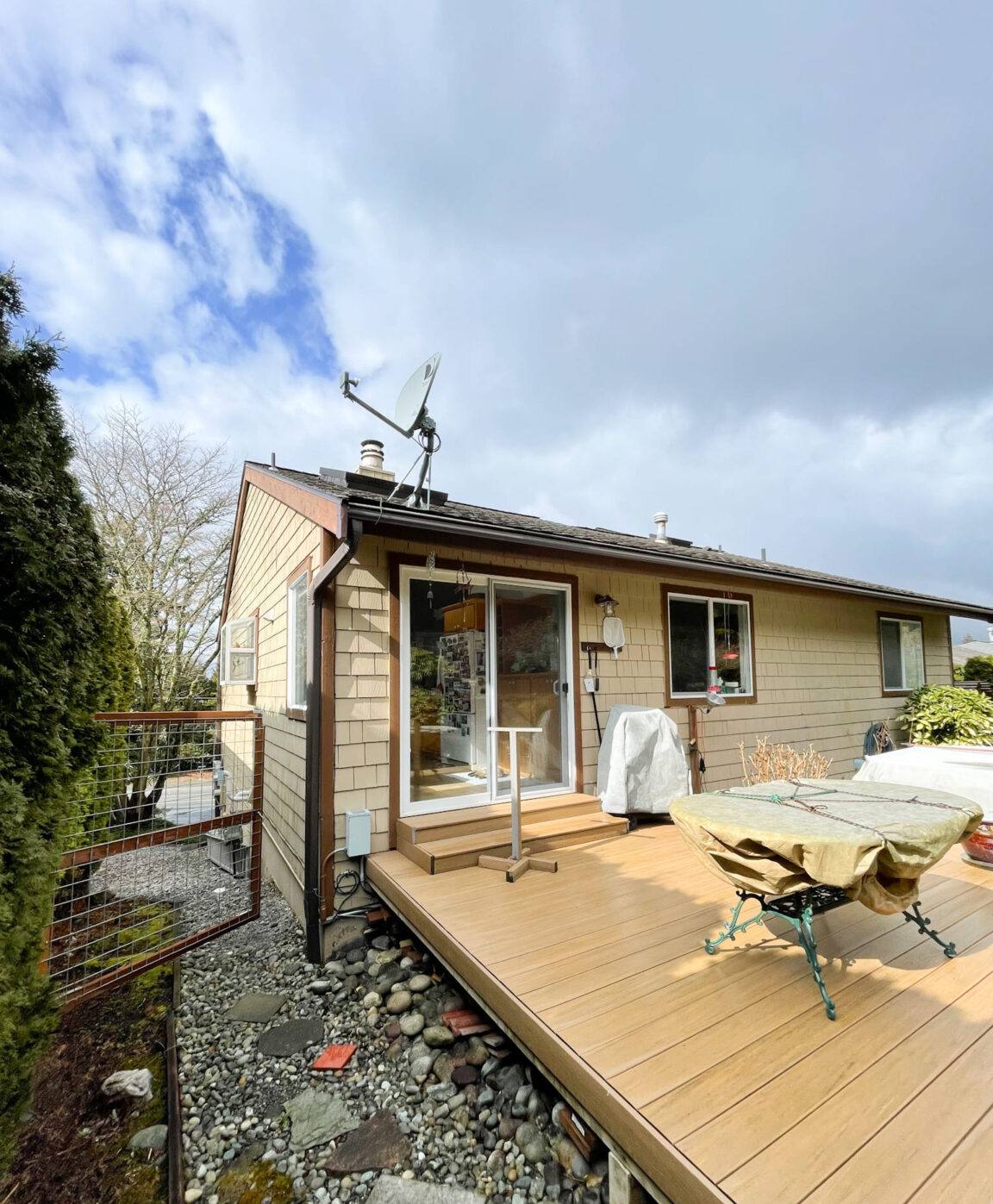
King County's marine climate is hard on exterior surfaces in ways that aren't always obvious from the street. Homes closer to the water can pick up salt-laden air that accelerates corrosion on fasteners and trim. Driving rain — the kind that comes in sideways during a fall or winter system — pushes moisture into seams, laps, and any gap in caulking or flashing that wouldn't be a problem in a drier climate. And the long, damp stretch from October through April creates ideal conditions for moss and algae to take hold, especially on siding that sits in shade for much of the day, which describes a lot of tree-canopied lots in this part of the city.
None of this means Columbia City homes are falling apart. It means siding here needs to shed water correctly, dry out between rain events, and resist organic growth — and when any one of those functions breaks down, the damage tends to be gradual and hidden until it isn't.
Where the Damage Usually Starts
In our experience, siding failure rarely starts in the middle of a wall. It starts at the edges and penetrations — where siding meets trim, around window and door openings, at inside corners, behind downspouts, and anywhere caulking has dried out and cracked. Once water gets behind the cladding, it can travel and cause rot well beyond the point where you first notice a problem.
Common Siding Problems We See in This Neighborhood
| Problem | Typical Cause | What It Looks Like |
|---|---|---|
| Moisture intrusion at trim and window edges | Failed caulking, missing or improper flashing | Soft spots, staining, paint bubbling near openings |
| Rot in original wood siding | Age, deferred maintenance, prolonged moisture contact | Crumbling or spongy boards, visible decay |
| Moss and algae buildup | Shade from mature trees, prolonged dampness, north-facing walls | Green or black discoloration, texture buildup on the surface |
| Cracked or delaminating engineered wood panels | Manufacturing-era product issues, moisture absorption at edges | Swelling, chipping, soft edges on panel siding |
| Impact damage | Storm debris, fallen branches, everyday wear | Cracks, holes, or dents in a localized area |
| Fastener corrosion | Age and moisture exposure on nails or screws | Rust streaking below fastener heads |
What a Correct Repair Actually Involves
A lot of siding "repairs" amount to caulking over a crack and calling it done. That buys time, but it doesn't fix the underlying problem, and it can trap moisture that's already gotten in. A repair done right starts with figuring out why the damage happened in the first place — otherwise you're just patching the same spot again in a year or two.
Diagnosis Before Patching
Before we touch a wall, we want to know how far the damage extends. That means checking for soft or delaminated material beyond the visible problem area, looking at the flashing and weather-resistive barrier underneath if the siding needs to come off, and confirming whether the cause is a one-time event (impact damage) or an ongoing condition (a flashing detail that's been letting water in for years).
Matching Materials and Finish
If the damaged section is fiber cement with a factory finish, matching color and texture matters — mismatched patches stand out and hurt resale value even when the repair itself is sound. If it's older wood siding, we'll talk through whether patching the existing material is realistic or whether that section is a better candidate for replacement with a longer-term material.
Getting the Details Right
The visible siding is only part of the system. Flashing, house wrap, proper lap and overlap, and correctly placed fasteners all have to be right for the repair to actually hold up through another wet season. Skipping any of that is how a "fixed" wall ends up with the same problem again.
Our Repair Process
- On-site inspection — we look at the damaged area and check adjacent sections for hidden moisture or soft spots.
- Cause assessment — we identify whether the damage is from a flashing failure, aging caulk, impact, or a material issue, since that determines the right fix.
- Scope and options — you get a clear explanation of what needs to happen: spot repair, panel replacement, or a larger section, with honest pros and cons of each.
- Material sourcing — for James Hardie repairs, we match the existing product line and ColorPlus finish as closely as possible; where an exact factory match isn't available, we'll tell you that up front.
- Repair work — removal of damaged material, correction of any underlying flashing or moisture barrier issues, and installation to manufacturer spec.
- Cleanup and walkthrough — we clear debris and walk the repair with you before we consider the job done.
Why We Repair With James Hardie — and Only James Hardie
We install James Hardie fiber cement siding exclusively, and that standard carries over into repair work. Hardie's HZ5 product line is engineered for the kind of wet, moderate climate King County has, it's non-combustible, and its ColorPlus factory finish is designed to hold color and resist the moisture and moss pressure that Seattle's climate puts on painted or stained materials. When a repair calls for new material — whether it's a single damaged panel or a larger section — Hardie is what we use, and it's backed by a transferable warranty when installed to spec.
We won't install vinyl, LP SmartSide, primed spruce, cedar, or other fiber cement brands like Cemplank or Allura as part of a repair, even as a quick fix. Those products each have real strengths, but we've standardized on one system so every repair we do holds to the same moisture-management and durability standard, and so a patch job today doesn't create a mismatched, mixed-material wall down the line.
Repair or Replace? A Practical Checklist
Not every siding problem needs a full re-side, and not every problem is a quick patch. These are the questions we walk through with homeowners:
- Is the damage isolated to one or two areas, or does it show up in multiple spots around the house?
- When you press on the siding near the damage, does it feel solid or soft?
- Is the siding original to a home built more than 20-30 years ago, with a repair history already?
- Would a color-matched patch be visible from the street, or is it in a less prominent location?
- Has water intrusion reached the sheathing or framing behind the siding?
- Is the rest of the siding nearing the end of its practical service life anyway?
If most answers point to isolated, solid, and cosmetic, repair usually makes sense. If damage is spreading, structural, or the siding is already old and failing elsewhere, a full replacement often ends up being the more cost-effective long-term choice.
What Affects Siding Repair Cost
| Factor | Why It Matters |
|---|---|
| Extent of hidden damage | Rot or moisture behind the surface often extends beyond what's visible |
| Material type | Fiber cement, wood, and engineered panels each require different repair techniques |
| Color and finish matching | Factory-finished products can be harder to match than field-painted siding |
| Accessibility | Second-story sections, tight side yards, or landscaping can add time |
| Underlying flashing or barrier repair | Fixing the cause, not just the symptom, adds labor but prevents repeat damage |
Every repair is different, so we'd rather give you an honest number after seeing the actual damage than a broad estimate that doesn't reflect your specific situation.
Why a Crew That Already Works Columbia City Matters
Siding repair in an established neighborhood like this comes with practical realities that a crew unfamiliar with the area can miss. Narrower lots and mature landscaping affect how equipment and materials get staged. Older homes often have siding details — trim profiles, corner treatments — that a generic repair approach doesn't account for. And knowing what's typical for the neighborhood's housing stock helps us give you a straight answer on whether a repair is a reasonable fix or a stopgap on a wall that's due for more.
We handle the standard local permitting and inspection steps that come with siding work in Seattle, so a repair project moves without unnecessary delays.
Get a Straight Answer on Your Siding
If you're seeing moss buildup, staining near trim, or soft spots on your Columbia City home's siding, it's worth getting an honest assessment before the damage spreads further into a wet Seattle winter. We'll take a look, tell you plainly whether you're looking at a repair or something bigger, and give you options — no pressure either way. Request a free estimate below and we'll get you scheduled.