 Seattle Siding
 Building Decks for Ballard's Marine Climate
Ballard sits close to the water, and that proximity shapes everything about how a deck should be built here. Salt-laden air moving off Puget Sound accelerates corrosion on fasteners and hardware. Driving rain, often coming in sideways off the water during fall and winter storms, finds every gap in flashing and framing that a builder in a drier inland neighborhood might get away with skipping. And Seattle's long, damp shoulder seasons give moss and algae months at a time to take hold on any surface that doesn't shed water and dry out quickly. A deck built without those three factors in mind will look fine for a year or two, then start showing soft spots, streaking, and corrosion stains well before it should.
We've built and repaired decks throughout King County long enough to know that a "standard" deck spec written for a national builder's manual doesn't always hold up in a neighborhood this close to salt water. This page walks through what we actually do differently for a Ballard deck project, from the ground up.
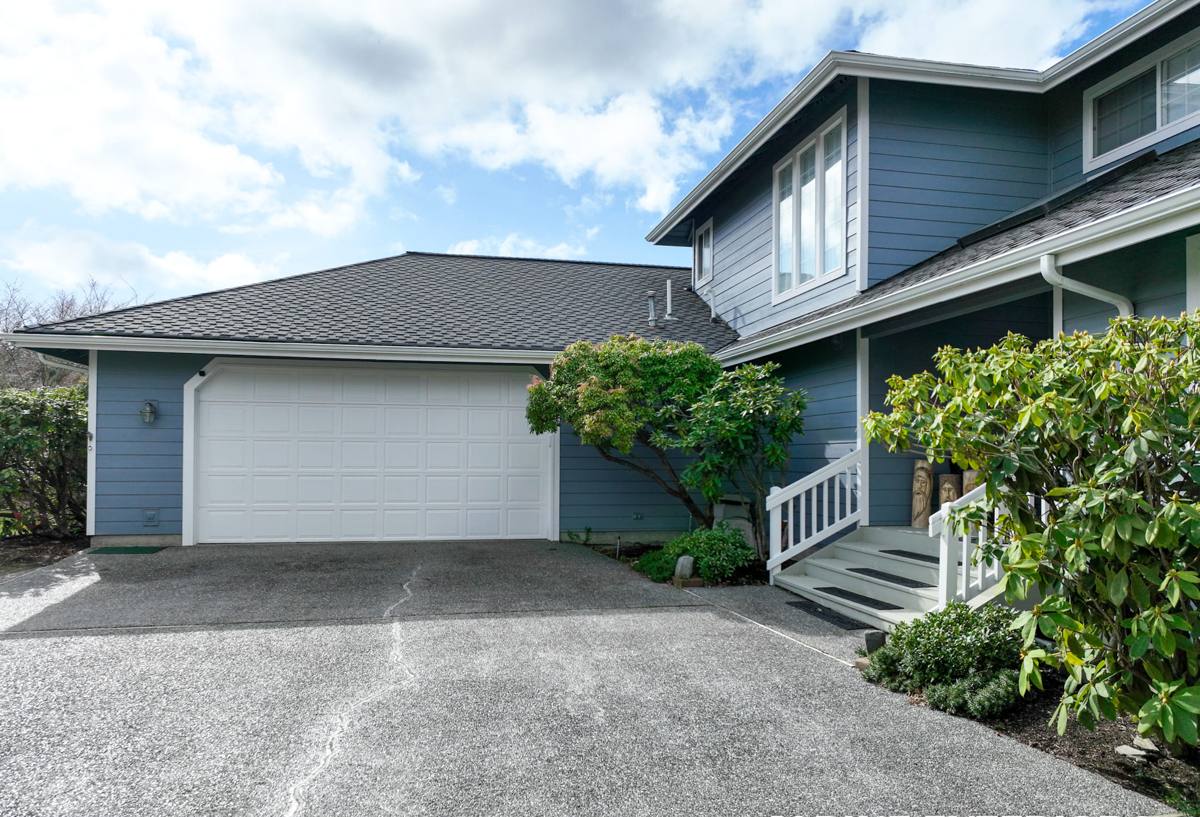
What Local Homes Actually Need From a Deck
Most of Ballard's housing stock mixes older single-family homes with a growing number of newer builds and townhomes, many on lots with limited setbacks and grade changes down toward the water. That means deck projects here tend to fall into a few common categories:
- Rear or side decks attached to older homes where the original ledger connection needs to be brought up to current code before anything new gets built
- Elevated decks over sloped lots, which need engineered footings and post connections rather than simple deck blocks
- Low-to-grade patio-style decks where drainage away from the house foundation is the main design challenge
- Rooftop or upper-level decks on townhomes, where waterproofing the deck surface protects living space below
In each case, the climate factors are the same — moisture intrusion, corrosion, and moss — but how they show up depends on the deck's height, exposure, and how close it sits to grade or to the house structure.
Choosing the Right Decking Material
There's no single "best" decking material for Ballard — there's a best material for a given budget, sun exposure, and maintenance appetite. What matters is understanding the honest trade-offs before you commit, since re-decking a structurally sound frame is far cheaper than replacing a whole deck that was framed around the wrong material from the start.
| Material | Moisture & Salt Air Behavior | Moss/Algae Resistance | Maintenance |
|---|---|---|---|
| Pressure-treated pine | Good if properly sealed; end cuts and fastener holes need re-treating | Moderate — needs regular cleaning | Annual cleaning, re-seal every 2-3 years |
| Western red cedar | Naturally rot-resistant, ages well in wet climates | Moderate — surface graying is normal, moss needs washing off | Cleaning and oil/stain every 1-2 years to hold color |
| Capped composite | Excellent — doesn't absorb moisture or swell | Good, but surface film can still grow in shaded, damp spots | Periodic washing, no sealing or staining |
| Tropical hardwood | Very good natural density resists rot | Good, but very slick when mossy — traction matters | Low, but oiling needed to prevent silvering |
We steer most Ballard homeowners away from uncapped composite or budget PT decking in fully shaded, north-facing yards specifically because those boards hold moisture against the surface longer, which is exactly the condition moss needs. That's not a knock on the material itself — it's a fit issue for this particular climate and site condition.
A Note on Fasteners and Hardware
Salt air corrodes standard fasteners faster than people expect, even a few miles inland from the water. We use stainless steel or high-grade coated fasteners and structural hardware rated for coastal or wet-climate exposure on every Ballard deck, not just the ones directly on the waterfront. Mixing metals — for example, an aluminum flashing detail against galvanized hardware — creates a galvanic corrosion risk that shows up as pitting and staining within a few seasons. Getting this right at build time costs very little; fixing corroded structural hardware later means pulling boards back up.
Framing and Structure Built for Wet Ground
The framing underneath a deck matters as much as the decking on top, and it's the part most homeowners never see until something goes wrong. For Ballard's clay-heavy, often poorly-draining soils and frequent heavy rain, we pay close attention to a few structural details:
Footings
Footings need to be sized and set below frost depth and on undisturbed soil, not just poured into whatever the existing grade allows. On sloped or wet lots we often recommend helical piers or engineered concrete footings rather than simple precast blocks, since standing water and soil movement over a wet winter can shift an undersized footing.
Ledger Attachment
The ledger board connection — where the deck ties into the house — is the single most common failure point on older decks we're asked to repair or rebuild in this area. Proper flashing at the ledger, with the house's water-resistive barrier lapped correctly over it, keeps rain from tracking behind the siding and rotting the rim joist. This is also one of the most frequently missed details on older, owner-built, or unpermitted decks.
Joist Protection
Joist tape or a comparable waterproof membrane over the tops of joists keeps standing water from sitting in fastener holes and wicking into the wood grain, which is one of the quiet ways framing rots from the inside before the decking above shows any sign of a problem.
Drainage: The Detail That Determines Longevity
More deck failures in this climate come from poor drainage than from any other single cause. Water needs a clear path away from the house and off the deck surface, not a place to pool. On our builds that means correct board spacing and slope on the decking surface itself, positive drainage at footings so water doesn't collect against concrete, and, on elevated or rooftop decks, a proper waterproof membrane system underneath with drains built into the design rather than added as an afterthought. If your lot already has drainage issues — water pooling near the foundation, soggy grass that never dries out — that needs to be addressed as part of the deck design, not treated as a separate problem.
Our Process for a Ballard Deck Project
- On-site assessment — we look at grade, sun exposure, existing structure (if replacing or extending), and how water currently moves across the lot.
- Design and material selection — we walk through decking, railing, and structural options honestly, including cost and maintenance trade-offs for your specific site conditions.
- Permitting — decks above a certain height or attached to the house typically require a permit through the City of Seattle; we handle that process rather than leaving it to you.
- Demolition and framing — old structure removed if applicable, footings set, ledger flashed correctly, framing built to span and load requirements.
- Decking, railing, and finish work — surface material installed with correct fastening and spacing, railings set to code, final grading and cleanup.
- Walkthrough — we go over basic care for whatever material you chose so it holds up through its first wet season.
Maintaining a Deck Through Seattle's Wet Season
Even a well-built deck needs some seasonal attention in this climate. A short annual routine prevents most of the moss, staining, and moisture problems we get called out to fix on decks that were otherwise built correctly.
- Sweep leaves and debris off the surface regularly through fall — trapped organic matter holds moisture and feeds moss growth
- Check that gaps between boards stay clear so water can drain through rather than pooling on top
- Wash down the surface at least once a year, more often in shaded or north-facing areas prone to moss
- Inspect fasteners, railing connections, and stair hardware annually for corrosion or loosening
- Re-oil or re-seal wood decking on the manufacturer's recommended cycle — don't wait until it's visibly gray and dry
- Check that the ledger flashing and any siding above it stay intact and caulked where needed
Why Hire a Crew That Already Works in Ballard
A deck built by a crew with no track record in this specific climate often looks the same as ours on installation day. The difference shows up two or three winters later, in the fastener that started staining, the framing detail that let water in behind the siding, or the shaded corner that turned green because the wrong decking material went in a wet spot. We work throughout Seattle and King County, and Ballard's mix of older ledger connections, sloped lots down toward the water, and salt-air exposure is a condition we plan for from the first site visit, not something we discover after the fact. That local familiarity is what keeps a deck performing the way it should through a full Pacific Northwest wet season, not just looking good on the day it's finished.
If you're planning a new deck or need an honest look at an existing one, we're happy to come take a look. Reach out using the form below for a free, no-pressure estimate — we'll walk the site, talk through material and design options suited to your specific spot in Ballard, and give you a straightforward number to work from.