 Seattle Siding
 Why Wallingford Homes Put Windows to the Test
Wallingford sits in one of Seattle's older, more established pockets, and that shows in the housing stock — a lot of craftsman bungalows, foursquares, and mid-century homes with original or long-since-replaced windows that were never built for today's energy expectations. Add in what King County's marine climate does to a house year-round — damp air off the Sound, long stretches of driving rain, and a moss season that seems to start earlier every year — and you've got a recipe for windows that fog up, stick, rot at the corners, or just quietly leak heat all winter.
Energy-efficient windows aren't a luxury upgrade here. In a neighborhood where houses sit close together and heating bills climb every winter, the difference between a properly installed, well-sealed window and a poorly fitted one shows up directly on your utility bill and in how evenly your rooms actually heat.
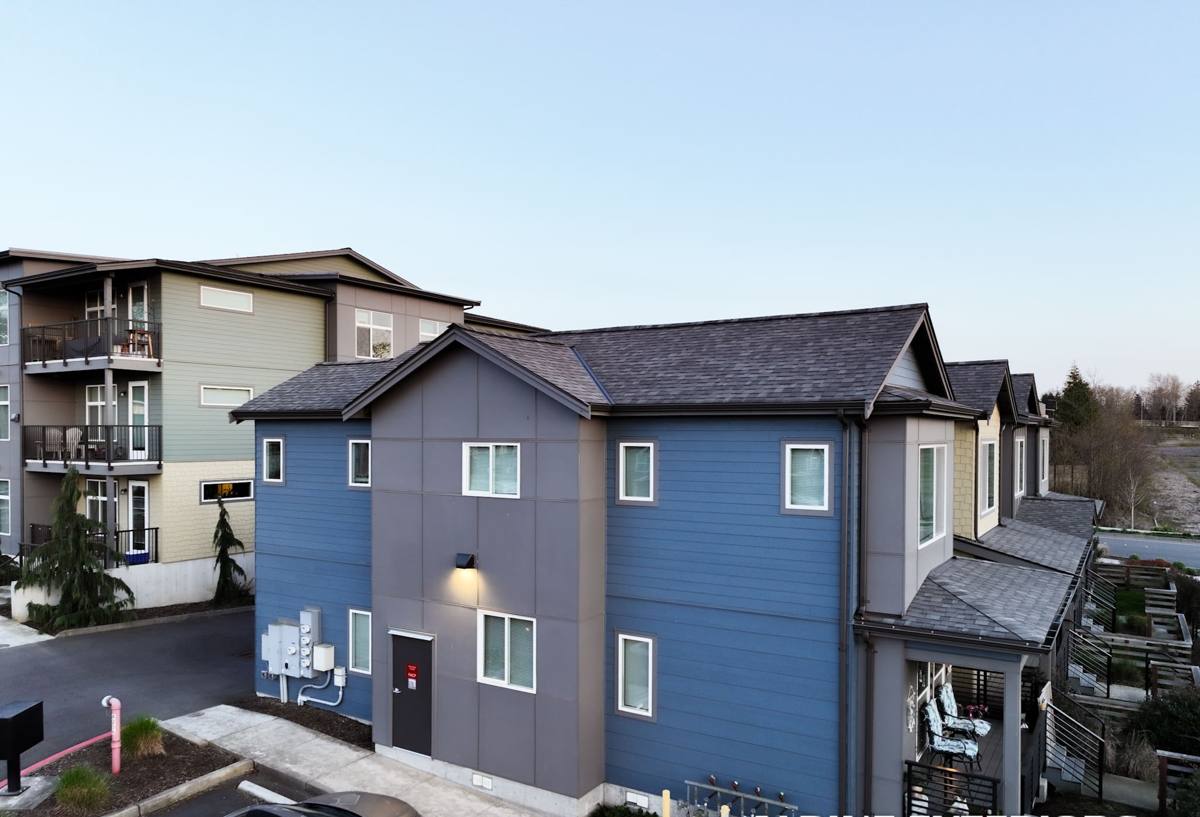
What "Energy-Efficient" Actually Means
The term gets thrown around loosely, so it's worth being specific about what actually matters for a Seattle-area home:
U-Factor
This measures how well a window resists heat loss — lower is better. In our climate, where the bigger concern is keeping heat in during long wet winters rather than keeping it out during a handful of hot days, U-factor is usually the single most important number on the label.
Solar Heat Gain Coefficient (SHGC)
This tells you how much solar heat passes through the glass. Wallingford doesn't get the harsh, constant sun that some inland climates deal with, so we don't typically push homeowners toward ultra-low SHGC glass the way a contractor in a sunnier region might. It's a balance — enough solar gain to help warm a room on a clear day, without turning a south-facing window wall into a heat sink you can't manage.
Air Leakage
This is where a lot of older Wallingford windows fail completely, regardless of how good the glass itself is. A window with excellent glass but a poor seal around the frame will still let cold, damp air infiltrate — and that infiltration is often what homeowners are actually feeling when they say a room "just never warms up."
Frame Material Comparison
| Frame Material | Performance in Our Climate | Maintenance | Typical Fit |
|---|---|---|---|
| Vinyl | Good insulation, stable in moisture | Low — no painting or sealing | Most homes, budget-conscious replacements |
| Fiberglass | Excellent insulation and dimensional stability in wet/cold swings | Low | Homes wanting long-term performance without wood upkeep |
| Wood (clad exterior) | Good insulation; interior wood, protected exterior | Moderate — exterior cladding reduces but doesn't eliminate upkeep | Craftsman and period homes where original wood look matters |
| Aluminum | Weaker thermally unless thermally broken | Low | Rarely our first recommendation for primary living spaces here |
What We See in Older Wallingford Homes
A few patterns come up again and again on the older houses in this part of Seattle:
- Original single-pane wood windows with storm windows added later as a stopgap
- Wood sash rot at the bottom rail, usually from years of condensation and driving rain finding its way into end grain
- Paint-sealed sashes that no longer open, installed decades before energy codes existed
- Aluminum-frame replacements from past decades that perform poorly compared to modern options
- Visible condensation or fogging between panes on older double-glazed units — a sign the seal has failed
None of these are unusual for a neighborhood with this much older housing stock, but they all point to the same conclusion: the glass is only part of the story. The frame, the seal, and the installation determine whether a window actually performs.
What a Correct Installation Involves
This is the part that separates a window that performs for twenty years from one that fails in five — and it's especially important given how much rain this region gets. A window can have great glass and still let water in if it's not flashed and sealed correctly.
Our installation checklist
- Remove old window and inspect the rough opening for hidden rot or moisture damage before anything new goes in
- Repair or rebuild any compromised framing — never install a new window into a wet or damaged opening
- Install proper flashing at the sill and sides so any water that reaches the opening drains outward, not into the wall
- Set the window plumb, level, and square — even small misalignments create long-term seal failure
- Apply appropriate air-sealing and insulation around the frame, not just caulk at the exterior trim
- Weatherproof the exterior with materials suited to sustained wet exposure, not just a quick bead of sealant
- Test operation and seal before calling the job finished
Skipping the flashing and moisture-management steps is the single biggest cause of window failure we see in this climate — not the window product itself. A premium window installed without proper flashing will still leak and rot the surrounding framing over time.
How Our Process Works in Wallingford
1. On-Site Assessment
We look at your existing windows, the condition of the surrounding framing, and how your home is oriented — a north-facing wall of windows has different needs than a sun-exposed one.
2. Product Recommendation
We walk you through frame material, glass package, and style options based on your home's age, your budget, and how long you plan to stay in the house — not a one-size-fits-all upsell.
3. Installation
Our crews follow the same flashing and sealing standard on every job, regardless of window brand or price point, because that's what determines whether the installation holds up through wet Seattle winters.
4. Walkthrough and Cleanup
We confirm every window operates correctly, check seals, and leave the work area clean before we consider the job done.
Matching Windows to Your Home's Style
A lot of Wallingford's charm comes from its older architecture, and window choice affects that more than homeowners often expect. For craftsman and period homes, we often recommend wood or clad-wood windows with traditional grille patterns to preserve the character of the house, even though vinyl or fiberglass may offer a small edge in raw performance numbers. For newer construction or additions, vinyl or fiberglass windows with clean lines are usually the better fit — both visually and on cost. There's no universally "right" answer here; it's a real trade-off between authenticity, maintenance tolerance, and budget, and we'll tell you honestly which direction makes sense for your specific house.
Cost Factors to Understand
| Factor | Why It Matters |
|---|---|
| Frame material | Vinyl is typically the most budget-friendly; fiberglass and clad-wood cost more but offer different performance or appearance trade-offs |
| Glass package | Double vs. triple pane, and any low-E or gas-fill upgrades, affect both price and performance |
| Window count and size | Larger openings and full-house replacements have different economies of scale than a handful of windows |
| Condition of existing framing | Rot repair or structural work adds cost but is not optional if the opening isn't sound |
| Retrofit vs. full-frame replacement | Full-frame replacement costs more but is often the right call on older Wallingford homes with framing issues |
We give straightforward, itemized quotes so you can see exactly what you're paying for — not a single bundled number that hides where the cost is actually going.
Why Local Experience in This Neighborhood Matters
Working across Seattle and King County means we've seen how differently houses in different neighborhoods age. Wallingford's mix of older wood-frame homes and the specific way this area takes on moisture — salt-tinged marine air, sustained driving rain through the fall and winter, and moss that creeps onto north-facing trim and rooflines faster than most homeowners expect — all factor into how we approach flashing, sealant choice, and even scheduling around weather windows for a clean install. A crew that only occasionally works in this specific climate is more likely to treat every job the same way a drier-climate contractor would, which is exactly how leaks and premature failures happen here.
Keeping Your Investment Performing
New windows aren't entirely maintenance-free, especially in a wet climate:
- Check and clean weep holes on vinyl and fiberglass frames so water drains properly rather than pooling
- Keep gutters and nearby moss growth off window trim — moss holds moisture against wood and paint
- Re-caulk exterior joints if you notice cracking or gaps, typically every several years depending on exposure
- Wipe down interior sills after heavy condensation events, particularly in colder months
A few minutes of seasonal upkeep goes a long way toward protecting both the windows and the wall framing around them.
If you're dealing with drafty, foggy, or hard-to-open windows in your Wallingford home, we're happy to take a look and give you a straightforward, no-pressure estimate — just fill out the form below to get started.