 Seattle Siding
 Roofing in Rainier Valley: A Different Set of Demands
Rainier Valley sits in the heart of Seattle, and like the rest of King County it deals with a wet, mild climate that never really gives a roof a break. The marine air moving in off Puget Sound keeps humidity high most of the year, driving rain works its way into gaps that a drier climate would never expose, and the tree canopy that gives this neighborhood so much of its character also means shade, needles, and leaf litter sitting on roof surfaces for months at a time. Add a long moss season that can run from fall through spring, and you have a set of conditions that ages a roof faster than most homeowners expect.
None of this means a roof in Rainier Valley needs anything exotic. It means it needs to be installed correctly, with the right materials and details, by people who understand how this climate actually behaves over the course of a year — not just how a roof looks the day it goes on.
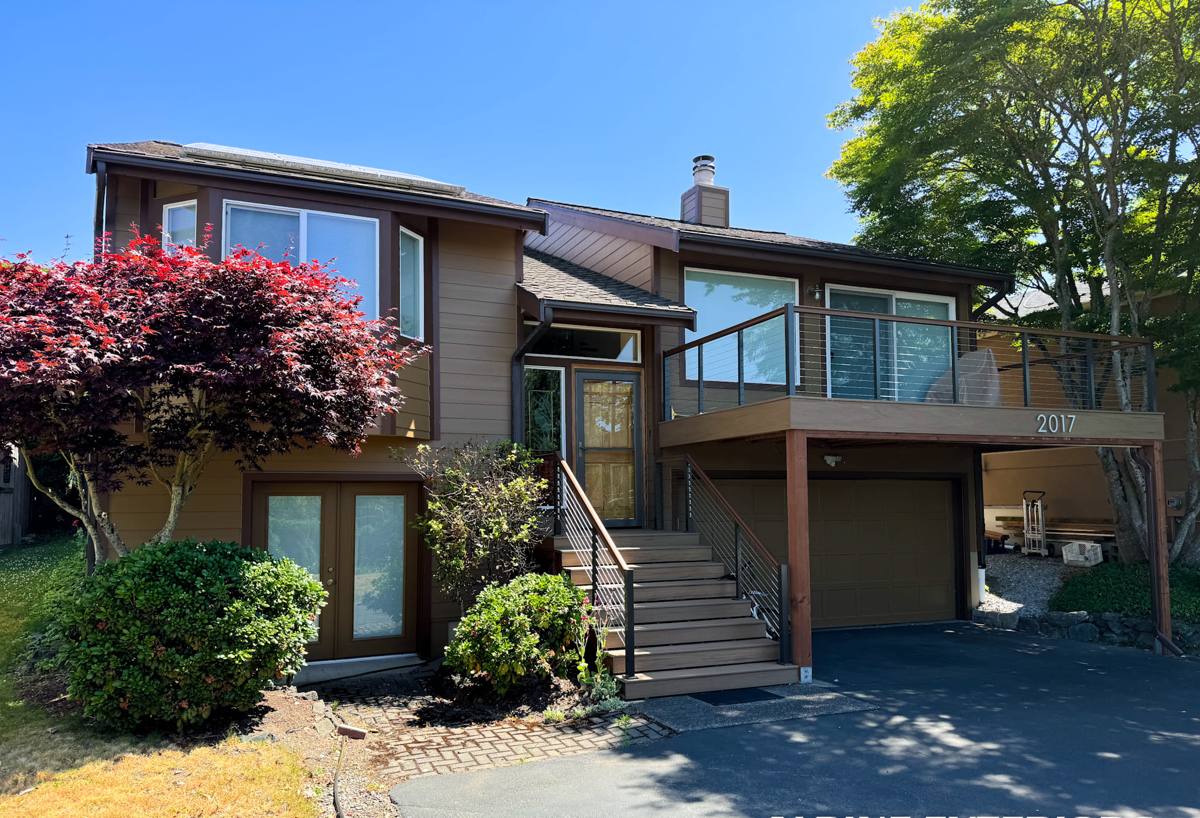
Why Older Rainier Valley Homes Show Roof Wear Sooner
Rainier Valley has a real mix of housing stock — early-1900s bungalows, mid-century ramblers, and newer infill construction, often on lots with mature trees. Older homes frequently have roof decking and ventilation that were adequate when they were built but were never updated as the home was re-roofed once or twice over the decades. That matters more here than in a dry climate, because:
- Moss holds moisture directly against the roofing material, extending the time shingles or shakes stay wet after a storm.
- Overhanging tree canopy blocks sun and airflow, slowing how quickly a roof surface dries out.
- Poor attic ventilation traps humid air underneath the deck, which can rot sheathing from below even while the roof surface looks fine from the ground.
- Older flashing details around chimneys, skylights, and valleys were often installed to a lower standard than current best practice.
A roof replacement is the point where all of these issues can be corrected at once — which is why it's worth doing right rather than just matching what was there before.
Signs a Rainier Valley Roof Needs Replacing, Not Just Repair
Not every roofing problem calls for a full replacement. But in this climate, certain signs usually mean patching is a temporary fix at best:
Visual and physical signs
- Shingles that are cupping, curling, or losing their granules in patches, especially on north-facing slopes that stay shaded and damp longer
- Moss or moss staining that keeps returning within a season or two of cleaning
- Soft or spongy spots when walked on, which usually point to decking that has already absorbed moisture
- Daylight visible through the attic roof boards, or damp insulation below the roofline
- Multiple past repairs concentrated in the same valleys or penetrations
Age-related signs
Most asphalt composition roofs in this climate are realistically good for 20–25 years, even with a rated lifespan longer than that on paper, because constant moisture exposure and moss growth shorten the practical service life. If a roof is approaching that range and showing any of the physical signs above, replacement is usually the more cost-effective path over repeated repair calls.
What a Correct Roof Replacement Actually Involves
A roof replacement is more than swapping old shingles for new ones. Done right, it addresses everything underneath the surface too:
- Full tear-off. Old roofing material is removed down to the decking rather than layered over — layering traps moisture and hides problems.
- Decking inspection and repair. Any water-damaged or rotted plywood or board sheathing is replaced before new material goes down.
- Ice and water barrier at vulnerable points. Eaves, valleys, and penetrations get a self-adhered waterproof membrane, which matters in a climate with frequent wind-driven rain.
- Synthetic underlayment across the field. This is the roof's backup line of defense if wind ever lifts or damages the surface material.
- New flashing. Chimneys, skylights, sidewalls, and vents get new metal flashing rather than reused flashing bent back into place.
- Proper ventilation. Intake and exhaust venting is checked and corrected so the attic can actually dry out between rain events.
- New roofing material, installed to manufacturer spec. Nail pattern, exposure, and fastening all affect how well the roof performs in wind and rain, not just how it looks.
- Cleanup and magnetic sweep. All debris and stray fasteners are cleared from the yard and driveway.
Choosing a Roofing Material for This Climate
There's no single "best" roofing material for every Rainier Valley home — it depends on the roof's slope, tree exposure, budget, and how the home looks. Here's how the common options compare for a wet, moss-prone climate:
| Material | Typical Lifespan Here | Moss/Moisture Behavior | Relative Cost | Best For |
|---|---|---|---|---|
| Architectural asphalt shingle | 20–25 years | Good with algae-resistant granules; needs periodic moss removal under heavy tree cover | $ | Most homes; best value and widest style range |
| Standing seam metal | 40–50+ years | Sheds water and moss very well due to smooth, sloped surface | $$$ | Homeowners planning to stay long-term and wanting low moss maintenance |
| Cedar shake | 20–30 years with upkeep | Attractive but requires diligent maintenance in wet, shaded conditions to resist moisture and moss | $$$ | Homeowners committed to the look and the ongoing care it needs |
| Synthetic composite shake/slate | 40–50 years | Resists moisture absorption better than natural wood; low moss retention | $$–$$$ | Homes wanting a traditional look with less long-term maintenance |
For homes with heavy tree canopy — common throughout Rainier Valley — we lean toward materials and colors that don't show moss staining as quickly and that hold up to repeated cleaning, since moss control here is an ongoing task rather than a one-time fix regardless of material.
Our Roof Replacement Process
We keep the process straightforward and communicate at each step, since a roof replacement disrupts a household for a few days and homeowners deserve to know what's happening and when:
- On-site inspection. We walk the roof (weather permitting) and check the attic from inside, looking at decking, ventilation, and any moisture history.
- Written estimate. A clear scope of work and price, with material options explained rather than a single take-it-or-leave-it number.
- Scheduling around the weather. We plan tear-off days with the forecast in mind and tarp exposed sections if rain moves in unexpectedly.
- Tear-off and deck repair. Old material comes off, damaged decking is replaced, and we show homeowners what we found before covering it back up.
- Installation. New underlayment, flashing, ventilation, and roofing material go on per manufacturer specification.
- Final walkthrough. We review the finished roof, attic ventilation, and cleanup with the homeowner before calling the job complete.
Ventilation and Moisture Control Deserve Extra Attention Here
In a climate this wet, what happens underneath the shingles matters as much as the shingles themselves. Attics that can't breathe trap warm, moist air against the underside of the roof deck, which over years leads to rot, mold, and premature failure from the inside out — often before any problem is visible from the street. A correct roof replacement checks that intake vents (typically at the eaves) and exhaust vents (ridge or roof-mounted) are balanced, sized appropriately for the attic volume, and not blocked by insulation. This is one of the most common issues we find on older Rainier Valley homes, and it's far easier to correct during a full replacement than after the fact.
Cost Factors to Expect
- Roof size and number of stories (affects material quantity and labor access)
- Roof pitch and complexity — valleys, dormers, and multiple planes add labor time
- Amount of decking repair needed once old material is removed
- Material choice, from standard architectural shingle up to metal or synthetic slate
- Tear-off layers — homes with more than one existing roofing layer take longer to strip
- Ventilation upgrades required to bring an older attic up to current standards
- Disposal and hauling, which varies with roof size and material weight
Because every one of these varies house to house, we don't quote roof replacements over the phone — an accurate number requires actually seeing the roof and attic.
Why Local Experience in Rainier Valley Matters
A roofing crew that regularly works this neighborhood already knows what to expect: the tree cover that shades certain streets more than others, the mix of older and newer roof framing across different eras of construction, and the reality that moss and moisture issues here are ongoing rather than one-time concerns. That familiarity shows up in small but important ways — knowing which ventilation retrofits tend to be needed on homes of a certain age, working efficiently around narrow lots and mature landscaping, and setting homeowner expectations correctly about how often a roof in this kind of setting will need moss treatment or gutter maintenance going forward.
It also matters for permitting and code compliance. Most full roof replacements in Seattle require a building permit, and requirements can shift depending on scope, so it's worth confirming with the city or having your contractor handle that step as part of the job rather than as an afterthought.
After the Roof Is Replaced: Keeping It That Way
A new roof in Rainier Valley's climate holds up best with a little routine attention:
- Clear leaves and needles off the roof surface and out of valleys at least once or twice a year, more often under heavy tree cover
- Keep gutters clean so water isn't backing up under the roof edge
- Have moss treated at the first sign of regrowth rather than letting it establish
- Trim back branches that overhang the roofline to reduce shade, debris, and physical damage risk
- Schedule a periodic visual check after major storms, particularly for flashing around chimneys and skylights
If your Rainier Valley roof is showing its age, or you'd just like an honest read on how much life it has left, we're happy to take a look. Fill out the form below for a free, no-pressure estimate.