 Seattle Siding
 Windows in Capitol Hill Face a Specific Kind of Weather
Capitol Hill's housing stock runs the gamut — turn-of-the-century Craftsman and Victorian homes, brick apartment conversions, mid-century infill, and newer construction squeezed onto narrow lots. What almost all of them share is exposure to the same Puget Sound weather pattern: long stretches of driving, wind-blown rain, a moss season that can run from fall through spring, and enough humidity most of the year to keep wood and old glazing under constant stress. Windows are one of the first places that stress shows up — as fogged double panes, soft or rotting sills, drafts around the frame, or paint that won't hold because moisture is getting in from behind.
Window installation done right in this neighborhood isn't just about the unit itself. It's about how that unit ties into the wall assembly around it — the flashing, the sealant lines, the sill pan, and the siding or trim that meets the window frame. Get that interface wrong and you're setting up a leak that won't show itself for a year or two, by which time it's doing real damage to framing and sheathing.
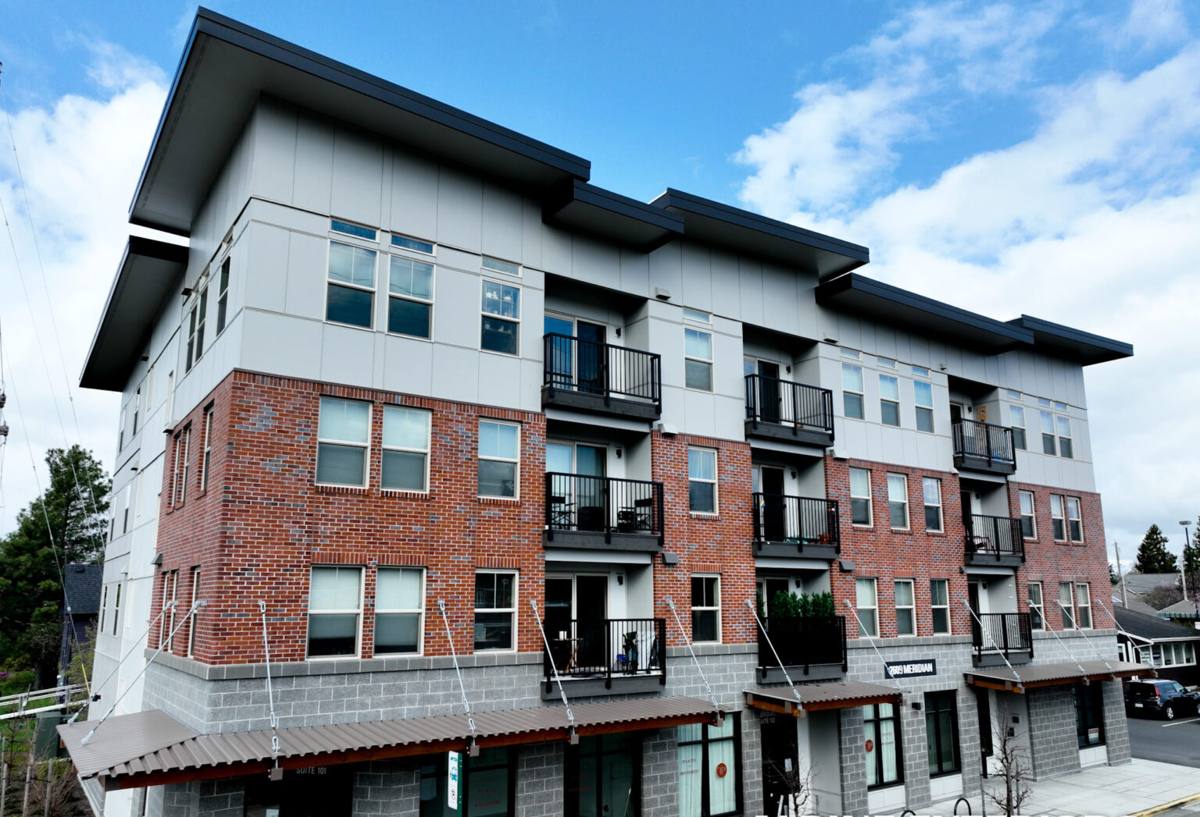
What Capitol Hill Homes Typically Need
Older Homes (Pre-1960s Craftsman and Victorian Stock)
A lot of Capitol Hill's older homes still have original wood-frame windows, or a mix of originals and mismatched replacements from different decades. Common issues we see:
- Wood sills and jambs softened by years of moisture intrusion, especially on north- and west-facing walls that take the brunt of driving rain
- Single-pane glass or early double-pane units with failed seals (visible fogging or condensation between the panes)
- Openings that have shifted slightly with the house settling, meaning a new window has to be shimmed and flashed to a wall that isn't perfectly square anymore
- Old flashing — or none at all — behind the trim, which was common practice decades ago but doesn't meet today's moisture-management standards
Mid-Century and Newer Construction
Homes from the 1960s through the 1990s often have aluminum-frame or early vinyl windows nearing the end of their service life. These tend to have poor thermal performance — aluminum frames conduct cold straight through, which shows up as condensation on the interior in winter — and seals that have simply worn out after a few decades of Seattle's wet cycles.
Apartment Conversions and Multi-Unit Buildings
Capitol Hill has a lot of buildings converted from single-family use or built as walk-up apartments and townhomes. Window replacement on these often has to account for shared walls, HOA or landlord specifications, and sometimes matching window lines across a building facade so units look consistent from the street.
What a Correct Installation Actually Involves
Setting a window is not just popping the old one out and the new one in. A proper install, especially in a climate that gets this much sustained rain, follows a sequence:
- Remove the old unit carefully and inspect the rough opening — sill, jambs, and header — for rot, soft wood, or existing water damage before anything new goes in.
- Repair or rebuild the opening if there's damage. Installing a new window into a compromised opening just hides the problem temporarily.
- Install a sill pan flashing at the bottom of the opening so any water that does get past the window has a path back out, rather than sitting against the framing.
- Set the window plumb, level, and square, shimmed correctly so it operates smoothly and doesn't rack over time.
- Integrate flashing tape and house wrap around the window in the correct shingle-lap order (top piece overlaps the sides, sides overlap the sill pan) so water sheds outward and down, never inward.
- Seal and caulk the exterior with a product rated for the application, leaving the correct weep points open so the window can drain.
- Insulate the gap between the frame and rough opening — not overpacked, which can bow the frame, and not left empty, which creates a draft and cold spot.
- Finish the interior and exterior trim to match the home, and confirm the window operates correctly (opens, closes, locks) before calling the job done.
Skipping or rushing any one of those steps is how a window that looks fine on install day ends up leaking within a couple of wet seasons.
Framing and Trim Materials: What Holds Up Here
| Material | How It Handles Seattle's Climate | Our Take |
|---|---|---|
| Vinyl frame | Won't rot, low maintenance, good moisture resistance | Solid, cost-effective choice for most Capitol Hill homes; quality varies by manufacturer |
| Fiberglass frame | Very stable dimensionally, holds paint well, excellent moisture resistance | Strong option for homes where long-term durability and paintability matter |
| Wood frame (unclad) | Classic look for period homes but needs regular upkeep to resist rot in this rainfall | We'll install it if a homeowner wants to preserve historic character, with a clear conversation about maintenance |
| Clad wood (vinyl or aluminum exterior, wood interior) | Combines a low-maintenance exterior with a traditional interior look | Good middle-ground option, especially on older homes where street-facing appearance matters |
| Aluminum frame (older style) | Conducts cold, prone to interior condensation | We don't recommend this for replacements here — thermal performance is the main issue in our climate |
Moss, Algae, and the Long Wet Season
Capitol Hill's tree cover and the region's extended wet season mean moss and algae growth on window sills, trim, and the siding around openings is common, especially on shaded north-facing walls. This isn't just cosmetic — moss holds moisture against wood and paint, which accelerates rot and finish failure. Part of a good installation is choosing materials and detailing (proper flashing, adequate sill slope so water runs off instead of pooling, and trim that doesn't trap debris) that reduce how much moss has to be dealt with going forward. We also make sure sealant lines and drainage paths are placed so seasonal buildup doesn't block them.
Our Process for Capitol Hill Jobs
We approach window jobs on Capitol Hill the same way regardless of house type, with adjustments for the building:
- On-site assessment — we look at the existing windows, the condition of the openings, and how the house is built before quoting anything
- Straightforward proposal — what we recommend, what it costs, and why, without upselling products the house doesn't need
- Opening-by-opening inspection during removal — if we find rot or damage once the old window is out, we tell you before proceeding, not after
- Correct flashing and sealing sequence — same standard whether it's one window or a whole-house replacement
- Cleanup and final walkthrough — every window operated and checked before we consider the job finished
For multi-unit buildings or HOA properties, we're used to coordinating around occupied units, shared access, and matching specifications across a facade.
Cost Factors to Expect
Window installation pricing depends on more than just the number of openings. Rough, honest factors that move the number:
| Factor | Why It Matters |
|---|---|
| Frame material and glass package | Vinyl, fiberglass, and wood-clad units carry different material costs; double- vs. triple-pane and low-E coatings add cost but also performance |
| Condition of the existing opening | Rot or water damage found during removal means additional framing repair before the new window can go in |
| Access and building type | Second- and third-story windows, tight lots, or multi-unit buildings with limited access can add labor time |
| Retrofit vs. full-frame replacement | Full-frame replacement (removing down to the studs) costs more than a retrofit but is often the right call on older, damaged openings |
| Trim and finish matching | Matching historic trim profiles or a painted finish adds time compared to standard trim |
Why Local Experience Matters Here
A crew that primarily works in dry climates approaches window installation differently than one that works in the Pacific Northwest year-round. The flashing details, sealant choices, and attention to drainage that matter on Capitol Hill are the kind of thing you only get consistent about by doing it repeatedly in this exact climate — sustained rain, salt-influenced air near the Sound, and long stretches without much drying time between storms. We work throughout King County and see the same wall assemblies, the same failure points, and the same house ages over and over, which is what lets us catch problems early instead of after they've caused damage.
If you're dealing with drafty, foggy, or aging windows on a Capitol Hill home, we're happy to take a look and give you a straightforward, no-pressure estimate — just fill out the form below.