 Seattle Siding
 Window Replacement Built for Fremont's Weather, Not Just Its Look
Fremont sits close enough to the water and canal traffic that homes here take a steady beating from salt-tinged air, driving rain off Puget Sound, and a moss season that can run eight months out of the year. None of that is dramatic on its own, but it adds up fast around window openings. Old glazing putty dries out and cracks. Wood sashes swell, stick, and eventually rot at the corners. Aluminum frames from the 1970s and 80s pit and corrode. Vinyl units installed without proper flashing let water track behind the trim and into the wall cavity, where nobody sees it until the drywall or siding starts to fail.
Window replacement in a neighborhood like Fremont isn't just a cosmetic upgrade — it's weatherproofing work first, and appearance second. A window that looks great but isn't flashed and sealed correctly for King County's rain load will cause more problems than the old one it replaced. We treat every replacement here as a moisture-management job, not just a glass swap.
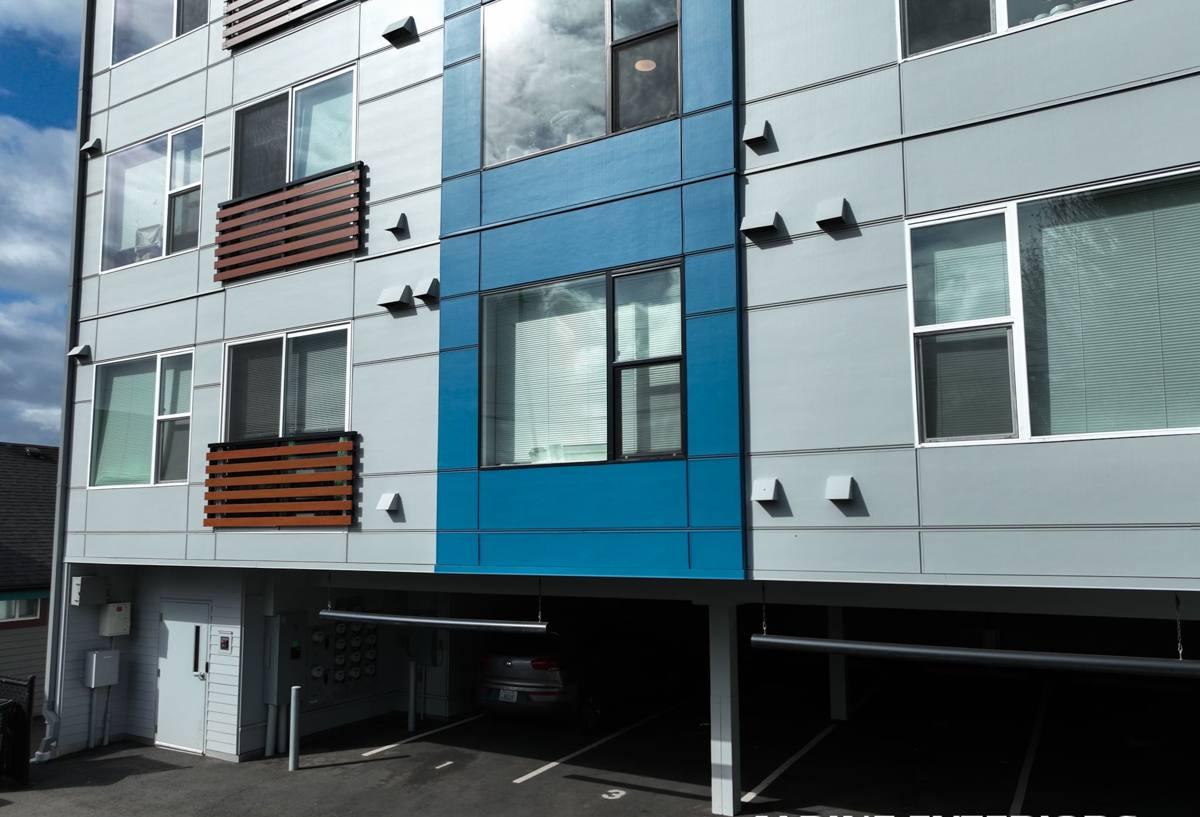
What Fremont's Housing Stock Means for Window Work
Fremont has a mix of early-1900s craftsman and foursquare homes, mid-century bungalows, and newer infill construction. That mix matters for window replacement:
- Older wood-frame homes often have original or early-replacement wood windows with true divided lites or simulated grids — matching the look while upgrading performance takes more care than a stock big-box unit allows.
- Mid-century homes frequently have aluminum-frame windows from a prior remodel, which conduct cold and condense heavily in our wet winters.
- Newer builds may already have vinyl or fiberglass windows, but the flashing and sealant details from a fast production install don't always hold up 10-15 years into repeated wet-dry cycles.
Whatever era your home is, the replacement plan should account for what's actually behind the trim — not just what size opening you're ordering.
Signs It's Time to Replace, Not Just Repair
Not every window problem means full replacement. But in a climate this wet, some signs point clearly to replacement rather than patching:
- Visible condensation or fogging between panes on double-glazed units (a sign the seal has failed)
- Soft, spongy, or darkened wood at the sill or bottom corners of the frame
- Windows that won't stay open, won't latch, or have become difficult to operate
- Persistent moss or algae growth on the sill or exterior casing that keeps returning after cleaning
- Drafts you can feel near the frame even with the window fully closed and locked
- Paint that bubbles or peels repeatedly around the window trim, suggesting moisture is trapped behind it
- Noticeable jump in heating costs with no other explanation
If you're only seeing one or two of these and the frame itself is sound, a repair or reseal may buy you more years. We'll tell you honestly if that's the better call — replacement isn't always the answer just because it's the bigger job.
What a Correct Window Replacement Actually Involves
A window replacement done right in a wet marine climate has more steps than most homeowners expect. The window itself is often the easy part — the flashing, sealing, and integration with your existing siding is where jobs succeed or fail over time.
Removing the Old Window
We remove the old sash or full-frame unit carefully to avoid damaging the surrounding siding and trim, and we inspect the rough opening for rot, water staining, or insect damage while it's exposed. This is the one point in the project where hidden problems are visible — and the point where they need to be dealt with, not covered back up.
Repairing the Opening
Any soft or damaged framing gets cut out and replaced before a new window goes in. Setting a new window into a compromised opening just relocates the problem a few years down the road.
Flashing and Water Management
This is the step that matters most for Fremont's rain exposure. Proper flashing tape at the sill and jambs, a sloped sill pan to direct water outward rather than into the wall, and correct integration with the weather-resistive barrier behind your siding all need to happen in the right order. Skipping or rushing this is the single most common cause of window-related water damage we see in older Seattle homes.
Setting, Shimming, and Sealing
The window gets shimmed level and plumb, fastened per the manufacturer's specs, insulated around the frame without over-packing (which can bow the frame), and sealed with exterior-grade sealant rated for our climate's freeze-thaw and constant moisture cycling.
Trim and Finish
Exterior and interior trim gets reinstalled or replaced to match your home's existing style, with attention to keeping wood trim protected from direct water exposure going forward.
Window Material Comparison for Salt Air and Heavy Rain
| Material | Performance in Fremont's Climate | Maintenance | Best Fit |
|---|---|---|---|
| Vinyl | Good moisture and corrosion resistance; won't rot or rust | Low — occasional cleaning | Most homes seeking value and low upkeep |
| Fiberglass | Excellent — very stable in wet, temperature-swinging conditions, resists warping | Low | Homes wanting long-term durability and paintable finish flexibility |
| Wood (clad exterior) | Good if properly clad and sealed; the wood interior stays protected from exterior moisture | Moderate — interior wood may need occasional finish work | Craftsman and older homes matching original character |
| Aluminum | Prone to condensation and corrosion near salt air unless thermally broken | Higher — corrosion and condensation issues over time | Generally not our first recommendation for this area |
We don't push one material on every job. A craftsman on a tree-lined Fremont street often calls for wood-look profiles to preserve character, while a home taking direct weather off a more exposed lot may do better with fiberglass or vinyl for the corrosion resistance alone. We'll walk through the honest trade-offs for your specific house rather than defaulting to whatever's easiest to install.
Our Process, Start to Finish
- Free on-site estimate — we look at your existing windows, note any framing or moisture concerns, and measure openings accurately.
- Written proposal — clear pricing, window specs, and timeline, no vague allowances.
- Material selection — we help you choose frame material, glass package, and grid style that fits your home and budget.
- Scheduling around the weather — we plan install windows to avoid leaving openings exposed during heavy rain stretches whenever possible.
- Removal and opening inspection — old units come out, framing gets checked and repaired as needed.
- Flashing, setting, and sealing — done to manufacturer spec and adapted to your home's existing water management details.
- Trim and cleanup — interior and exterior finish work, full site cleanup, and a walkthrough with you before we call it done.
What Affects the Cost of Window Replacement
| Factor | Why It Matters |
|---|---|
| Number and size of windows | Larger openings and more units mean more material and labor |
| Frame material | Vinyl is typically the most budget-friendly; fiberglass and clad wood cost more upfront but often last longer |
| Glass package | Double vs. triple pane, low-E coatings, and gas fill all affect price and energy performance |
| Full-frame vs. insert replacement | Insert replacement (reusing the existing frame) is less invasive and cheaper; full-frame is needed when the frame itself is damaged |
| Condition of the rough opening | Rot or water damage found during removal adds repair time before the new window can go in |
| Trim complexity | Custom or historic trim profiles take more time to match than standard stock trim |
We won't give you a number over the phone that we can't back up in person — actual pricing depends on what we find at your home, and we'd rather be accurate than fast.
Why It Matters to Hire a Crew That Already Works in Fremont
Window replacement mistakes in this climate don't usually show up right away — they show up as rot, mold, or a warped frame two or three winters later. A crew that regularly works Seattle and King County homes knows how local building styles were originally detailed, what flashing sequence actually holds up against our rain patterns, and how to handle the moss and algae growth that's just part of life this close to the water. That local pattern recognition is the difference between a window that performs for 20-plus years and one that needs attention again in five.
We also know Fremont's mix of older and newer construction well enough to set expectations honestly — what a 1910s wood-frame house needs is different from what a 2005 vinyl-window build needs, even if the visible symptoms look similar.
Energy Performance in a Marine Climate
Seattle's climate doesn't hit the extreme cold that drives window shopping in other parts of the country, but the constant damp and temperature swings between day and night still matter for comfort and condensation control. Double-pane windows with a low-E coating are the practical baseline for most Fremont homes today; triple-pane adds marginal benefit here compared to colder climates and is usually only worth the added cost for homes with specific noise or comfort goals, such as proximity to busier streets or the ship canal. We'll talk through what actually makes sense for your house rather than upselling a glass package you don't need.
A Few Things to Ask Any Window Contractor
- Will you inspect and repair the rough opening if there's hidden rot, or just install over it?
- What flashing method do you use, and how does it tie into my existing siding?
- Is the sealant and flashing tape rated for long-term exterior exposure in wet climates?
- What's the warranty on the window itself versus the installation labor?
- Can you match my home's existing trim and grid pattern if that matters to me?
If a contractor can't answer these clearly, that's worth noticing before you sign anything.
If your Fremont home has windows that are drafty, foggy, hard to operate, or just past their reasonable lifespan, we're happy to take a look and give you a straight, no-pressure assessment. Fill out the form below for a free estimate — we'll tell you what we actually see, not just what's easiest to sell.