 Seattle Siding
 Roof Replacement in University District
University District sits close enough to Lake Washington and Lake Union, and near enough to Puget Sound's marine air, that roofs here age differently than roofs twenty miles inland. Between the older housing stock near campus, the mix of bungalows and multi-unit rentals, and the tree cover along the residential blocks, a roof in this neighborhood is working against moss, moisture, and shade almost year-round. When it's time to replace one, the job needs to be done with that reality in mind, not with a generic install that assumes a drier climate.
This page covers what a correct roof replacement looks like for a University District home, what our process involves from first look to final walk-through, and why hiring a crew that already works this neighborhood — not just Seattle broadly — makes a real difference in how the roof performs ten and twenty years out.
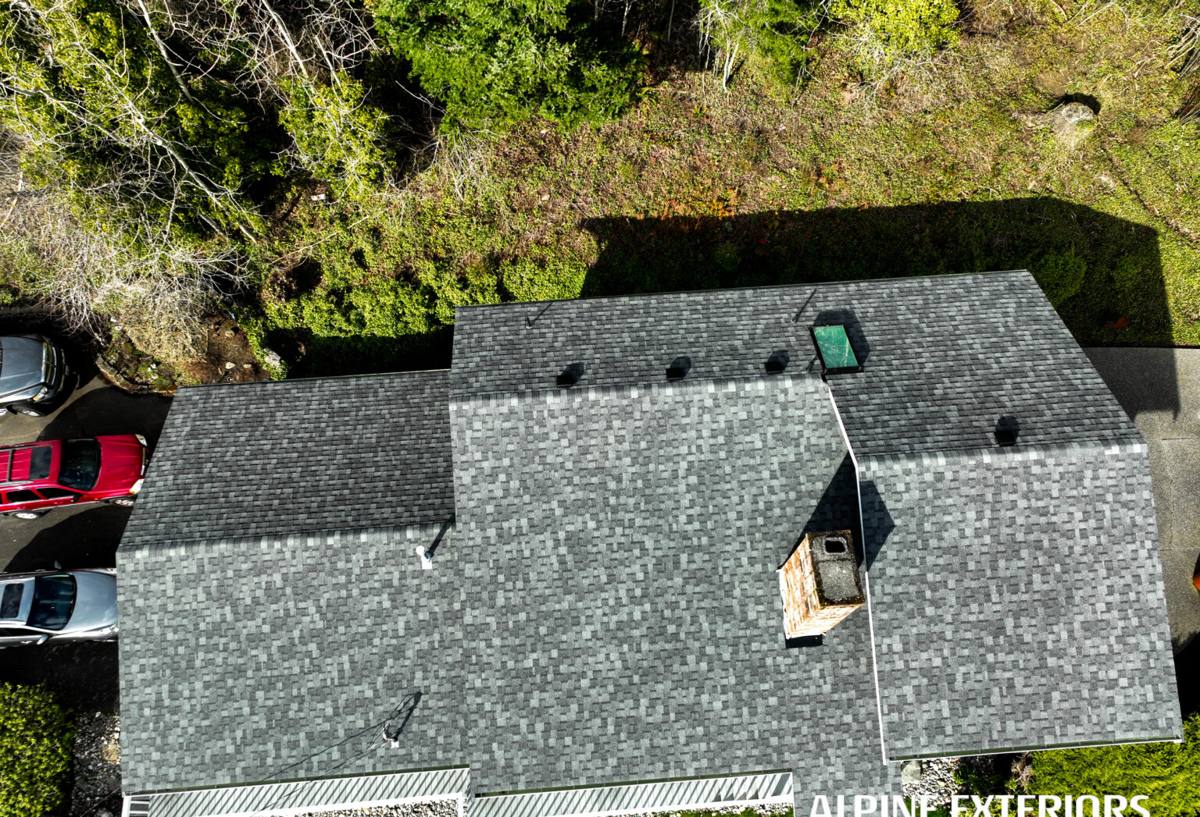
Why University District Roofs Wear the Way They Do
King County's climate is defined by long stretches of steady, driving rain rather than short heavy storms, and University District gets its share of that plus wind funneling off the water. A few things stand out about roofs in this specific area:
- Moss and organic growth: Shaded lots and consistent moisture mean moss and algae take hold fast, especially on north-facing slopes and anywhere tree limbs overhang the roofline.
- Salt-influenced air: Proximity to the lakes and the broader Sound exposes metal flashing, fasteners, and gutter hardware to slow corrosion if it isn't rated for it.
- Older housing stock: Many homes near the district were built decades ago and have been re-roofed at least once, sometimes with layers or repairs that didn't address the decking underneath.
- Density and access: Narrower lots, shared walls, and street parking near campus mean staging and disposal need to be planned before crews ever show up, not figured out on site.
None of this makes a University District roof harder to replace correctly — it just means the job has to account for moss-prone shade, corrosion-resistant hardware, and realistic site access from the start.
Moss Season Isn't a Side Issue
In much of the country, moss is cosmetic. In Seattle's climate, sustained moss growth holds moisture against the roofing material for months at a time. On older composition shingles, that moisture cycle accelerates granule loss and edge curling. On wood-based roofing, it can encourage rot in the substrate. A new roof needs to be installed with moss resistance and airflow in mind, not just replaced with the same setup that grew moss in the first place.
What a Correct Roof Replacement Involves
A roof replacement is more than stripping old material and nailing down new shingles. Done right, it addresses everything underneath and around the roofing surface — the parts that actually determine how long the roof lasts in a wet climate.
Tear-Off and Deck Inspection
Every layer of old roofing comes off down to the deck. This is the point where hidden damage shows up — soft spots, delaminated plywood, or old water staining from a leak that was never fully fixed. Any compromised decking gets replaced before anything new goes down. Skipping this step is the single most common shortcut in cheap roof jobs, and it's the one that causes the most expensive repairs later.
Underlayment Built for Sustained Rain
Seattle's rain pattern — long duration rather than short bursts — means underlayment matters more here than in drier climates. A synthetic, water-resistant underlayment gives the roof a real second line of defense if wind-driven rain gets under the surface material, which happens more often on exposed or higher-pitch sections.
Flashing and Fasteners Rated for Moisture and Salt Air
Flashing around chimneys, valleys, skylights, and wall intersections is where most leaks actually start, not in the open field of the roof. In a neighborhood with salt-influenced air, we use corrosion-resistant flashing and fasteners rather than standard-grade hardware that can start rusting within a handful of years.
Ventilation
Poor attic ventilation traps warm, moist air against the underside of the roof deck, which speeds up rot and can void material warranties. Ventilation gets checked and corrected as part of the replacement, not treated as a separate, optional upgrade.
Moss-Resistant Finish Choices
Many shingle and metal products now come with zinc or copper granule strips designed to inhibit moss and algae growth over time. On shaded University District lots, we typically recommend these over standard finishes — it's a small cost difference that meaningfully reduces how often the roof needs cleaning or treatment.
Our Roof Replacement Process
- On-site assessment: We walk the roof (or inspect via ladder and drone where pitch or access makes that safer) and check the attic from inside, noting deck condition, ventilation, flashing points, and moss/moisture patterns specific to your lot's shade and exposure.
- Written estimate: You get a clear breakdown of material options, labor, and any deck repair contingencies — no vague allowances that turn into surprise charges mid-job.
- Material selection: We walk through the trade-offs between shingle types, metal options, and underlayment upgrades based on your home's specific exposure, not a one-size answer.
- Permitting and scheduling: We handle the permit process and schedule around weather windows — in this climate, timing the tear-off to avoid leaving a deck exposed overnight is a real planning factor, not an afterthought.
- Staging and site protection: Given narrower lots and street parking common near the district, we plan dumpster placement, material staging, and landscaping protection before the crew arrives.
- Tear-off, deck repair, and install: Old material off, deck inspected and repaired as needed, underlayment and flashing installed, then the new roofing surface.
- Final walk-through: We review the finished roof with you, confirm gutters and flashing are tied in correctly, and go over any maintenance recommendations specific to your lot's shade and drainage.
Comparing Roofing Material Options for This Climate
| Material | Moss/Moisture Behavior | Maintenance | Typical Lifespan |
|---|---|---|---|
| Standard composition shingle | Prone to moss without treated granules; needs periodic cleaning in shaded areas | Moderate — moss removal recommended every few years | 20–25 years |
| Algae/moss-resistant shingle | Zinc or copper granules actively inhibit growth | Lower — less frequent cleaning needed | 25–30 years |
| Standing seam metal | Sheds moisture fast; minimal surface for moss to grip | Low — occasional gutter and fastener check | 40–50+ years |
| Cedar shake | High moisture sensitivity; needs consistent maintenance to prevent rot in this climate | High — regular treatment and inspection required | 20–30 years with upkeep |
None of these is universally "correct" — it depends on your budget, your home's style, and how much ongoing maintenance you want to take on. We'll give you an honest read on which makes sense for your specific roof rather than steering you toward whatever is easiest to install.
Signs a University District Roof Needs Replacing, Not Patching
- Granule loss heavy enough that you can see bare patches or find granules collecting in gutters
- Persistent moss coverage that comes back within months of cleaning
- Curling, cracked, or missing shingles on more than one slope
- Daylight visible through the roof deck from inside the attic
- Water staining on interior ceilings, especially near valleys or chimneys
- A roof original to a home built more than 20–25 years ago that hasn't been replaced
- Sagging rooflines, which usually point to deck or structural issues beyond surface repair
If you're only seeing one or two of these and they're localized, a repair may still make sense. We'll tell you that directly if that's what the inspection shows — we don't push a full replacement when a targeted fix will hold.
Repair vs. Replace: How We Help You Decide
Age, extent of damage, and how much of the roof is affected all factor in. A roof under 15 years old with an isolated leak is usually a repair. A roof past 20 years with widespread granule loss, multiple leak points, or deck damage found during inspection is usually past the point where patching makes financial sense — you'd be paying repeatedly for problems that keep resurfacing. We walk you through the actual condition we find, not a sales script, and let you make the call with real information.
Why a Crew That Works University District Specifically Matters
A roofer who mostly works drier, less shaded parts of the region can still do competent work, but they may not default to moss-resistant materials, corrosion-rated hardware, or the ventilation adjustments that matter most on a shaded, moisture-heavy lot. A crew that regularly works in and around University District already knows:
- Which slopes on a typical lot here tend to hold shade and moss longest
- How to stage a job on narrower streets with limited parking near campus
- What decking condition to expect on homes of a certain age in this part of Seattle
- How local permitting and inspection timelines typically run in King County
That familiarity shows up in fewer surprises mid-project and a roof that's built for the conditions it will actually face, not a generic install.
What Affects the Cost of a Roof Replacement Here
| Factor | Why It Matters |
|---|---|
| Roof size and pitch | More surface area and steeper slopes mean more material and labor time |
| Deck condition | Rotted or soft decking found during tear-off adds repair cost before new roofing goes on |
| Material choice | Standard shingles, moss-resistant shingles, and metal carry different upfront costs and lifespans |
| Number of penetrations | Chimneys, skylights, and vents each need flashing work, adding labor |
| Site access | Narrow lots or limited staging space near campus can affect crew efficiency |
| Existing layers | Tear-off of multiple old roofing layers takes more time and disposal cost than a single layer |
We won't quote a number without seeing the roof — anyone who does is guessing. What we can tell you is that the estimate you get from us breaks these factors out clearly, so you understand what's driving the cost rather than getting a flat number with no explanation.
Maintaining a New Roof in This Climate
A new roof still needs periodic attention in a climate like Seattle's. Keep gutters clear so water isn't backing up under the roof edge. Trim back tree limbs that shade the roof and drop debris. Have moss growth addressed early, before it spreads across a slope, rather than waiting until it's established. A quick annual look — either your own or a professional check — catches small issues while they're still small.
If your University District roof is showing its age or you're just not sure whether it needs repair or replacement, we're glad to take a look and give you a straight answer. Use the form below to request a free, no-pressure estimate.