 Seattle Siding
 Ballard's Climate Is Hard on the Wrong Siding
Ballard sits close to Puget Sound, and that proximity to the water shapes what happens to a house's exterior over time. Salt-laden air moves through the neighborhood, driving rain comes in sideways off the Sound during winter storms, and the combination of shade, moisture, and mild temperatures keeps moss and mildew active for most of the year. A siding product that isn't built for this exact combination will show it — chalking, swelling, soft spots, or a green tint creeping up from the ground line.
None of that is unusual for Seattle housing stock. It's just the reality of building this close to saltwater in a marine climate. The question isn't whether your siding will get tested by the weather here — it will, every winter — it's whether the product and the installation were designed to handle it.
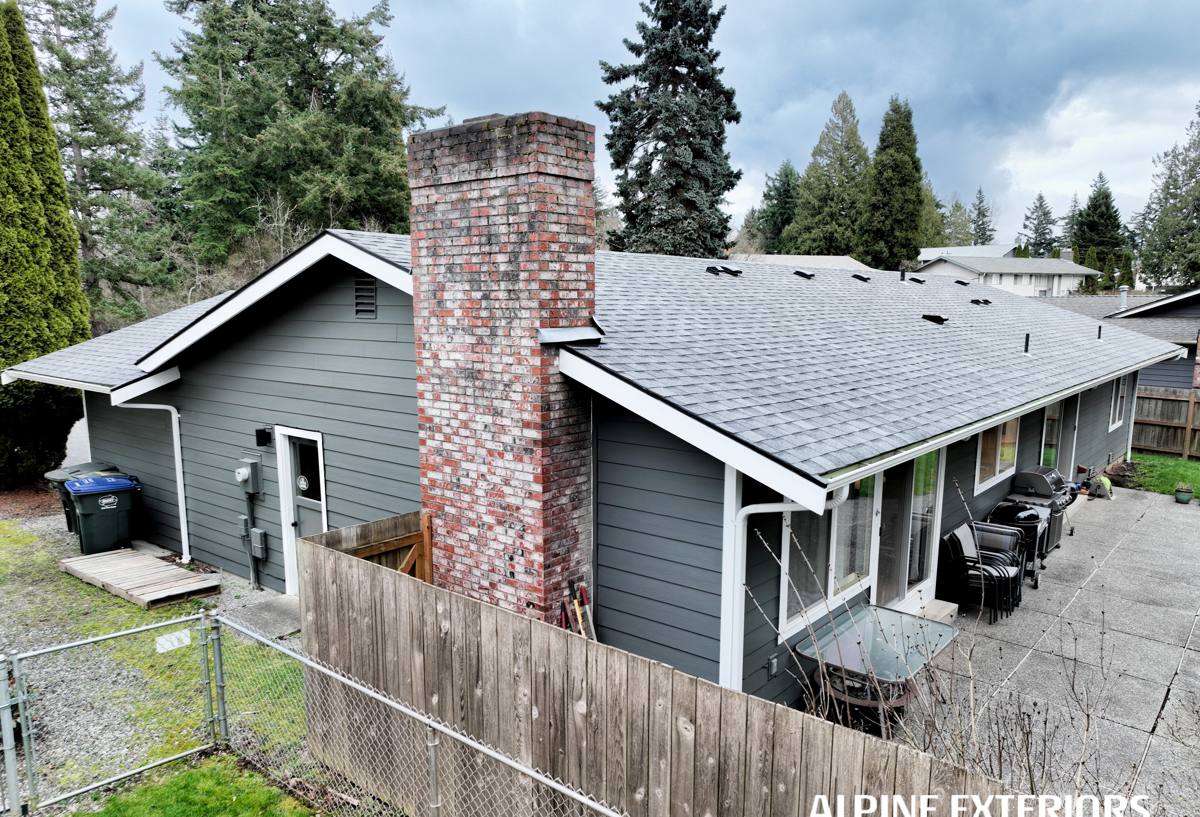
What Correct Fiber Cement Installation Requires in This Climate
Fiber cement is a strong, stable material, but it only performs as advertised when it's installed correctly for the local conditions. In Ballard, that means paying close attention to a few details that get skipped on a lot of quick jobs.
A Real Drainage Plane and Rainscreen Gap
Any wall assembly in a wet, marine climate needs a way for incidental moisture to drain and for the wall to dry out between storms. That means a proper weather-resistive barrier behind the siding and, ideally, a rainscreen gap that lets bulk water drain and air circulate. Nail fiber cement flat against damp sheathing with no drainage path, and you're setting up the exact conditions that cause rot and paint failure down the road — regardless of how good the siding itself is.
Flashing and Sealant Details
Windows, doors, deck ledgers, and roof-to-wall transitions are where water finds its way in. Correct step flashing, head flashing, and kick-out flashing at rooflines matter more here than in a drier climate, because Ballard gets enough sustained rain each winter that any gap gets tested repeatedly. Sealant is a backup to good flashing, not a substitute for it.
Factory Finish vs. Field-Painted Siding
James Hardie's ColorPlus finish is baked on at the factory under controlled conditions, which gives it better adhesion and UV resistance than siding painted on-site after installation. In a climate with this much year-round moisture and shade, a factory finish holds its color and resists moss growth on the surface noticeably longer than field-applied paint, which is more prone to early flaking at cut edges and fastener heads if those aren't sealed correctly during install.
Why We Install Only James Hardie Fiber Cement
We standardized on James Hardie products years ago and we don't install vinyl, LP SmartSide, or other fiber cement brands. That's not a marketing position — it's a decision based on what holds up under repeated installs in Western Washington conditions. Hardie's fiber cement is non-combustible, dimensionally stable in wet-dry cycles, and backed by a strong transferable warranty when installed to their specifications. Sticking to one manufacturer also means our crews know the product cold — the fastening patterns, the clearances, the caulking points — instead of switching systems from job to job and picking up bad habits from each one.
Matching Ballard's Housing Stock
Ballard has a mix of older craftsman-style and bungalow homes alongside newer infill construction and remodels, and the siding choice needs to fit the house. James Hardie's product lines cover that range:
- HardiePlank lap siding — the standard horizontal look found on most traditional homes in the area, available in several exposure widths and textures.
- HardieShingle — a straight-edge or staggered shingle profile that suits craftsman and bungalow detailing without the maintenance of real wood shingles.
- HardiePanel — vertical panel siding often used for accent walls, gables, or a more modern look on newer builds.
- HardieTrim — matching trim boards for corners, fascia, and window surrounds so the whole exterior reads as one system.
For a neighborhood with this much architectural variety, matching the existing roofline, trim profile, and window detailing matters just as much as the siding material itself.
The HZ5 Climate Engineering Advantage
James Hardie engineers its siding in different formulations for different climate zones, sold as HZ5 and HZ10 products depending on region. For the Pacific Northwest's wet, moderate climate, the formulation is built to resist moisture absorption and hold paint adhesion through repeated freeze-light and wet-dry cycles rather than the intense heat or hard freezes seen elsewhere in the country. That's part of why we specify the correct regional product line rather than treating fiber cement as one generic material — the version installed matters as much as the brand.
Our Installation Process for Ballard Homes
- On-site assessment — we look at the existing siding, sheathing condition, moisture staining, and any trouble spots around windows, decks, and rooflines before quoting anything.
- Tear-off and sheathing check — old siding comes off and we inspect the sheathing underneath for soft spots or hidden rot before anything new goes up.
- Weather barrier and drainage plane — a new weather-resistive barrier goes down, with a rainscreen gap where the wall assembly calls for it.
- Flashing at every penetration — windows, doors, and roof intersections get flashed correctly before siding installation starts.
- Siding installation to Hardie spec — correct fastener type, spacing, and clearances from grade, decks, and rooflines, following the HZ5 requirements for this region.
- Trim, caulking, and touch-up — factory-finished cut edges get sealed per manufacturer instructions, and touch-up paint is matched to the ColorPlus finish.
- Final walkthrough — we go over the finished job with you before calling it done.
Cost Factors for a Ballard Fiber Cement Project
Every house is different, but the same handful of factors drive most of the price variation we see on Ballard jobs:
| Factor | Why It Matters |
|---|---|
| Tear-off condition | Rotten sheathing or hidden moisture damage found during tear-off adds repair work before new siding can go on. |
| Home size and stories | More square footage and multi-story walls mean more material, more staging, and more labor time. |
| Siding profile chosen | Lap, shingle, and panel products have different material and labor costs, and mixing profiles for architectural detail adds time. |
| Trim and detail complexity | Craftsman-style trim, multiple gables, and window surrounds take more precise cutting and fitting than a simple rectangular wall. |
| Site access | Narrow lots, tight side yards, and mature landscaping common in Ballard can slow staging and material handling. |
| Color and finish | Factory ColorPlus finishes come in standard and premium color options, which affects material pricing. |
Keeping Moss and Mildew Off Your New Siding
Even correctly installed fiber cement benefits from a little seasonal attention in a climate like this. A few habits go a long way toward keeping the surface clean and the finish looking good for years:
- Trim back shrubs, hedges, and tree limbs that keep siding shaded and damp for long stretches.
- Rinse siding with a garden hose once or twice a year to clear off pollen, dust, and early moss growth before it takes hold.
- Avoid pressure washing directly into seams, trim joints, or under lap edges — that can force water where it doesn't belong.
- Keep gutters clear so overflow doesn't run down the wall face and keep one section perpetually wet.
- Check caulking at trim and penetrations every year or two and have any cracked or missing sealant redone.
Why Hiring a Crew That Already Works in Ballard Matters
A lot of siding problems in this neighborhood trace back to installers who treat every job the same regardless of climate or house type. Working in and around Ballard regularly means we're used to the tight lots, the mature landscaping that has to be worked around carefully, and the mix of older framing methods found in this part of Seattle. It also means we're not guessing at how a house here will hold up — we've seen how correctly installed Hardie siding performs through several King County winters, and we build every job around that.
Permitting and inspection requirements can also vary by project scope, and knowing what the City of Seattle typically expects for a re-side or exterior remodel keeps a project moving instead of stalling out on paperwork.
Get a Straight Answer for Your Ballard Home
If your siding is showing moss, staining, soft spots, or paint failure, it's worth getting a clear, honest look at what's actually going on before deciding what to do next. We offer free, no-pressure estimates for Ballard homeowners — walk us through what you're seeing, and we'll tell you straight whether it's a repair, a partial re-side, or a full replacement, and what correct James Hardie installation would look like for your specific house. Use the form below to get started.