 Seattle Siding
 Fremont's Climate Is Harder on Siding Than It Looks
Fremont sits close to the water, close to mature tree canopy, and squarely in the path of the wet weather that defines a Seattle winter. That combination is tougher on exterior siding than most homeowners realize. Salt-tinged air drifting in off the Sound accelerates corrosion on fasteners and trim. Driving rain, pushed sideways by wind off the water, finds every gap in a wall system that wasn't flashed correctly the first time. And because so many lots here carry big, old trees, homes sit in shade for long stretches of the year — which means siding stays damp longer after every storm and moss gets a real foothold.
None of this is exotic. It's the same set of conditions siding contractors deal with across King County. But in Fremont specifically, the density of tree cover and the age of the housing stock make the difference between a siding job done to spec and one that wasn't obvious within five or six years, not twenty.
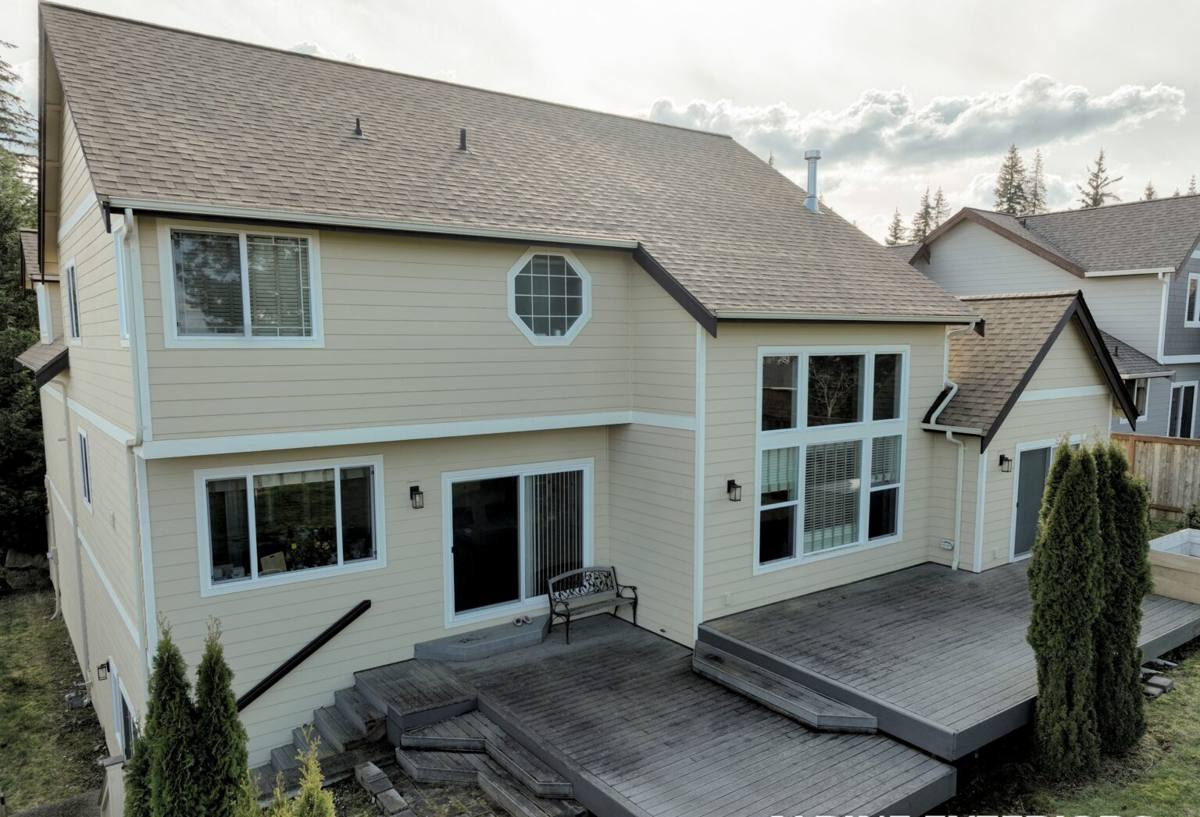
What Fremont's Housing Stock Means for a Siding Job
Fremont is a mix of early-1900s bungalows and Craftsman homes, mid-century infill, and newer construction on smaller lots. That mix matters when it comes to siding work. Many of the older homes still have their original wood siding, sometimes under several layers of paint that have been hiding slow moisture damage for years. Sheathing and framing on homes this age were built to a different standard than current code, and it's common to find rot, soft trim, or water staining once the old siding comes off — problems that were invisible from the street.
Newer homes aren't automatically in better shape. A lot of failures we see on installations less than 15-20 years old trace back to a missing or poorly detailed drainage gap, house wrap that was cut short around windows, or caulk used as a substitute for proper flashing. Fremont's rain load punishes those shortcuts faster than a drier climate would.
Signs Your Fremont Home Needs New Siding
- Paint that won't hold — bubbling, peeling, or needing repainting every 2-3 years
- Soft or spongy spots when you press on siding near the bottom edge or around windows
- Persistent moss or dark streaking that comes back within weeks of cleaning
- Visible warping, cupping, or gaps between boards
- Rising heating bills with no other explanation — often a sign moisture has degraded insulation behind the siding
- Cracked caulk lines at trim and corner boards that keep reopening
Why We Install Only James Hardie Fiber Cement
We install one siding system: James Hardie fiber cement. We made that decision because of what Fremont's climate does to alternatives over time, not because of marketing. Fiber cement is non-combustible, it doesn't absorb water the way wood does, and it won't support the moss and mildew growth the way a porous or organic material can when it's shaded most of the day. Hardie's ColorPlus factory finish is baked on under controlled conditions, which holds color and resists the peeling and fading that field-applied paint struggles with in a wet, low-sun climate.
Hardie also builds region-specific product lines engineered for exactly the conditions Western Washington sees — the HZ5 line is formulated for climates with sustained moisture exposure and freeze-thaw cycling, which is a closer match to a Fremont winter than a generic siding product. Paired with a transferable manufacturer warranty, it's the system we're comfortable standing behind on homes in this neighborhood.
What a Correct Installation Actually Involves
Fiber cement siding is only as good as the wall assembly behind it. The material itself rarely fails — installation shortcuts do. On every Fremont project, a correct install includes:
- A continuous water-resistive barrier lapped correctly, with no gaps at seams or penetrations
- A drainage gap (rainscreen) so any moisture that gets behind the siding can drain and dry instead of sitting against the sheathing
- Proper flashing at every window, door, and roof-to-wall intersection — not caulk used as a substitute
- Kick-out flashing where roof lines meet walls, directing water away from the siding instead of behind it
- Manufacturer-spec fastening — correct fastener type, spacing, and depth, since over-driven or under-driven nails are one of the most common causes of early failure
- Caulk used only where Hardie specifies it — at trim and penetrations, not as a general-purpose sealant for panel joints
Skip any one of these and the siding can look fine for a few years while moisture quietly builds up behind it. That's the failure mode we're guarding against on every job, not just matching a color to a house.
How Siding Materials Compare in Fremont's Conditions
| Material | How it handles rain & shade-driven moss | Long-term maintenance |
|---|---|---|
| James Hardie fiber cement | Non-combustible, doesn't absorb water like wood; factory finish resists moss staining | Occasional wash-down; repaint intervals are long since color is baked in |
| Cedar / wood siding | Absorbs moisture readily; shaded lots stay damp longer, encouraging rot and moss growth | Regular repainting or staining, plank replacement as boards fail |
| Vinyl siding | Sheds water but seams and edges can trap moisture; can warp under heat/cold swings | Low upkeep but limited repair options and shorter practical lifespan in wet climates |
| Engineered wood (LP-type) | Performance depends heavily on installation and moisture management; edge swelling is a known risk | Manufacturer maintenance requirements are stricter to preserve warranty coverage |
Our Installation Process
Every Fremont project follows the same sequence, whether it's a full tear-off on an older bungalow or new siding on a recent build:
- Inspection and moisture check — we look at trim, corners, and any area with a history of leaks before quoting anything
- Tear-off and sheathing assessment — old siding comes off and we check the sheathing underneath for rot or soft spots before covering anything back up
- Repairs — any damaged sheathing or framing gets replaced, not covered over
- Water-resistive barrier and flashing — installed to current best practice, including a drainage gap
- Hardie panel or plank installation — fastened and spaced to manufacturer specification
- Trim, caulk, and touch-up — finished with factory-matched color where possible
- Cleanup and walkthrough — site cleared and the work reviewed with the homeowner before we call it done
Working Around Fremont's Lots and Tree Cover
A lot of Fremont properties sit on narrower lots than newer Seattle neighborhoods, often with mature trees close to the house and limited space for staging material. That affects scheduling and setup more than it affects the finished product, but it's worth planning for — material access, ladder placement, and protecting landscaping during tear-off all take more coordination on a tight urban lot than on a wide suburban one. Crews who haven't worked this kind of lot before tend to underestimate the time this takes, which shows up as rushed corners later in the job.
Permitting through the City of Seattle is also a factor on many siding projects, particularly where siding replacement overlaps with structural repairs or window changes. Knowing what does and doesn't trigger a permit review in Seattle specifically — as opposed to unincorporated King County — saves time before the job even starts.
Why Local Experience in This Neighborhood Matters
Siding installation isn't identical from one part of the region to another. A crew that regularly works Fremont knows the common construction patterns in its older homes, recognizes the moisture and moss patterns tied to its tree-heavy lots, and has already worked through the local permitting process. That experience shows up in fewer surprises once the old siding comes off, and in a final result that's detailed correctly for what this specific climate and housing stock actually need — not a generic install dropped into a different neighborhood's conditions.
What Affects the Cost of a Fremont Siding Project
| Factor | Why it matters |
|---|---|
| Home size and wall complexity | More corners, gables, and dormers mean more cutting, trim, and labor time |
| Condition of the sheathing underneath | Hidden rot on older homes adds repair work before new siding can go on |
| Site access | Narrow lots and mature trees can slow material staging and require extra care around landscaping |
| Trim and detail level | Matching existing architectural trim on older Craftsman and bungalow homes takes more time than a simple lap-siding install |
| Window and door count | Each opening needs its own flashing detail, which adds time regardless of home size |
If your Fremont home's siding is showing its age, or you're planning ahead of a repaint you'd rather not have to redo in a few years, we're happy to take a look and walk you through what we're seeing — no pressure, no obligation. Reach out for a free estimate using the form below.