 Seattle Siding
 Deck Replacement Built for Wallingford's Older Homes
Wallingford is one of Seattle's older, more established neighborhoods, and that shows in the decks we get called out to look at. A lot of homes here are craftsman bungalows and early-20th-century houses that have had a deck added, rebuilt, or patched over the decades — sometimes by a previous owner, sometimes by a contractor working to a different code era. Mature trees are common on these lots, which is part of what gives the neighborhood its character, but that same tree cover keeps decks shaded and damp for long stretches of the year.
A deck in this kind of setting rarely fails because of one big problem. It fails from years of accumulated moisture, shade, and small deferred repairs that add up. Replacing it correctly means understanding not just decking materials, but how this specific climate and this kind of older housing stock interact with wood, fasteners, and framing over time.
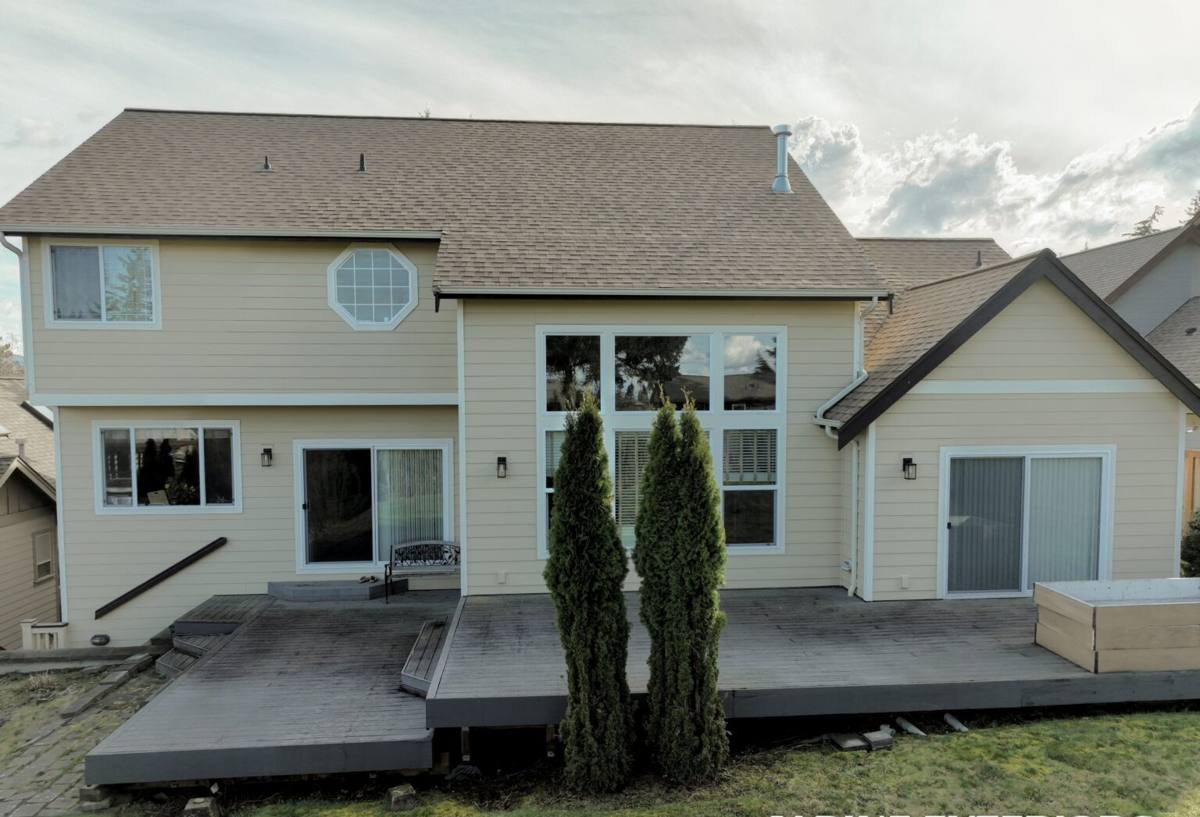
How Seattle's Climate Wears Down a Deck
King County's marine climate is hard on exterior wood structures in ways that aren't always obvious from the surface. Three factors do most of the damage locally: salt-tinged air off the Sound, long stretches of driving rain, and a moss season that can run most of the year on shaded lots.
Driving Rain and Standing Moisture
Seattle doesn't get the heaviest rainfall totals in the country, but it gets a lot of low-intensity, wind-driven rain over many months. That pattern is tough on decks because water gets pushed sideways into joints, under boards, and behind ledger flashing instead of simply falling straight down and running off. Wood that never fully dries out between storms is wood that's slowly rotting from the inside, even if the surface still looks fine.
Moss, Algae, and Shade
Shaded, tree-covered lots — common throughout Wallingford — hold moisture longer than open, sunny yards. Moss and algae take hold on decking boards, stair treads, and railings, and once established they hold even more water against the wood. Beyond being a slip hazard, that constant dampness accelerates rot at the exact spots where boards meet joists and where fasteners penetrate the wood.
Salt Air and Corrosion
Seattle's proximity to salt water means fasteners, hardware, and metal connectors take on corrosion faster than they would in a dry inland climate. Rusted screws, corroded joist hangers, and failing post bases are a recurring issue on older decks that were built with standard hardware instead of materials rated for coastal exposure.
Signs Your Deck Has Reached the End of Its Life
Not every deck problem means full replacement — but certain signs point to structural issues that repair alone won't fix. Before deciding between patch-up and replacement, walk your deck and check for these:
- Soft, spongy, or springy decking boards, especially near the house or at board ends
- Rust streaks or stains bleeding out from screws, bolts, or metal hardware
- Any separation or gap where the ledger board meets the house
- Wobble or movement in railings, posts, or stair stringers when you push on them
- Moss or algae that stays damp for days after rain instead of drying out
- Visible rot, splitting, or discoloration at post bases, joist ends, or beam connections
- A deck more than 20–25 years old that has never been rebuilt, only resurfaced
If you're seeing two or more of these, especially anything involving the ledger board or structural framing, it's worth having someone look at the whole structure rather than just the surface boards.
Choosing a Decking Material That Holds Up Here
Material choice matters more in a wet, shaded climate than it does in drier parts of the country. There's no single right answer for every home — it depends on budget, how much maintenance you're willing to do, and how much shade and moss exposure the deck actually gets.
| Material | Upfront Cost | Maintenance | Moisture & Moss Behavior | Typical Lifespan |
|---|---|---|---|---|
| Pressure-treated wood | Lowest | Annual cleaning, periodic re-staining/sealing | Prone to moss and staining if not sealed and cleaned regularly | 10–15 years before major rot issues |
| Cedar | Mid-range | Regular sealing to maintain color and resist moisture | Naturally more decay-resistant, but still needs upkeep in shade | 15–20 years with consistent maintenance |
| Composite (capped) | Highest | Occasional washing, no staining or sealing | Resists moisture absorption and moss staining much better than wood | 25–30+ years, backed by manufacturer warranty |
For heavily shaded, tree-covered lots — a common situation in Wallingford — capped composite is usually the lowest-maintenance long-term option, since it doesn't absorb moisture the way wood does and won't need re-sealing every year to fight moss staining. That said, plenty of homeowners still prefer the look and feel of real wood, and a well-built cedar or treated-wood deck can perform fine if it's maintained on schedule. The honest answer depends on how much upkeep you actually want to commit to.
What a Correct Deck Replacement Actually Involves
A deck is only as good as what's underneath it. Replacing the visible boards without addressing the structure underneath just resets the clock on the same problems.
Ledger Board and Flashing
The ledger board — where the deck attaches to the house — is the single most common source of water intrusion and structural failure on older decks. Proper flashing, installed correctly behind the siding and over the ledger, is what keeps rain from working its way into the house framing over time. This is also the detail most likely to have been done wrong or skipped entirely on older or DIY-built decks, and it's not something you can inspect from the surface.
Framing, Fasteners, and Hardware
Given the corrosion risk from salt air and constant moisture, we use fasteners and structural connectors rated for exterior and coastal exposure rather than standard hardware. Joist hangers, post bases, and structural screws all matter more here than they would in a dry climate — cutting corners on hardware is one of the most common reasons decks fail early.
Footings and Post Bases
Footings need to be sized and set to reach stable soil below the frost and moisture-affected layer, with post bases that keep wood posts elevated off wet concrete and soil contact. Poor drainage around footings is a frequent, hidden cause of post rot on older Seattle decks.
Permits and Code Compliance
Most attached, elevated decks in Seattle require a permit through the city's building department, with requirements covering guardrail height, stair rise and run, and structural attachment to the house. Low, ground-level decks may be exempt depending on size and height. Either way, building to current code isn't optional — it's what keeps the structure safe and keeps you covered if you ever sell the home.
Our Deck Replacement Process
We keep the process straightforward and try not to leave surprises for later:
- On-site inspection — we check the ledger, framing, footings, and posts, not just the surface boards, to find out what's actually failing.
- Material and design discussion — we walk through wood, cedar, and composite options based on your budget and how much maintenance you want to take on.
- Permitting — we handle the permit process where one is required, so the finished deck is built to current code.
- Tear-out and disposal — the old deck comes down and is hauled away, with structural framing checked once it's exposed.
- Framing and structural work — ledger flashing, footings, joists, and hardware are installed or upgraded to hold up in this climate.
- Decking, railing, and stairs — final surface materials go in with attention to drainage gaps and airflow underneath, which helps reduce moss buildup down the line.
- Final walkthrough — we go over the finished deck with you and make sure everything's inspected and signed off where required.
Why Hire a Crew That Already Works in Wallingford
A deck built for a dry inland climate and a deck built for a shaded, rain-heavy Seattle lot aren't the same project, even if they look similar when finished. A crew that already works in this neighborhood knows the local permitting process, has seen how these older homes were originally framed, and understands which lots hold moss and moisture longer because of tree cover and shade patterns typical of Wallingford and the surrounding King County area. That familiarity means fewer surprises during tear-out, fewer change orders mid-project, and a deck that's built with this specific climate in mind from the start rather than as an afterthought.
If your deck is showing signs of age or you're just not sure whether it needs a repair or a full rebuild, we're happy to take a look. Reach out for a free, no-pressure estimate using the form below.