 Seattle Siding
 Roof Repair Built for Fremont's Weather, Not a Generic Climate
Fremont's mix of century-old bungalows, craftsman homes, and newer infill construction all share one thing in common: a roof that has to survive Seattle's wet, gray stretch of the year, month after month, for decades. This isn't a place where a roof just needs to shed the occasional storm. It's a place where a roof sits under near-constant moisture for weeks at a time, gets shaded by mature trees on many of the neighborhood's older streets, and deals with the salty, damp air that moves through the Puget Sound region. That combination wears on roofing materials differently than it does in a drier climate, and repairs done without accounting for it tend to fail again within a year or two.
We work on roofs across Seattle and King County, and Fremont's older housing stock in particular tends to show the same handful of problems over and over. Knowing what those problems actually are — and what causes them — is the difference between a repair that lasts and one that's just a patch.
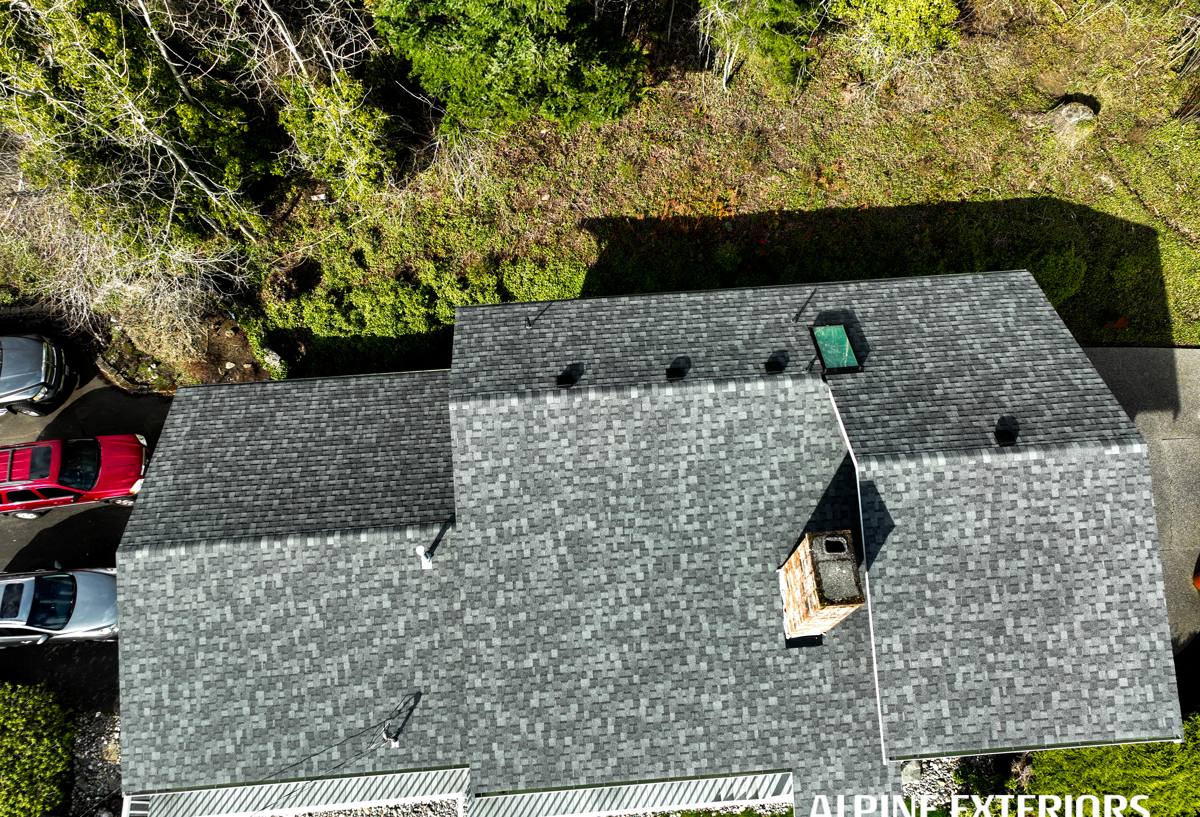
Why Fremont Roofs Take a Beating
Driving Rain and Standing Moisture
Seattle doesn't get the heaviest rainfall totals in the country, but it gets rain often, and much of it comes in sideways during windier stretches off the Sound. That driving rain finds every weak point in flashing, every gap around a vent pipe, and every spot where shingles or roofing material have started to lift. On a lot of Fremont's older homes, roof penetrations were sealed decades ago with materials that have simply reached the end of their service life, and constant moisture exposure accelerates that failure.
Moss and Organic Growth
Seattle's moss season runs long — realistically most of the fall through spring — and it's worse on roofs that sit under tree cover, which describes a good share of Fremont's tree-lined residential blocks. Moss doesn't just look bad. It holds moisture against the roofing surface, works its way under shingle edges, and can lift material enough to let water underneath. Left untreated, a mossy roof section ages faster than a clean one, sometimes by years.
Salt Air and Metal Corrosion
Homes closer to the water in the greater Seattle area deal with salt-laden air that accelerates corrosion on exposed metal — flashing, fasteners, gutter hardware, and vent caps. Even where the effect is subtle, it adds up over the life of a roof, and it's one more reason we don't treat every roof repair as a one-size-fits-all job.
Common Roof Repair Issues We See in Fremont
- Cracked or lifted flashing around chimneys, skylights, and roof-to-wall transitions
- Moss buildup along shaded, north-facing roof slopes
- Granule loss and brittle shingles on older composition roofs
- Clogged or sagging gutters contributing to water backing up under the roof edge
- Soft spots or staining in attic sheathing from slow, long-term leaks
- Nail pops and minor wind damage after storm events
- Deteriorated pipe boots and vent seals
Most of these start small. A homeowner might notice a stain on a ceiling, a shingle in the yard after a windstorm, or moss creeping up from the eaves. By the time any of that is visible from inside the house, water has usually been getting in for a while.
What a Correct Roof Repair Actually Involves
A roof repair that holds up in this climate isn't just about swapping a shingle or caulking a gap. It requires finding the actual source of the problem, which is often not where the leak shows up inside the house — water travels along rafters and sheathing before it drips through a ceiling.
Diagnosis Before Anything Else
We start by tracing the leak or damage back to its source, checking flashing, seals, and the surrounding roofing material rather than just the spot where water is visible indoors. On a moss-covered section, we also assess how much of the roofing material underneath has been affected, since moss can mask deterioration that isn't obvious at a glance.
Proper Flashing and Sealing
Flashing failure is one of the most common causes of leaks we find, and it's also one of the most commonly rushed repairs in the industry. Flashing needs to be integrated correctly with the roofing material layers, not just caulked over the top, or it will fail again the first time driving rain hits it at the wrong angle.
Matching Materials, Not Just Patching
Where shingles or roofing sections need to be replaced, we match the existing material as closely as possible so the repair blends in and performs consistently with the surrounding roof, rather than creating a new weak seam.
Moss Treatment and Prevention
On roofs with active moss growth, a repair that ignores the moss is a temporary fix. We remove growth carefully to avoid damaging shingles in the process, then address the conditions that let it come back — often a combination of shade, debris buildup, and poor drainage.
Repair vs. Replacement: What Actually Determines the Right Call
Not every damaged roof needs full replacement, and not every leak can be fixed with a patch. The honest answer depends on a few factors we walk through with every Fremont homeowner before recommending anything.
| Factor | Leans Toward Repair | Leans Toward Replacement |
|---|---|---|
| Roof age | Under 15-20 years, depending on material | Near or past expected service life |
| Extent of damage | Localized to one section or penetration | Widespread across multiple slopes |
| Moss and moisture history | Recent onset, sheathing still sound | Long-term moss with soft or rotted sheathing |
| Underlying material condition | Granules and material intact elsewhere | Brittle, curling, or widespread granule loss |
| Number of past repairs | First or second repair on this roof | Repeated patch jobs in the same areas |
We won't recommend a full replacement when a properly done repair will genuinely hold, and we won't sell a patch on a roof that's clearly past the point where repairs make financial sense. If a roof is borderline, we'll say so and explain the trade-offs rather than pushing toward the bigger job.
Our Process for Fremont Homeowners
- Inspection: We get on the roof (not just a look from the ground) to check flashing, moss coverage, gutter condition, and the roofing material itself.
- Diagnosis and honest options: We explain what's actually causing the issue and walk through repair versus replacement if it's a close call.
- Written estimate: A clear scope of work and price before anything starts, no surprise add-ons mid-job.
- The repair itself: Proper flashing integration, matched materials, and moss removal where needed, done to hold up through a full Seattle wet season, not just until the next inspection.
- Cleanup and check-in: Debris and old material hauled off, and a final walkthrough so you know exactly what was done and why.
Materials and Methods We Use
We use roofing materials and flashing components chosen for how they hold up under sustained moisture and moss exposure, not just for upfront cost. That means proper underlayment at repair transitions, corrosion-resistant fasteners and flashing where salt air exposure is a factor, and sealing methods designed to flex rather than crack as the roof expands and contracts through Seattle's temperature swings. We're straightforward about trade-offs between material options — some hold up better against moss and moisture but require more careful installation, and we'd rather explain that upfront than have a homeowner find out the hard way after a cheaper repair fails.
Why a Crew That Already Works Fremont Matters
Roofing in Seattle isn't the same job as roofing in a dry climate, and a crew that mostly works elsewhere in King County or beyond doesn't always account for how much moss, shade, and moisture cycling matter here. A crew that regularly works in and around Fremont has a working sense of the neighborhood's housing stock — the pitch and construction common on its older homes, the roofing materials typically used, and how quickly moss and moisture problems tend to develop given the tree cover on many blocks.
That familiarity also matters for permitting and code requirements specific to Seattle and King County, and for knowing what a realistic timeline looks like around the region's weather windows. Scheduling a roof repair between rain systems takes local knowledge — you don't want a flashing repair rushed or a moss treatment applied right before a multi-day soak.
Homeowner Maintenance Checklist
Between professional inspections, there's a fair amount a homeowner can do to catch problems early and slow down moss growth:
- Clear gutters and downspouts at least twice a year, more often under heavy tree cover
- Look for moss or dark streaking on shaded roof slopes each fall
- Trim back overhanging branches to reduce shade and debris buildup on the roof
- Check the attic periodically for damp insulation, staining, or musty odors
- After any significant windstorm, do a visual check from the ground for missing or lifted shingles
- Schedule a professional roof inspection every two to three years, or sooner if the roof is older
None of this replaces a proper inspection, but staying on top of these basics can catch small issues before they turn into a bigger repair.
Get a Straightforward Look at Your Fremont Roof
If you're dealing with a leak, noticeable moss, or just want an honest read on where your roof stands after another Seattle wet season, we're happy to take a look. The estimate is free, there's no pressure to book anything on the spot, and you'll get a clear explanation of what we find and what it would take to fix it. Use the form below to get started.