 Seattle Siding
 Storm Damage Roofing in Fremont
Fremont sits close to the water, tucked between the Ship Canal and the hills that catch weather rolling in off Puget Sound. That location is part of what makes the neighborhood great to live in, and it's also why roofs here take a specific kind of beating. Wind funnels through the canal corridor during winter storms, salt-laden air drifts up from the water, and the long stretch of gray, wet months between fall and spring gives moss and moisture more time to work into a roof than almost anywhere in the country. When a storm rolls through and knocks something loose, catching it early and fixing it correctly matters more here than in drier climates, because a small opening doesn't stay small for long under Seattle rain.
This page covers what storm damage roof repair actually involves for a Fremont home, what we look for, and how we approach the work so it holds up through the next storm season instead of just patching over a problem.
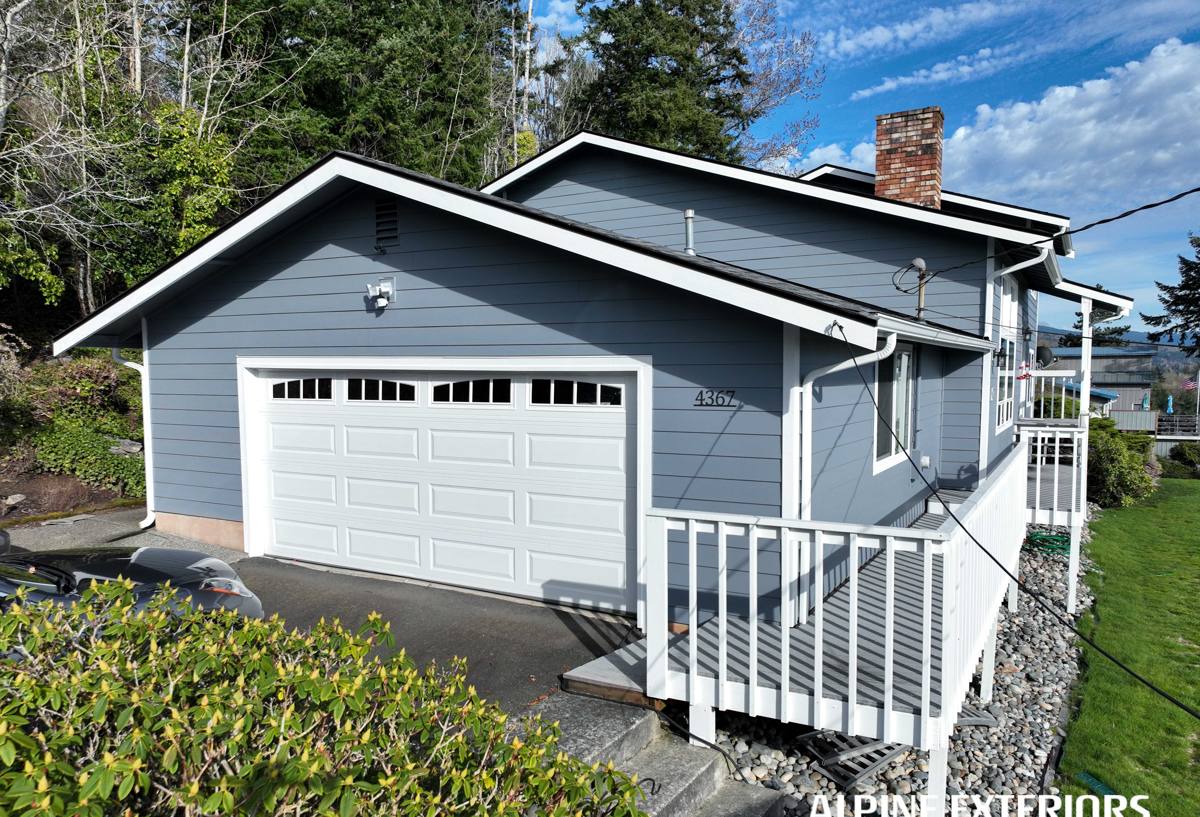
What Storm Damage Actually Looks Like
Most homeowners picture storm damage as a missing shingle or a visible hole, but a lot of the damage that matters is quieter than that. After a windstorm or a heavy rain event, we typically find one or more of the following:
- Shingles or shakes lifted, cracked, or blown off entirely, especially along ridges and edges where wind uplift is strongest
- Flashing pulled loose or bent around chimneys, skylights, and roof-to-wall transitions
- Granule loss on asphalt shingles from wind-driven rain and debris impact
- Gutters pulled away from fascia boards, which redirects water back under the roof edge
- Small punctures or bruising from branches or wind-blown debris, common with the mature trees around Fremont's older residential blocks
- Water staining or soft spots in the attic or ceiling that show up days or weeks after the storm, once moisture has had time to travel
That last category is the one that costs homeowners the most, because it's invisible from the ground. A storm can compromise a seal or lift a shingle just enough to let water in without leaving anything obvious to see from the street.
Why the Local Climate Changes the Job
Salt Air and Driving Rain
Proximity to the water means metal components — flashing, fasteners, gutter hardware — are exposed to salt-laden moisture more consistently than roofs further inland. That accelerates corrosion on lower-grade materials and makes fastener choice and flashing detail work more important, not less. Driving rain, the kind that comes in sideways during a real Puget Sound storm, also tests horizontal laps and side-wall flashing in ways a light vertical rain never will. A repair that looks fine on a calm day can still leak the next time wind pushes water uphill under a shingle edge.
The Long Moss Season
Seattle's wet season stretches long, and shaded, north-facing roof slopes in tree-heavy neighborhoods like Fremont barely get a chance to dry out between fall and late spring. Moss and algae take hold on that consistent moisture, and once established, moss holds water against the roofing material and lifts shingle edges — which is exactly the kind of vulnerability a storm exploits. Any proper storm repair on a Fremont roof needs to account for existing moss growth, not just patch around it.
What a Correct Storm Repair Involves
Inspection Before Anything Else
We start on the roof, not on an assumption. That means physically checking the damaged area and the surrounding field of the roof, since storm damage rarely stays contained to one spot. We also check the attic from the inside when access allows, because interior staining tells us how far water has already traveled and whether there's hidden rot in decking or framing that needs to be addressed before any new roofing goes down.
Matching the Repair to the Roof
A repair only holds if the materials and technique match what's already there. That means sourcing shingles, shakes, or flashing profiles that are compatible in material and, where possible, appearance with the existing roof, and integrating new flashing correctly at every transition point rather than just caulking over a gap. Caulk is a stopgap, not a repair — it fails faster than proper flashing and hides a problem instead of solving it.
Addressing the Root Cause
If moss contributed to the failure, we address the moss and the drainage path, not just the hole it created. If a gutter pulled loose and let water back under the edge, we re-secure the gutter as part of the repair, not as a separate afterthought. Storm repair that only replaces the visibly broken piece and ignores why it broke tends to fail again in the next comparable storm.
Our Process
- Assessment — We inspect the roof and, where possible, the attic, and document what we find with photos before any work begins.
- Honest scope — We tell you plainly whether this is a targeted repair or whether the damage points to a larger issue worth knowing about, like widespread wear that a storm simply exposed.
- Written estimate — You get a clear scope and price before we start, with no vague allowances.
- Repair — We complete the work with materials matched to your existing roof and proper flashing detail at every transition.
- Walkthrough — We review the completed repair with you so you know exactly what was done and why.
If your insurance carrier is involved, we can provide documentation of the damage and the repair scope to support your claim. We work for you, not for the insurance company, and we won't inflate a scope to chase a bigger payout.
Repair vs. Replacement: What Drives the Decision
Not every storm-damaged roof needs full replacement, and not every roof that looks fine after a storm is actually fine. The honest answer depends on a handful of factors:
| Factor | Leans Toward Repair | Leans Toward Replacement |
|---|---|---|
| Age of roof | Under 10–12 years, otherwise sound | Nearing or past expected service life |
| Extent of damage | Isolated to one area or slope | Widespread across multiple sections |
| Decking condition | Solid, no rot found | Soft spots or rot found during inspection |
| Moss/algae history | Minor, treatable | Long-term growth that's already degraded material |
| Underlying materials | Still in good general condition | Already brittle, cracked, or failing elsewhere |
We'll tell you honestly which side of that table your roof falls on, and we won't push replacement on a roof that just needs a proper repair.
What to Do Right After a Storm
What you do in the first day or two after a storm can make a real difference in how much damage you end up with. A quick checklist:
- Check the attic and ceilings for new staining, drips, or musty smells, especially after heavy wind-driven rain
- Look at the ground and gutters for shingle granules, broken shake pieces, or torn flashing that fell off the roof
- Note any visibly lifted or missing shingles from ground level, but don't get on the roof yourself, especially in wet conditions
- Photograph anything you can see for your own records, useful for insurance regardless of who ends up doing the repair
- Get a professional inspection promptly rather than waiting to see if a small leak gets worse — in this climate, it usually does
- Avoid tarping or DIY patches that trap moisture against the roof deck; a temporary fix done wrong can create a worse problem than the storm did
Why a Fremont-Familiar Crew Matters
Storm damage repair isn't a generic task you can do the same way in every climate. A crew that regularly works Fremont and the surrounding Seattle neighborhoods already understands the roof slopes, tree cover, and moisture patterns typical of this part of King County, and shows up knowing what to check for beyond the obvious hole. That familiarity also means faster response — when a storm hits a neighborhood we already work in, we're not starting from zero on travel time or local permitting knowledge if the repair requires it.
We also stand behind the work with a clear warranty on materials and labor, so a repair we complete isn't something you have to worry about again the next time a storm comes through.
Get a Straight Assessment
If a recent storm left your Fremont roof with visible damage, a leak, or just something that doesn't look right, we're glad to take a look. We'll give you a straight, no-pressure assessment of what's actually going on and what it would take to fix it correctly. Use the form below to request a free estimate.